|
 |
 | | | | | | |||||||||||||||||||||||||||||||||||||||||||||||||||||||||||||||||||||||||||||||||||||||||||||||||||||||||||||||||||||||||||||||||||||||||||||||||||||||||||||||||||||||||||||||||||||||||||||||||||||||||||||||||||||||||||||
| | | You are in: Africa | |||||||||||||||||||||||||||||||||||||||||||||||||||||||||||||||||||||||||||||||||||||||||||||||||||||||||||||||||||||||||||||||||||||||||||||||||||||||||||||||||||||||||||||||||||||||||||||||||||||||||||||||||||||||||||||||
|
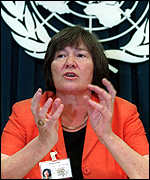
| | Tuesday, 12 November, 2002, 12:22 GMT Ethiopian famine 'will be averted' 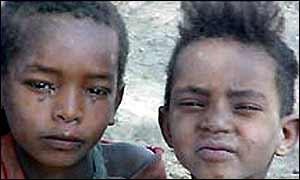 Some Ethiopians are resigned to dying from hunger The international community will prevent mass starvation in Ethiopia and the situation is not as serious as the situation during the 1984 famine, Britain's minister for international development has said. On Monday, Ethiopian Prime Minister Meles Zenawi warned that his country faces a famine worse than that of 1984 which killed nearly one million people and sparked a big international relief effort.
A similar number of people - up to 15 million - are affected in each region. She also said that the Zimbabwe Government was making the situation worse. The European Union and the United States have accused Zimbabwe of diverting food aid to supporters of President Robert Mugabe - an accusation his government has denied. 'Nightmare' Prime Minister Meles Zenawi told the BBC that some six million people already needed food aid and the number facing starvation could more than double in the new year if international donors did not come to the country's aid. Mr Meles said it was "like living through a recurring nightmare".
Ms Short told the BBC that about four million Ethiopians needed food aid every year. "This is a well organised country that is used to handling food aid," she said. But she pointed out that the only long-term solution to Ethiopian food shortages was to raise living standards. "We will manage internationally to bring in the food needed, but Ethiopia will never be safe until we get its economy developed," she said. Skeletal Mr Meles said he feared that people in developed countries might be lulled into thinking that the drought was a manageable problem because there were no pictures on TV screens of skeletal figures as there were in the 1980s. Ethiopia still lacked the facilities to conserve rainwater, Mr Meles added.
During a visit to the village of Dir Fakar, 200 kilometres south of the capital Addis Ababa, BBC Today programme correspondent Mike Thomson saw vital watering holes reduced to dustbowls surrounded by fields of failed crops. Some local people are already resigned to death from starvation, our correspondent says. Georgia Shaver, the World Food Programme's director in Ethiopia, says that while up to 14 million people need food aid across six countries in southern Africa, "in Ethiopia we could have the same number in just one country". | |
See also:  11 Nov 02 | Africa 01 Oct 02 | Africa 06 Aug 02 | Africa 11 Jun 01 | Africa 05 Apr 00 | UK 05 Nov 02 | Africa Internet links: The BBC is not responsible for the content of external internet sites Top Africa stories now: Links to more Africa stories are at the foot of the page. | |||||||||||||||||||||||||||||||||||||||||||||||||||||||||||||||||||||||||||||||||||||||||||||||||||||||||||||||||||||||||||||||||||||||||||||||||||||||||||||||||||||||||||||||||||||||||||||||||||||||||||||||||||||||||||||
| |
|  E-mail this story to a friend E-mail this story to a friend |
| |
| Links to more Africa stories |
| | | ||
 | ||||
 | | Back to top
| ||
| ---------------------------------------------------------------------------------- To BBC Sport>> | To BBC Weather>> | To BBC World Service>> ---------------------------------------------------------------------------------- © MMIII | News Sources | Privacy |