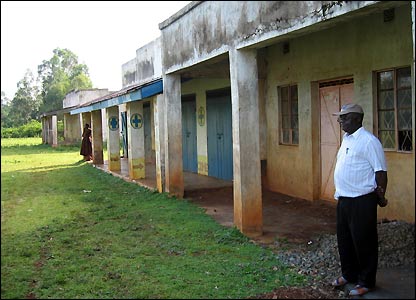
Sauri was a village in crisis, with massive malnutrition, high rates of child mortality, and widespread malaria and Aids. Its crop yields were low or non-existent, and the village clinic had closed because no one could afford the doctor fees or medicines.
What the village did have to offer was a strong community of 5,200 inhabitants eager to improve their own lives. Before the project was mooted, villagers had already established committees on health, water and energy, but they lacked resources and technical help.


 One-Minute World News
  News services