Is it winter yet?

- Published
The weather has been very confusing lately with a spell of chilly conditions followed by much milder ones.
In November the UK recorded both the coldest November nights for 15 years as well as the warmest on record so it is reasonable to wonder if winter has actually started.
The view of the BBC Weather team is that winter starts on 1 December in line with the meteorological calendar.
However, the answer is not that straightforward as there is another school of thought that says it doesn't begin until the winter solstice which is on 21 December in 2025.
Meteorological or winter solstice?
There are two common ways to define the start of our seasons in the UK - meteorological and astronomical.
BBC Weather follows the meteorological calendar, where winter always begins on 1 December and ends on the last day of February.
Meteorologists use fixed three month periods for each season, which makes year-on-year comparisons between them easier.
Astronomical winter starts on the 21 December, known as the winter solstice and is the shortest day of the year. The season then runs until the vernal or spring equinox which in 2026 is Friday 20 March.
What makes winter winter?
We define winter as the three coldest months - December, January and February - and when we look at a list of record low temperatures from across the UK we can see why.

But the UK does not often experience prolonged very cold weather, and some winters can be so mild that it feels as if we skipped the season all together.
In February 2019 England and Wales saw an exceptional spell of warmth, with temperatures rising above 20C on more than one occasion.
The winter when it snowed for 36 hours
- Published8 January 2018
What impact is climate change having on winter?

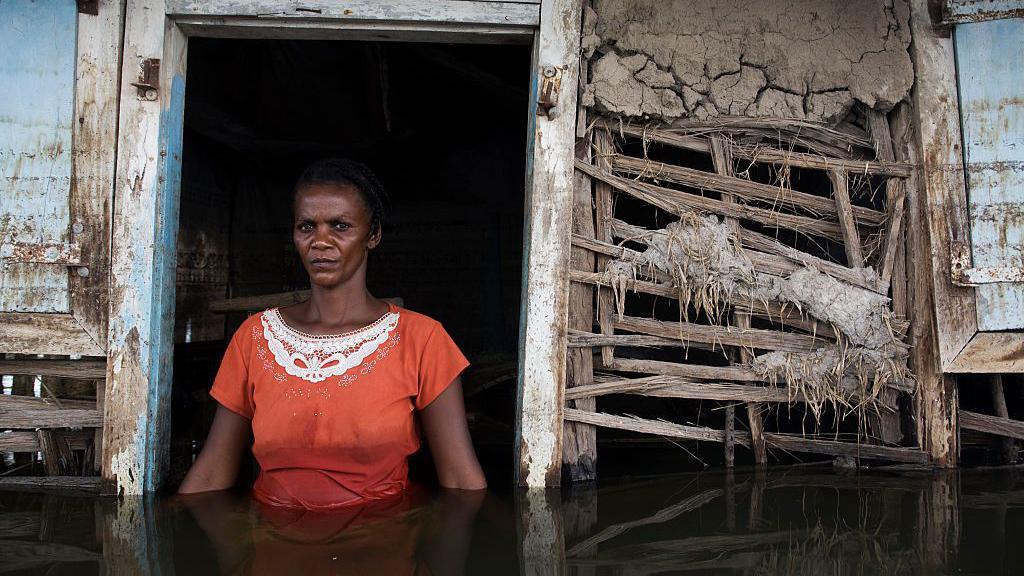
Flooding in Martock, Somerset, December 2023
UK winters are becoming warmer and wetter due to human-driven climate change. Long term data shows rising average temperatures and fewer cold weather extremes.
With global temperatures continuing to rise UK winters are now about 1C warmer than a century ago. The decade 2015–2024 has been 1.24C warmer than the 1961–1990 average. Indeed, six of the ten warmest UK winters on record have occurred since 2000.
Globally 2023 was the warmest year on record where most days in December broke temperature records.
Air and ground frosts have fallen by around 25% since the 1980s, and snow days are becoming increasingly rare across the UK.
A warming world means we are more likely to see winter precipitation fall as rain rather than snow, external.
However, even in a warming climate the UK can still experience spells of extreme cold. In 2018 the infamous Beast from the East brought severe wintry conditions to many parts of Europe leading to significant disruption, and its impact lingered well into meteorological spring.
- Published30 December 2025
- Published14 January