The summer holiday is a valuable time for children to play and relax while also preparing for school, building the confidence and readiness they need to start their learning journey with a positive attitude.
Child psychologist Laverne Antrobus gives her top tips for preparing children emotionally and psychologically for starting primary school this summer.
1. Get talking
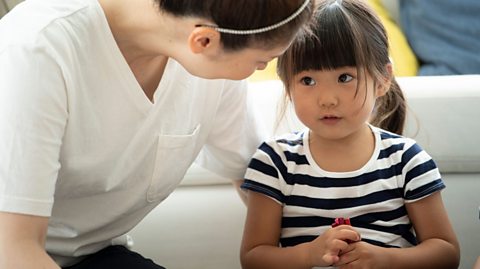
Start talking about school. Being able to visualise what school will actually be like is a good place to start.
Lots of schools offer a pre-visit, so it’s great idea to take your child on a pre-visit and then talk afterwards with your child about the visit to encourage them to remember what the teacher said.
It will give them a good sense of what might happen on their first day.
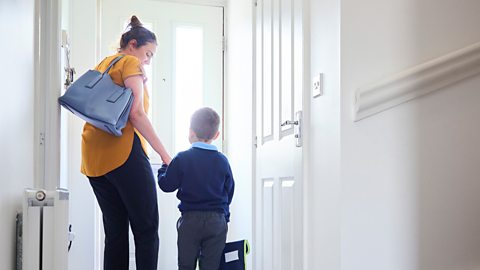
Talk about the journey to school and what they will need to remember to pack in their school bag.
The more a child can start talking about the whole experience of being at school the more they will have rehearsed it in their minds and the more confident they will feel.

2. Talk to siblings and friends
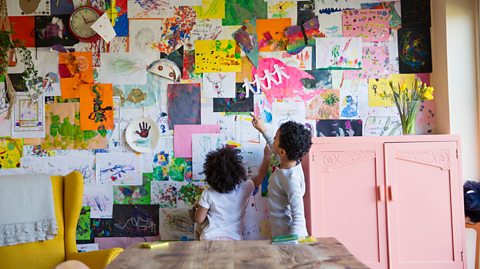
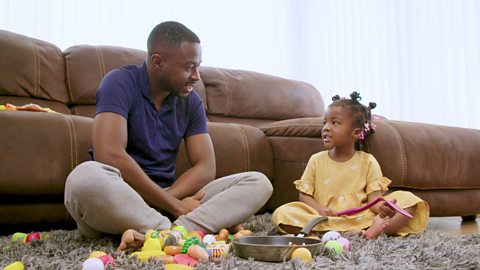
Getting children to speak with siblings or friends can give them a different point of view and may allow them to ask questions about what it is like to have a new teacher and to make new friends.
Being able to speak to a younger child will more likely settle any worries they have as they realise that all children have similar questions.
3. Practise important skills

Remember practice makes (almost) perfect, and there are key skills that a child should be working hard to master.
These range from showing they have good social manners by saying ‘please’ and ‘thank you’, to being able to sit at the dining table to eat their breaktime snack and lunch.
These last few weeks are also a good practising zone for things like washing and drying hands before eating, trying to use the right cutlery and keeping bottoms on chairs when eating.
Every time these skills are seen, offer praise to your child to keep these behaviours going, and remind them that the teacher will also be looking out for these skills.
4. Look out for social skills
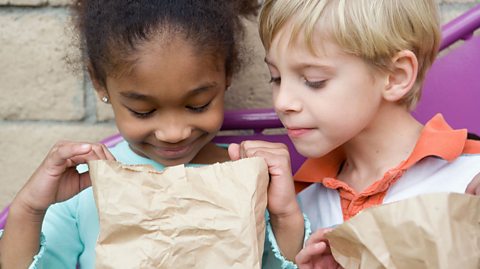
Making and keeping friends can often be a huge challenge.
It’s good to remind your child that others in their class may also be feeling a bit unsure and so saying hello, smiling and asking another child if they want to play is a good place to start.
Over the summer holidays, why not try to create opportunities when your child can mix with other children.
This could be playing with their siblings or with their friends. Sharing is an important skill, so encourage them to ask others if they would like to play with them, especially if they see a child who looks shy or upset.
If however, your child is shy (and plenty of children are, so please don’t worry!), this may involve supporting them that little bit when they are with other children.
For example, you could make suggestions about games they play well that they could ask others to join them in.
5. Establish good routines

Establishing a routine with your child during the holidays helps build good habits before school begins.
A visual calendar can also remind them how many days are left until term starts.
A consistent bedtime routine is especially important: well-rested children are better able to focus and manage the demands of school.
Settling your child with a chat and a story not only promotes good sleep but also creates a lasting habit.
This bedtime reflection helps children process their day, celebrate successes, and plan for challenges such as new skills, friendships, and confidence.
6. Get things ready
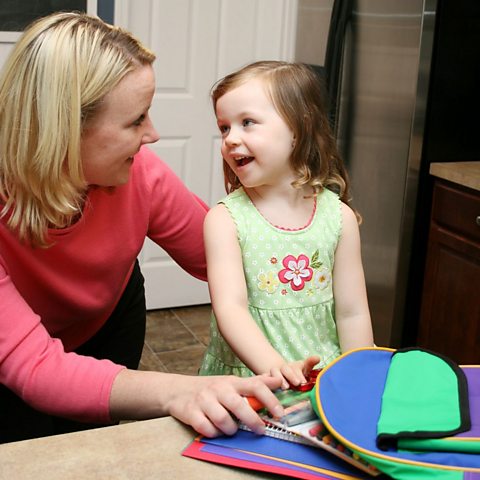
Children like to feel prepared for school, so help them make a list (or draw) the items they’ll need, from pencil case to lunch box.
Turn it into a game by spotting things at home, then plan a shopping trip. Labelling belongings helps them stay organised and confident.
Preparation is also about meeting new people. Moving from smaller settings to a larger school means encountering many different children.
Encourage your child to look forward to making friends and embracing differences, helping them feel part of a diverse and welcoming community.
7. Take time to listen

Children need time and space to share what excites or worries them about starting school.
Worries are not always obvious; a child may go quiet when school is mentioned or behave out of character.
Listening patiently without interruption helps, and common concerns include leaving parents at the gate, not knowing what to do, or making friends.
Take worries seriously and ask if your child has ideas for coping. For some, talking is enough; for others, learning positive self-talk can help.
Praise them when they find their own solutions, and reassure them that teachers are there to help with any bigger worries.
"The earlier a child can be helped to feel successful and supported in all they do, the easier it will be for children to be ready for life-long learning."