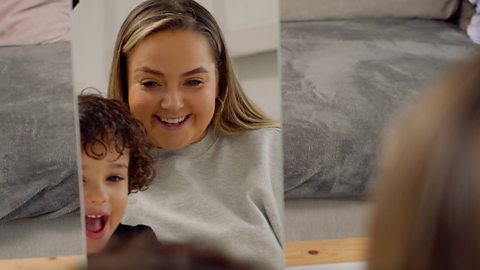
Caring kids can grow into kind, compassionate adults.
But what is empathy, and how can we encourage our little ones to develop it as they grow?
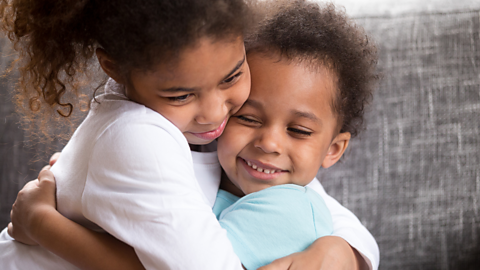
What is empathy and when does it start?
Clinical psychologist Dr Linda Blair says it’s “when you try to understand how another person is feeling”, and may start very early.
“Recent research shows that really tiny kids have empathy but they don’t regularly show it, says Linda.
“And even until a child is about seven, they don’t find it easy to stand in other people’s shoes.”
She adds that it can be “hard work” for kids to understand another person’s point of view and emotions.
This can lead to arguments and conflict with classmates and carers.
So how can adults raise kind, empathetic children?
Start early
The earlier adults start encouraging empathy in their little ones, the better, suggests Linda.
“You want to grab the little root that’s coming out of the soil and work with it. The more you do at the beginning, the richer I suspect your kid’s powers of empathy will be,” she says.
What are some examples of things grown-ups do to help kids become kinder and more caring with friends and family members?
1. Be what you want to see
Leading by example is a great place to start.
“The richest way [to encourage children] is for a parent to simply behave as they hope their child will behave when they’ve grown up,” says Linda.
She adds that kids aged 3-5 years old are very impressionable.
“3-5-year-olds care what their parents do and say, so it’s a good time to show them what you hope they’ll do.”
Carers and teachers can help with setting a positive example too.
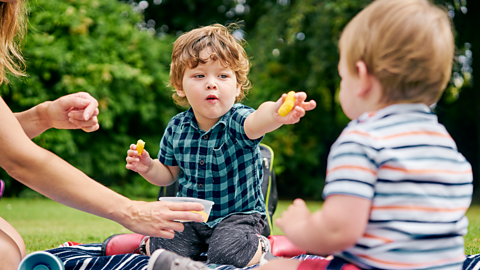
Katherine Harrison-Walker, a childminder based in North Yorkshire, says that manners and politeness are something that she tries to model.
“If we go on a train as a group and an older person gets on, we’ll move seats for them because it’s good manners,” she says.
“We make sure that the kids learn to say ‘please’ and ‘thank you’, we’ll say ‘good morning’ to people, and work on just being generally kind to each other in a group setting.”
They practise walking in line, holding hands with classmates and not pushing other kids, which is “a big deal at that early age”.
“We talk a lot about making sure our friends are safe when we’re walking on the path.”
Katherine adds: “I think showing kids that we need to think about other people from an early age can really help with compassion and kindness.”
2. Empathy through play
Learning through play doesn’t have to involve crafts or elaborate group activities.
Linda suggests introducing a simple game to your children called, ‘Guess what I’m thinking’.
Ask them if they can work out what you’re thinking, and turn it into a fun activity.
“The point is that your child will try to start paying attention to your face and your body language,” says Linda.
She adds that it’s an easy, interactive prompt to develop empathy in everyday life.
Another idea is role play around caring for others.
Katherine says that she sometimes uses dolls to help kids learn about looking after other people.
She says: “Maybe if a child is expecting a new sibling, we’ll get the dolls out and help them get used to the idea of helping to look after a new baby and helping to build up empathy before that sibling is born.”
3. Learn from conflict
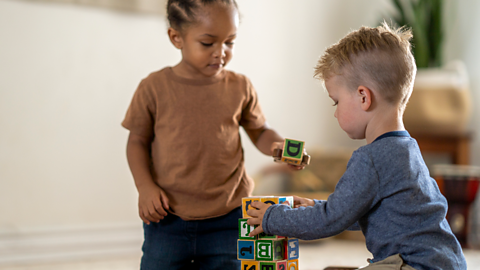
Even arguments can be a chance to teach kids about compassion and communication.
“When grown-ups are resolving disputes with their partner, it’s a question of saying, “Let me hear what you have to say and let’s see if we can find a middle ground,” says Linda.
She adds that when people lose their temper or snap in front of their kids, it’s important to be open, kind and apologetic.
“You can say, “I’m sorry I shouted at you. We really ought to sit down and think this through together because I don’t quite understand what you meant.”
Being honest about messing up, in other words, is a good way of showing kids how to do the same in their own relationships.
“Children have to learn that nobody’s perfect and they too can make a mistake but learn to forgive themselves and own it,” says Linda.
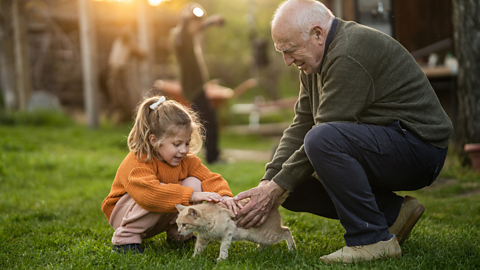
4. Caring for animals
Looking after animals isn’t just fun, it can also teach kids about the importance of kindness .
Linda says that being around animals can be a good way of helping your kid to develop empathy by making them focus on the non-verbal needs of others, says Linda.
“You have to try to understand what that pet or animal needs, but obviously you can’t do it with language.”
She adds: “So you have to start tuning into body language and watching them closely.”
Unlike helping out with a sibling, a pet can be a more neutral way of kids learning how to look after another person without becoming a potential “point of rivalry”, says Linda.
If you don’t have a pet of your own, could you visit the home of a friend or family member who does?
5. Sit down side-by-side to connect
Intense eye contact with toddlers can sometimes make it tricky to connect with them, says Linda.
Developing kindness and compassion relies on kids feeling safe to share what they’re thinking and feeling.
Linda suggests that it’s sometimes better to sit next to each other when you’re having a heart-to-heart, or after a tantrum.
“Later on, when they’re teenagers, you can do the same thing when driving them to a party or cooking together,” says Linda.