Fibs, tall-tales and white lies, we all tell them. And children as young as three or four can fabricate the most interesting scenarios. But is this something parents should worry about?
Children’s stories are full of tales of deceit and tricks, like The Boy Who Cried Wolf or Pinocchio. From a young age, children hear about dishonesty, making it a part of their lives.
Adults often view lying as something that is corrupt, but for children it can be quite innocent. “It’s easier to understand when we look at it from their perspective”, says mental health specialist Raoul Lindsay.
Why do children lie?
Children lie for all sorts of reasons and motivations. According to American psychologist Lawrence Kohlberg’s theory (1958), moral development can start as early as three years old.
“This theory explains that children aged three to seven years old learn about morality and want to be seen as good kids or in the best light. They don’t want to get in trouble and lying is a way to avoid punishment,” says Raoul.
“Children can also lie to gain approval or a reward. So, if someone says how high can you jump and a child replies I can jump as high as a kangaroo, they’re trying to appear as the winner in their peer group.”
Another reason children may lie is just to make their stories more exciting. “If you ask a child how their weekend was, they might embellish it and let their imagination run wild. It’s a way to help them feel that the creative part of their mind is being used.”
At a young age, children’s lies can usually be categorised as low-level, but some children may lie if they’re feeling anxious or to stop their parents from worrying about them. For example, if they’re having a tough time at pre-school and don’t want to share that with you.
Of course, you don't want to be dismissive if children are telling you something that could be serious - in which case you want to make sure that children know you are listening to them. There is some advice on dealing with children's disclosures from the NSPCC. And Raoul is quick to point out that you don't have to figure out the truth by yourself:
“If you’re concerned your child is telling serious lies, reach out for support from school, nurseries, GPs and other professionals to guide you in the right direction.”
Raoul explains, “We want to think about patterns - the frequency and intensity of the lies being told.”
As children get older, their lies can become more complex, rather than silly, and they start to view morality differently - for example, lying to not to hurt someone’s feelings.
Raoul explains that “As adults we look at things from a principled perspective, but we can’t expect children to have the same principles.
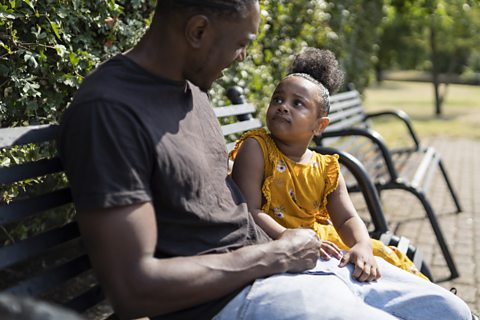
How to encourage honesty?
It’s important to be a role model for your child and show them that it’s okay to tell the truth when they’ve made a mistake. The best way to do this is to admit your own mistakes and apologise to them when necessary.
“If you’re late picking up your child and they ask you why, you can come up with various excuses to avoid disappointing them, or you can be honest and manage it that way,” says Raoul.
This approach helps your child feel that it’s safe to tell the truth and normalises admitting their mistakes.
Responding to your child lying
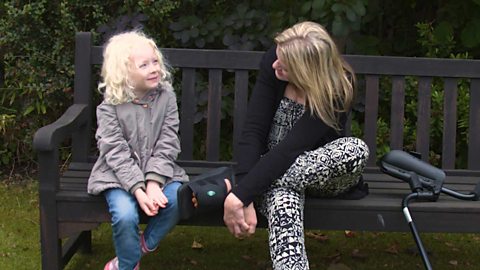
Lying can be a big, complicated subject, and requires patience. You need to discuss the importance of truth in a way your child understands and remain as calm as possible.
A way to encourage honesty when your child is telling you a fib, is to ask them to revisit it and give them another chance at honesty.
“For example, you say to them, ‘I’m going to leave, I’m going to give you 10 minutes and then I’m going to come back and ask you again. You can change your mind if you want, and you can give me a different answer.’”
Raoul explains that this approach gives children the opportunity to reconsider and understand that it isn’t about being a terrible person or getting caught.
You want your child to be open to learning as much as possible as opposed to feeling accused.
“Children rely on their caregivers for everything. In adulthood, we have more ways of being autonomous, but as a child, it can be frustrating sometimes when they really want something but are powerless. Lying can be a tool for them.”
Understanding it from this perspective can allow you as a parent to approach the situation in a neutral and investigative way. “If we’re genuinely curious, we can have an open conversation about the importance of honesty and why it’s important to know what happened,” says Raoul.
“Explain to them that lying won’t give them what they want, and that you want them to be happy and healthy and well cared for. It’s equally important to make your child feel heard and let them know they have your support if they do come to you with a serious accusation,” adds Raoul.
For advice around lying and school-age children, head to BBC Bitesize Parents' Toolkit.
Funniest lies your child has told you
We asked you for the funniest lies your little ones have told you and you delivered!