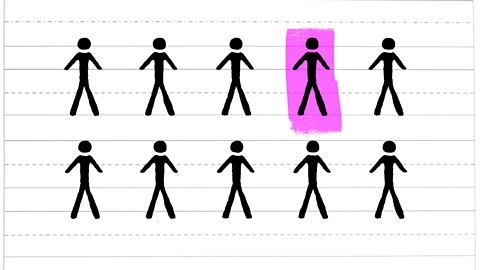
Lots of people have dyslexia. In fact, as many as one in 10 schoolchildren have dyslexia.
V/O: We asked pupils with dyslexia to tell us what school and learning is like for them and pull together some top tips and hints which will help them in the classroom.
When we do guided reading, I always kinda… cos everyone can read, I always lose my place. And it's quite hard, that's quite hard.
They're asked who wants to read? And everyone’ll put their hand up, and I won't put my hand up.
I've always found reading really difficult and like the words jumble together to make new words.
The er letters kind of jump about and I can't really see what's happening.
V/O: Lots of children with dyslexia have problems with tracking. They find it hard to follow the words across the page and down line by line.
When I'm reading I miss, maybe lines, maybe full stops or maybe commas or even words and sometimes paragraphs.
I usually hold it in this hand and run my finger along, so it helps me to have something under it, or you or I'll use a ruler.
V/O: For some children, reading rulers really help. But for others, it's the coloured overlay that makes the difference.
I don't really like the bright white paper.
White and brightish and the words are like really black. So like white comes forwards more so I can't really see the words.
The high contrast just hurts my eyes and brain sometimes.
I do have like this thing that goes over paper that changes the colour of the paper, the thing that helps me.
The words kind of just, unjumble and when you put it on the page, really simple and it's really effective as well
V/O: Printing on coloured paper and in a larger or dyslexia-friendly font can sometimes do the trick.
I never really used to put my hand up but then they always like we used to go around the class anyway.
When it’s my turn I’m like…. Where are we?. It's quite hard.
This series was first published in 2020.
Children with dyslexia explain what reading is like for them, and the film gives tips and hints on how you might support them in school.
The children talk about their experiences; about reading aloud, problems with scanning and tracking, and being reluctant readers.
Emily, a pupil who has dyslexia says: "I've always found reading really difficult: the words jumble together to make new words."
Alfie, who also has dyslexia, says he struggles to read some letters: "The letters kind of jump about and I can't really see what's happening."
For Fin, a reading ruler really helps. For Emily, it's a coloured overlay that makes the difference.
Please note that the children in this film are talking about their personal experiences. Children should be assessed by a qualified optometrist for visual stress before using overlays.

More from this series
Writing. video
Children with dyslexia describe their difficulties with writing. The film offers ways to help with different difficulties.
Maths. video
Children with dyslexia describe their difficulties with maths. The film offers tips and advice to help.
The classroom. video
Children with dyslexia describe their difficulties with classroom learning. The film offers a range of practical strategies to help.
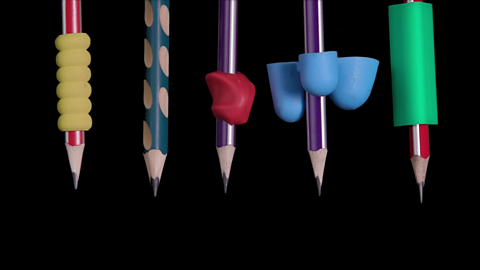
Pupil perspective. video
Children with dyslexia describe how it affects their lives at school, and give their own perspective on what helps them.