This film examines typical responses to flooding, including examples of both 'hard' and 'soft' engineering techniques.
In recent years, the United Kingdom has experienced serious flooding in many parts of the country. There are several steps we can take to prevent or reduce flooding, or at least to lessen its impact.
These steps can be classified into two groups: hard engineering and soft engineering.
Hard engineering is the construction or placement of physical barriers like embankments, walls, levees, dams, groynes and large rock boulders.
These can prevent the rising water from flooding onto the surrounding areas. But, these constructions are expensive and take time to implement. They can also be damaging to the natural environment, and sometimes they fail, like here in New Orleans during Hurricane Katrina in 2005.
Soft engineering works with the environment, using techniques that allow floodwater to interact with the land in a way that reduces pressure on the built environment and the local population.
This can include the creation of flood plains on land upstream from urban areas, to allow flooding to occur naturally with minimum damage to property.
On the shoreline, natural sand dunes can be encouraged to form on beaches. These absorb floodwater and the force of the waves.
Soft engineering strategies may cost less and be less destructive to the natural environment, but they often cannot offer the same level of protection from flooding that hard engineering techniques can.
It's usually a combination of hard and soft engineering strategies that is most effective in protecting humans, property and the environment from flooding.
However, even with several responses in place, flooding can occur, sometimes causing serious destruction and threat to human life.
Video summary
Download/print a transcript of the video.
A short film for secondary schools explaining the common responses to flooding and the methods employed to prevent and reduce flooding. Footage shows examples of hard and soft engineering techniques.
It considers a range of responses to flooding and gives students the opportunity to determine which they believe are most effective and why.
It meets the requirements of National Curriculum physical geography at KS3 with regard to:
- geological timescales and plate tectonics
- rocks, weathering and soils
- weather and climate, including the change in climate from the Ice Age to the present
- and glaciation, hydrology and coasts.
Teacher Notes
This short film is an ideal tool to help students understand how humans respond to flooding. Combined with these two earlier films on coastal flooding and river flooding, this brings together the responses to, and impacts of, both types of flooding.
It can be used to prompt discussion about which responses to flooding are most effective and which have the greatest impact, both positively and negatively.
You could use the film to demonstrate the range of responses to flooding and students could then consider whether or not they have seen these in their local area. Students can then find out more about them.
Points for discussion:
- What is flooding?
- What causes coastal flooding?
- What causes river flooding?
- How do humans respond to the risk of flooding?
- Are responses to coastal flooding different to responses to river flooding?
- Are patterns of flooding changing?
- Can we predict when flooding will happen?
Suggested activities:
After watching the film, students can explore the impact of river flooding and/or coastal flooding on an area through case studies and fieldwork.
Students could explore mechanisms to protect communities located close to rivers, and/or coastal communities, and explore the impact that such measures have.
Using data, students could explore patterns and trends of flooding, both coastal and river, and determine if cases of flooding are becoming more or less common.
Following this, students could develop arguments for and against the different protection measures often used and critically evaluate each of these.
This short film is relevant for teaching geography at KS3 in England and Northern Ireland, 3rd and 4th Level in Scotland, and Progression Step 4 in Wales.
Students and teachers over the age of 16 can create a free Financial Times account. For a Financial Times article about the Valencia floods from 2024, click here.
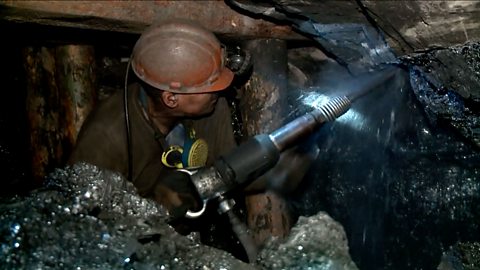
Primary and secondary industries. video
A short film for secondary schools explaining primary and secondary industries.
Tertiary and quaternary industries. video
A short film for secondary schools explaining tertiary and quaternary industries, what they are and how they fit into global economy.

Erosion. video
A short film for secondary schools explaining the various types of erosion and illustrating the dramatic effect the process has had on landscapes across the world.
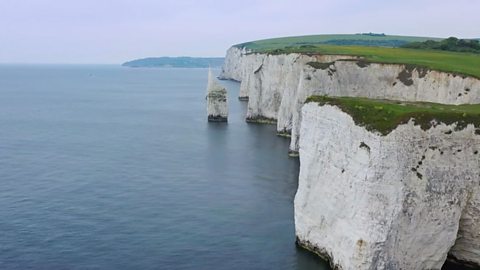
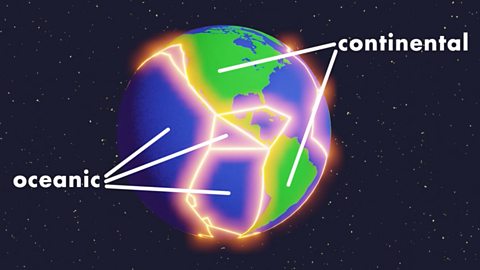
Plate tectonics. video
A short animated film for secondary schools detailing tectonic plates, their movement and boundaries, and what this means for Earth.
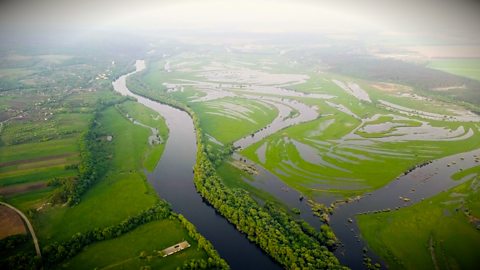
River flooding. video
A short film for secondary schools offering explanation of the causes and effects of river flooding. Footage shows examples of case studies of river flooding in the UK and across the world.
Glaciation. video
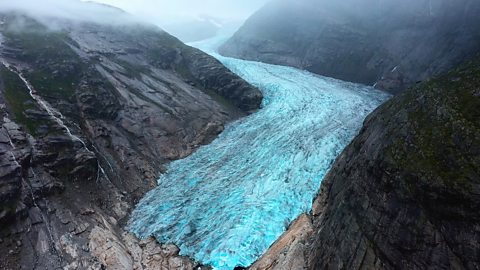
A short film for secondary schools explaining glaciation: what it is, how it shapes the land and the effects of climate change on the world’s glaciers.
Rapid urbanisation. video
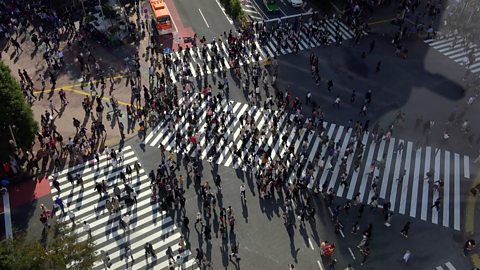
Investigates how rapid urbanisation impacts on both urban and rural areas and the challenges this presents.
Coastal flooding. video
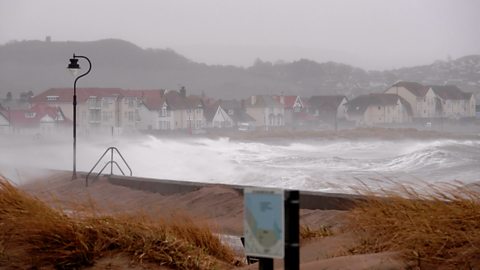
Illustrated with case studies, this short film for secondary schools explains the causes and results of coastal flooding, focussing primarily on instances in the UK.
Climate. video
A short animated film for secondary schools describing the factors that determine the climate of a country and the main climate zones of the world.