Climate describes an average of weather conditions in an area over a period of time, usually around thirty years.There are many different factors that determine the climate of a place, like…
Latitude. The tilt and curve of the Earth influence how energy from the Sun is distributed north and south of the Equator. It’s hottest at the Equator where the Sun’s rays are more direct and focused. Towards the Poles, the same amount of energy is shared over a wider area, making it cooler.
Elevation. Air temperature decreases with altitude. The higher you go, the colder it gets.
Distance from the sea. Water heats up and cools down slowly, so coastal places tend to be cooler in summer and warmer in winter, than places inland at the same latitude and altitude.
Ocean currents also influence climate as they transport heat around the globe, cooling or warming coastal regions.The world has these main climate zones.
Polar climates are very cold and dry with long, dark winters and short summers. Temperatures rise above freezing for only a few months each year.
Temperate climates, like ours in the United Kingdom, have four clear seasons with warm summers, if we're lucky, and cool winters.
Arid climates are very dry and usually get less than 250mm of rainfall each year, creating areas of hot desert like the Sahara and cold desert like the Gobi. With cloudless skies, daytime temperatures in deserts can be extremely hot and night time temperatures below freezing.
Tropical climates close to the equator have high temperatures and year-round rainfall, ideal conditions for creating rainforests such the Amazon and Congo. Some tropical climates have two distinct seasons, one wet and one dry.
A Mediterranean climate has dry summers and mild, wet winters.
Continental climates are similar to temperate ones but have greater temperature extremes in summer and winter, because they are found inland, far from the ocean.
The climate is something that affects us all, from our economy, to the food we eat, to our leisure activities.
Video summary
A short animated film for secondary schools describing the factors that determine the climate of a country and the main climate zones of the world.
It also considers climate change and how it will present significant challenges for human, animal and plant life.
The film meets the requirements of National Curriculum physical geography at KS3 with regard to:
- geological timescales and plate tectonics
- rocks, weathering and soils
- weather and climate, including the change in climate from the Ice Age to the present
- glaciation, hydrology and coasts.
Teacher Notes
This short film is an ideal tool to help students understand both the nature and distribution of climate across the Earth, but also the nature of climate change and how this will impact on their lives.
It can be used to discuss the challenges of life in each climate zone and how humans, animals and plants adapt to it.
It can also be used to illustrate the distribution of climate zones across the world and allow students to develop an understanding of how these are changing and why.
Students could carry out research and investigations to determine the factors that cause the rate of climate change to increase.
Points for discussion:
What is weather?
What is climate?
Describe the different climate zones around the world.
How are climate zones changing?
What is causing climate zones to change?
How can humans reduce the impact of climate change in each zone?
Suggested activities:
After watching this short film, students could explore the impact of climate change on the different climate zones around the world.
They could investigate why we have varying climate zones and which natural processes have led to their creation.
Students could then explore how human activity has impacted on climate zones and what might happen if climate change continues at current rates.
This short film is relevant for teaching geography at KS3 in England and Northern Ireland, 3rd and 4th Level in Scotland, and Progression Step 4 in Wales.
Students and teachers over the age of 16 can create a free Financial Times account. For a Financial Times article about the climate in El Niño from 2023, click here.
Primary and secondary industries. video
A short film for secondary schools explaining primary and secondary industries.
Tertiary and quaternary industries. video
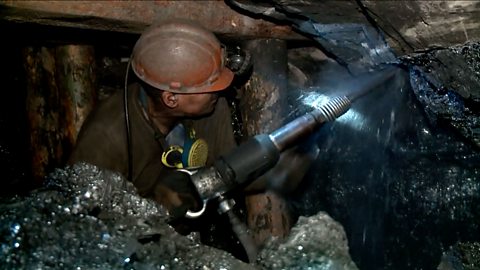
A short film for secondary schools explaining tertiary and quaternary industries, what they are and how they fit into global economy.

Erosion. video
A short film for secondary schools explaining the various types of erosion and illustrating the dramatic effect the process has had on landscapes across the world.
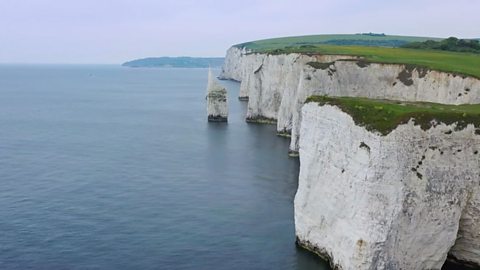
Plate tectonics. video
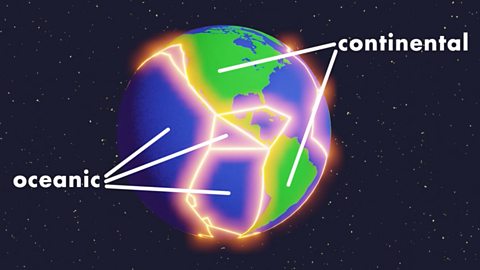
A short animated film for secondary schools detailing tectonic plates, their movement and boundaries, and what this means for Earth.
Glaciation. video
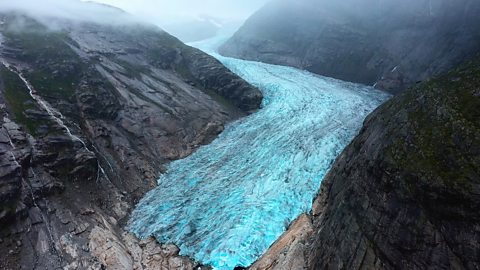
A short film for secondary schools explaining glaciation: what it is, how it shapes the land and the effects of climate change on the world’s glaciers.
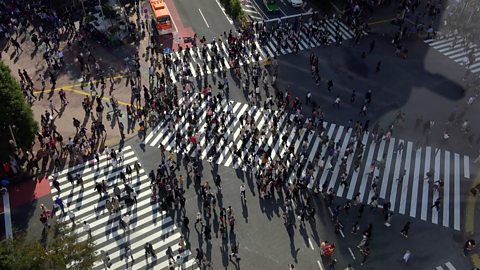
Rapid urbanisation. video
Investigates how rapid urbanisation impacts on both urban and rural areas and the challenges this presents.
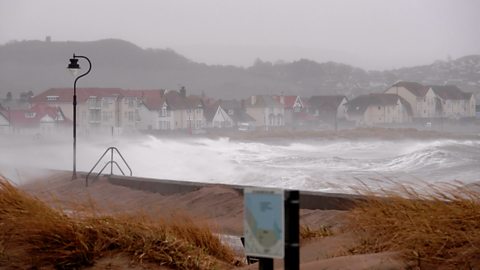
Coastal flooding. video
Illustrated with case studies, this short film for secondary schools explains the causes and results of coastal flooding, focussing primarily on instances in the UK.
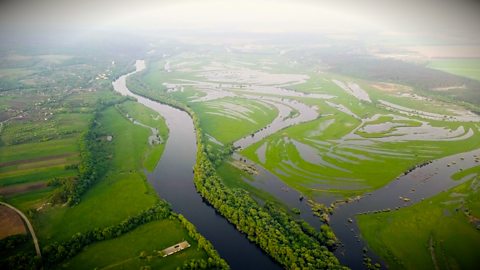
River flooding. video
A short film for secondary schools offering explanation of the causes and effects of river flooding. Footage shows examples of case studies of river flooding in the UK and across the world.
Responses to flooding. video
A short film for secondary schools explaining the common responses to flooding and the methods employed to prevent and reduce flooding. Footage shows examples of hard and soft engineering techniques.