This film explores urbanisation: how rapid urbanisation impacts both urban and rural areas and the challenges this presents.
Video
Urbanisation is the movement of populations from rural areas to towns and cities. It tends to happen when a country's economy changes and new industries develop.
In recent years, several countries in Africa and Asia have seen rapid urbanisation and around the world the pace of urbanisation is getting ever faster. So why is this happening?
There are push and pull factors that affect people's decisions to move to towns and cities.
In many countries climate change is making farming in rural areas more difficult, leading to food and water shortages and a lack of shelter. These factors push people out of rural areas and towards towns and cities.
Job opportunities, higher standards of education and easy access to services like healthcare, pull people towards towns and cities, particularly young people in search of a different way of life.
But rapid urbanisation is happening faster than governments can plan and prepare for. This puts pressure on urban infrastructure, the housing, schools and other services required by an increasing population.
Slums and shanty towns have grown up in many of the huge cities of the developing world, like Cape Town, Nairobi and Mumbai, with no access to decent housing, fresh water or sanitation.
Rapid urbanisation has also had an impact on rural areas. They've seen a decline in population, particularly of younger people.
In order to protect these rural areas, which are still vital for food production, environmental protection and as a source of sustainable energy production, governments need to plan for their future viability.
According to United Nations statistics, more than half the world's population now lives in urban areas and it's predicted that this figure will grow to over two thirds by 2050.
Rapid urbanisation is a sign of the development of the economy in most countries, but governments need to manage urban growth to ensure that the positives outweigh the negatives.
Video summary
Download/print a transcript of the video.
This short film for secondary schools gives students an understanding of urbanisation, how rapid urbanisation impacts on both urban and rural areas, and the challenges this presents.
It can help provide an effective introduction to the AQA GCSE geography specification.
Teacher notes
Download/print the Teacher Notes for this episode (pdf).
Before watching the video
Show students a map of the world which explores areas of urbanisation. This could be a choropleth map. What do they notice about the pattern of urbanisation?
Introduce key terms such as:
Urbanisation: The growth of urban areas.
Push factors: Negative factors about the location someone currently lives in.
Pull factors: Positive factors about the location someone wishes to move to.
Sanitation: The safe disposal of human waste and the maintenance of hygienic conditions alongside the provision of clean, drinkable water.
During the video
You may wish to stop at relevant points during this short film to pose questions and check understanding or wait until the end. Useful questions might include:
- What is urbanisation?
- Which continents have seen rapid urbanisation?
- What are push and pull factors?
- Why are people moving away from rural areas?
- Why is rapid urbanisation a problem for governments?
- How many people now live in urban areas?
- What is predicted to happen to this figure?
After watching
Ask students to consider what push and pull factors are and examples for each. Students could create a table of push and pull factors.
Look at specific examples of cities that have experienced rapid urbanisation. Task students with investigating the impacts of rapid urbanisation on those locations, for example Mumbai, Nairobi, Lagos and Cape Town.
Students could create a case study of the causes of rapid urbanisation and the impacts that this is having on the cities.
Where next?
This is a great opportunity for students to explore data linked to urbanisation, for example Our World in Data provide graphs and statistics linked to urbanisation. Students could analyse the graphs, explore patterns and try to explain why urbanisation is happening rapidly in those locations.
Curriculum notes
This short film is relevant for teaching geography at KS3 in England, Wales and Northern Ireland and 3rd and 4th Level in Scotland.
This short film helps meet the requirement of the Key Stage 3 national curriculum in geography requirement to develop an understanding of:
- Challenges in the human environment relating to: a growing percentage of the world’s population lives in urban areas.
More videos from this series
Primary and secondary industries. video
A short film for secondary schools explaining primary and secondary industries.

Tertiary and quaternary industries. video
A short film for secondary schools explaining tertiary and quaternary industries, what they are and how they fit into global economy.

Erosion. video
A short film for secondary schools explaining the various types of erosion and illustrating the dramatic effect the process has had on landscapes across the world.
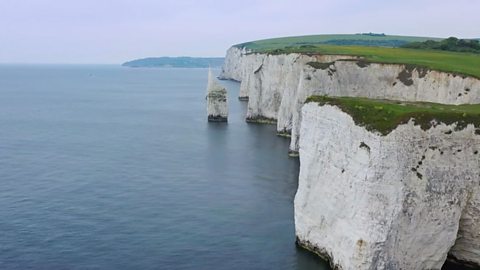
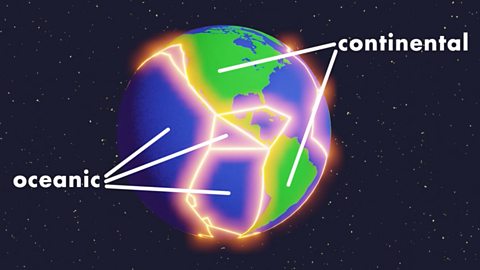
Plate tectonics. video
A short animated film for secondary schools detailing tectonic plates, their movement and boundaries, and what this means for Earth.
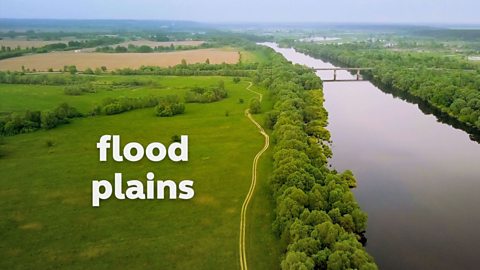
Responses to flooding. video
A short film for secondary schools explaining the common responses to flooding and the methods employed to prevent and reduce flooding. Footage shows examples of hard and soft engineering techniques.
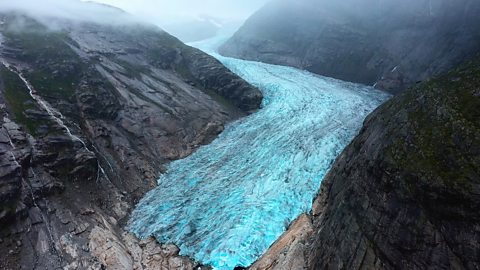
Glaciation. video
A short film for secondary schools explaining glaciation: what it is, how it shapes the land and the effects of climate change on the world’s glaciers.
Coastal flooding. video
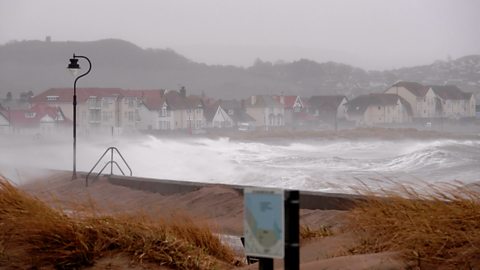
Illustrated with case studies, this short film for secondary schools explains the causes and results of coastal flooding, focussing primarily on instances in the UK.
River flooding. video
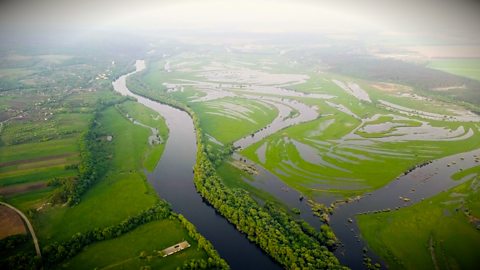
A short film for secondary schools offering explanation of the causes and effects of river flooding. Footage shows examples of case studies of river flooding in the UK and across the world.
Climate. video
A short animated film for secondary schools describing the factors that determine the climate of a country and the main climate zones of the world.