Naomi Wilkinson and her young helpers find out about plant reproduction and seed dispersal.
NAOMI: There are all sorts of different plants growing around us. Hi everyone. What plants have you found today?
CHILDREN: Flowers!
NAOMI: Oh yes, what do you like about the flowers on plants?
CHILD: They're colourful.
CHILD: And they smell nice.
NAOMI: In the spring and summer many plants grow flowers, covering the spaces around us in beautiful colour. But flowers have a very important job. They help plants make new plants.
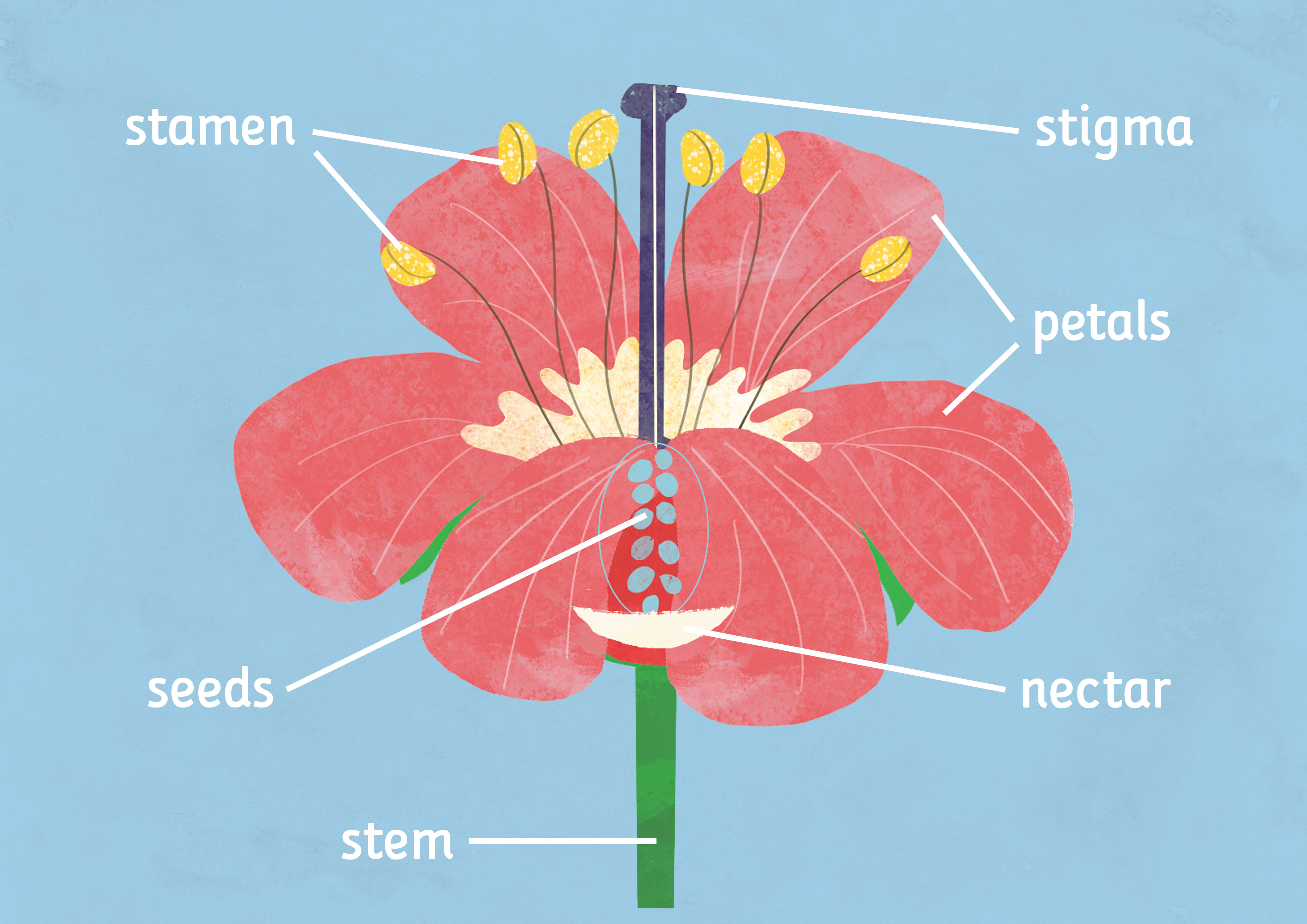
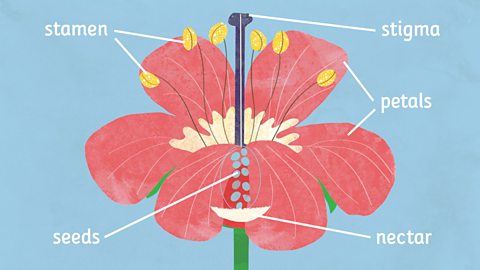
To make a seed that could grow into a new plant, a special powder that the plant makes, called pollen, needs to move from this part of the flower, called the stamen, to this part of the flower, called the stigma. This is called pollination. Sometimes plants can pollinate themselves, which we call self-pollination.
But often plants need a little bit of help. Insects can help with pollination. Insects like bees are attracted to the bright colours of the flower. They love to drink something that the plant makes. It's called nectar and it's found down in the middle of the flower. On her way to get the nectar, the bee gets covered in pollen. Then, when the bee buzzes all over the flower, she moves the pollen from the stamen to the stigma so that the flower can make seeds. When insects, like this bee, buzz off to another plant to find more nectar, they take the pollen with them. This kind of pollination is called cross-pollination!
Not that kind of cross!
Once a seed has been made, it will need the right amount of light, air and water to grow into a new plant. But it will also need its own space.
One way it can find space is with the help of the wind. Dandelions have lots of seeds on the outside. This dandelion seed is very light and shaped a bit like a parachute, so it's carried on the wind, far away from the parent plant to find a new place to grow. This is called seed dispersal.
Some seeds are too heavy to be moved by the wind, so they might roll. Or, if they fall into a river, they can travel by water. Or maybe animals will help them move.
Plants have found lots of ways to spread their seeds. Let's see what our Nature Explorers have found out about new plantsgrowing where they are.
ALEESHA: Hi, I'm Aleesha, I'm out exploring with my mummy. Let's go everyone! These birch trees grow up to 30 metres tall.
NAOMI: That is very tall!
ALEESHA: This is a pine tree!
NAOMI: That looks interesting.
ALEESHA: Look, this is a holly tree! Don't touch it, it will be spiky.
ALEESHA: This tree here, you can see that the buds are starting to grow. Hopefully you had a good time looking at trees with me and my mummy. Bye!
NAOMI: Thanks, Aleesha!
Oh great, you guys are making pumpkin lanterns! Don't forget to keep some of those seeds to make new plants.
Plants grow all around us. They come in lots of shapes and sizes and produce all sorts of wonderful flowers, seeds and fruit.
Plants are amazing!
How do plants make new plants?
The video explores how plants reproduce and the role of flowers in particular in the reproduction process. The structure of a flower is examined and the role of the various parts of the flower in making new plants. Pupils are introduced to key vocabulary such as stamen, stigma, pollen and pollination.
Varying types of pollination are explored including the role of insects in pollination. The methods of seed dispersal are covered, such as by wind, rolling and animal dispersal.
At the end two children continue the exploration by making pumpkin lanterns. They keep seeds to dry out and replant to grow new plants the following year.
Points for discussion:
- What is pollination?
- Can you remember the names of the parts of the flower?
- What job do animals have in helping plants to grow?
- How do bees help some plants to create new seeds and then new plants?
- Can you remember the different ways that seeds can move from a parent plant?
Suggested activities:
Pupils can create their own pumpkin lantern or collect seeds from another fruit - such as an apple - to plant in school. They could explore how long these take to dry out and then grow into new plants. Pupils could record the growth on a regular basis to explore how quickly seeds grow into adult plants.
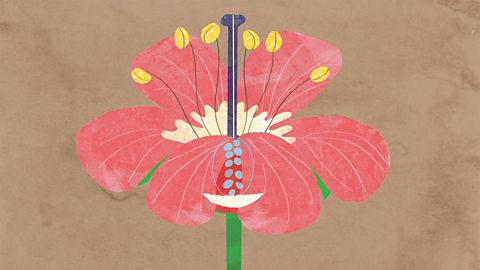
Use illustrations to label the various parts of a flower and discuss / recall what function they serve in helping new seeds to grow and develop. See 'Resources' below.
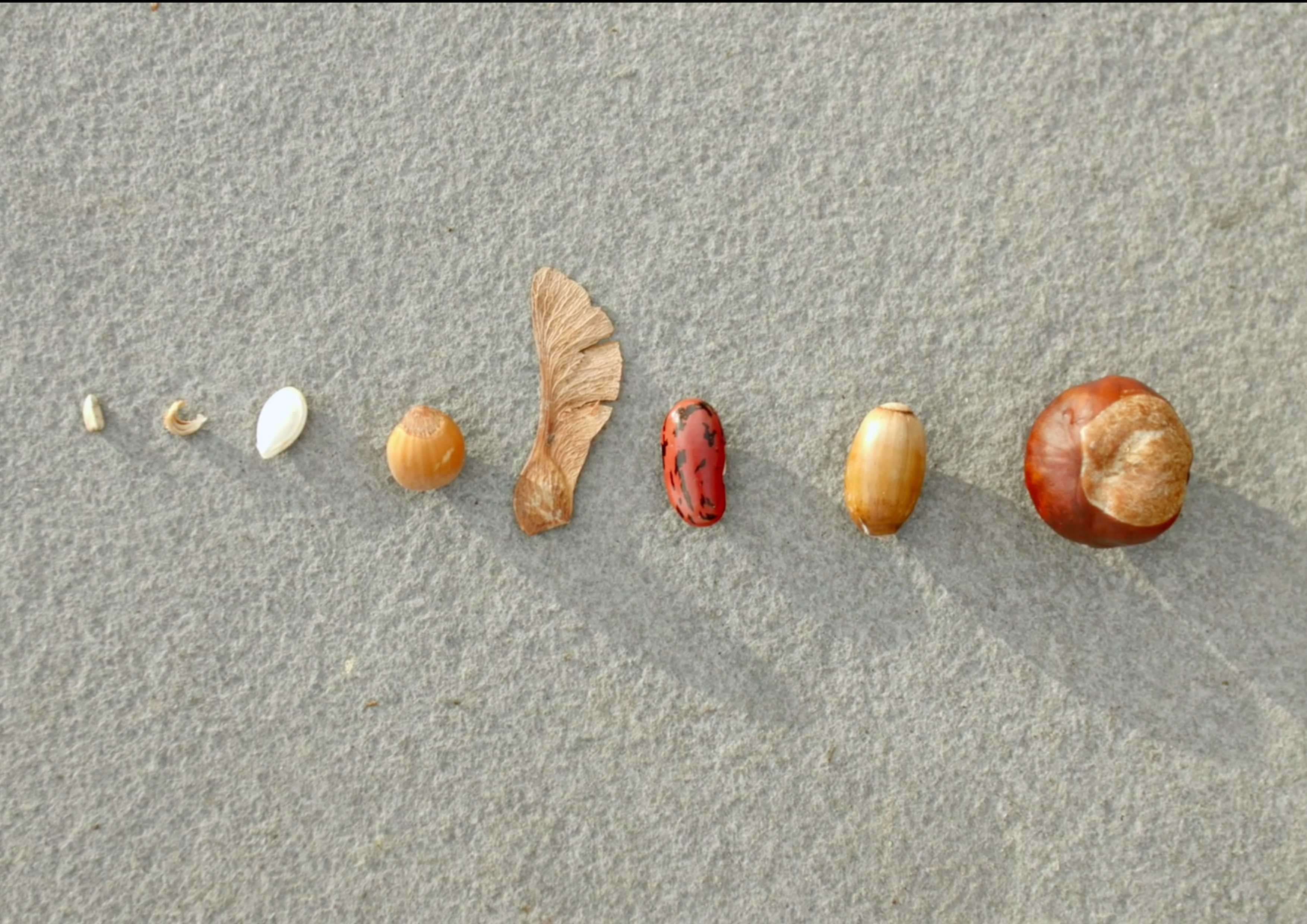
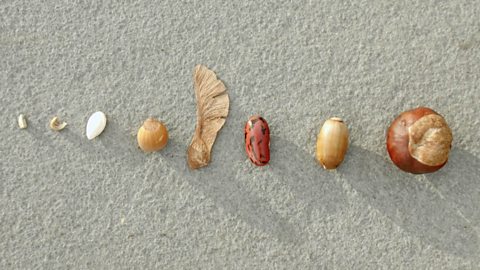
Examine a collection of seeds and discuss with pupils how they think the seeds would be dispersed. Ensure a variety - those that have adapted to stick to the fur of animals, those carried by the wind, those that might roll or be eaten by animals. You could begin with the image of seeds in 'Resources' below.
Curriculum Notes
This film is relevant for teaching Science within the National Curriculum at KS1 in England and Northern Ireland and 1st Level in Scotland as well as the Science and Technology Area of Learning and Experience within the Curriculum for Wales.

Further resources
The parts of a flower. image
Click to download / print the image.
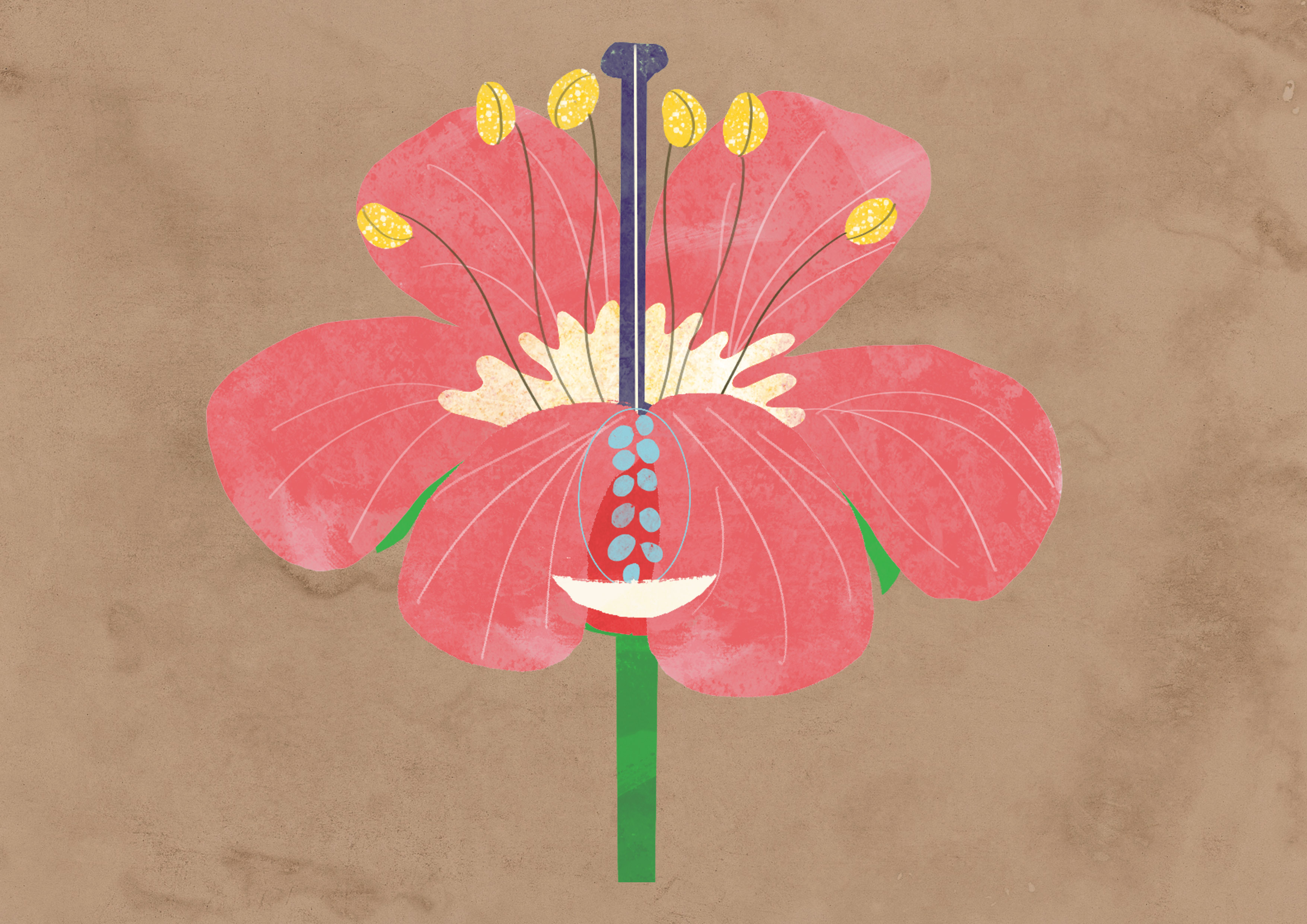
Label the parts of a flower. image
Click to download / print the image. Then use it to label the parts of a flower.
Examples of seeds. image
Click to download / print the image.
What is a plant? video
Exploring what a plant is - how to identify them and how to categorise them.
How do plants grow? video
Exploring the conditions needed for germination and plant growth.