Naomi Wilkinson and some young helpers explore what a plant is.
NAOMI: Have any of you seen any plants around here?
CHILD: Look over there!
CHILD: There are some over here.
NAOMI: A plant is a living thing that grows and makes new plants. There are many different types of plants around us, including plants that flower, grasses, mosses and even vegetables. You might have seen some of these plants before? Daisies, buttercups, clover, nettles, dandelions, roses, carrots, sunflowers.
CHILD: Don't forget the trees!
NAOMI: Good point. Trees are also important plants, and they can all look so different. From the great big oak tree to the spiky holly tree.
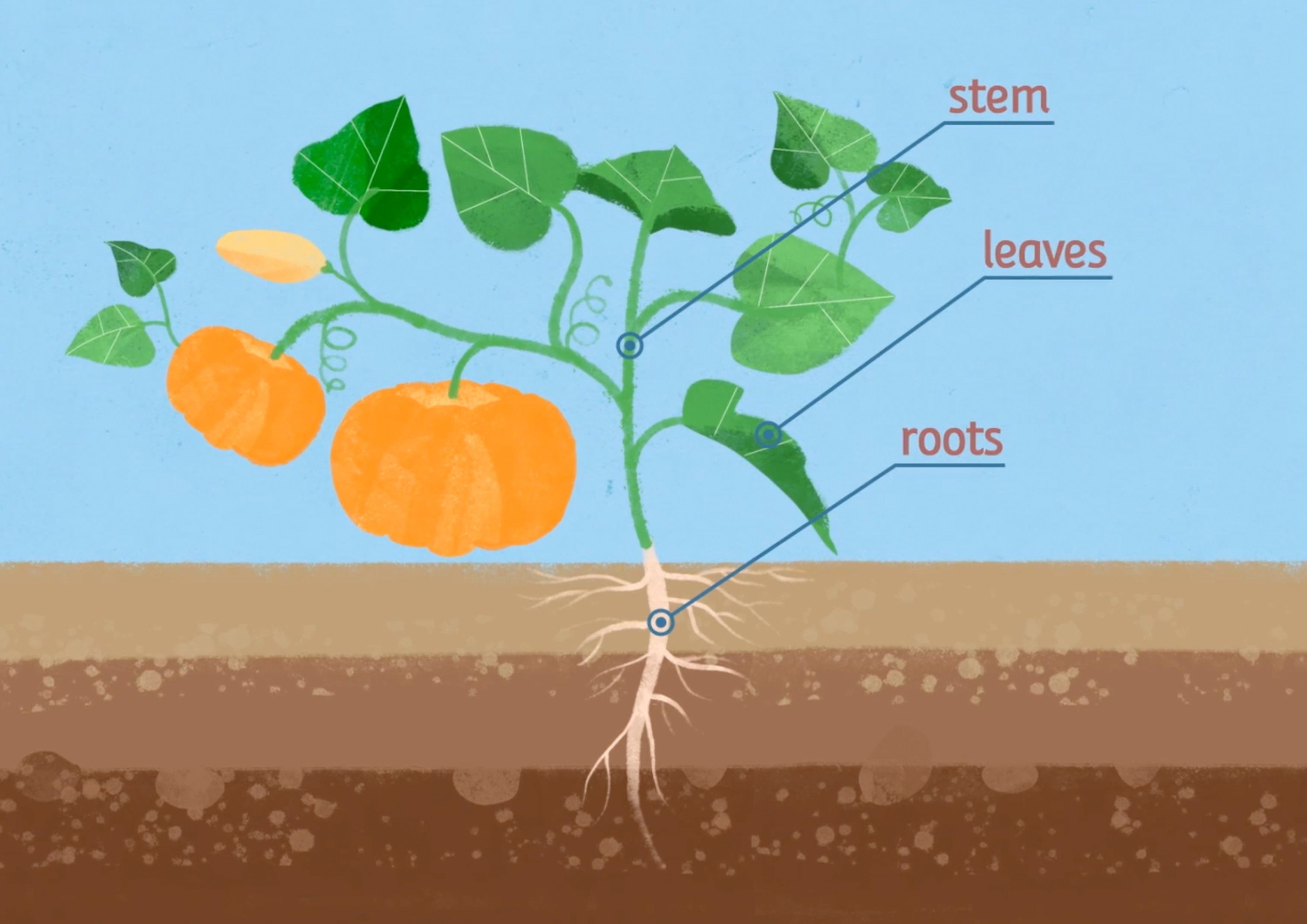
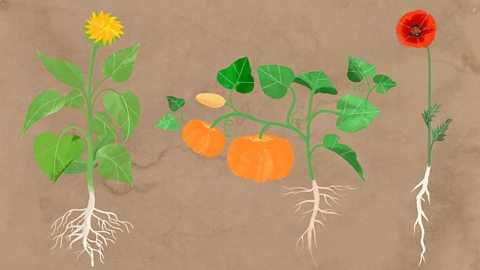
Nearly all plants have these three important parts. The roots. The stem. And the leaves. But these parts don't always look the same.
These are all roots. See how different they look.
And look at these stems. Some of them are huge.
And leaves come in so many different shapes, sizes and colours.
The roots suck water and nutrients into the stem of the plant. The stem then moves the water and nutrients through the plant to the leaves.
The stem of a tree is called the trunk, and the part of the tree where the leaves grow is called the crown.
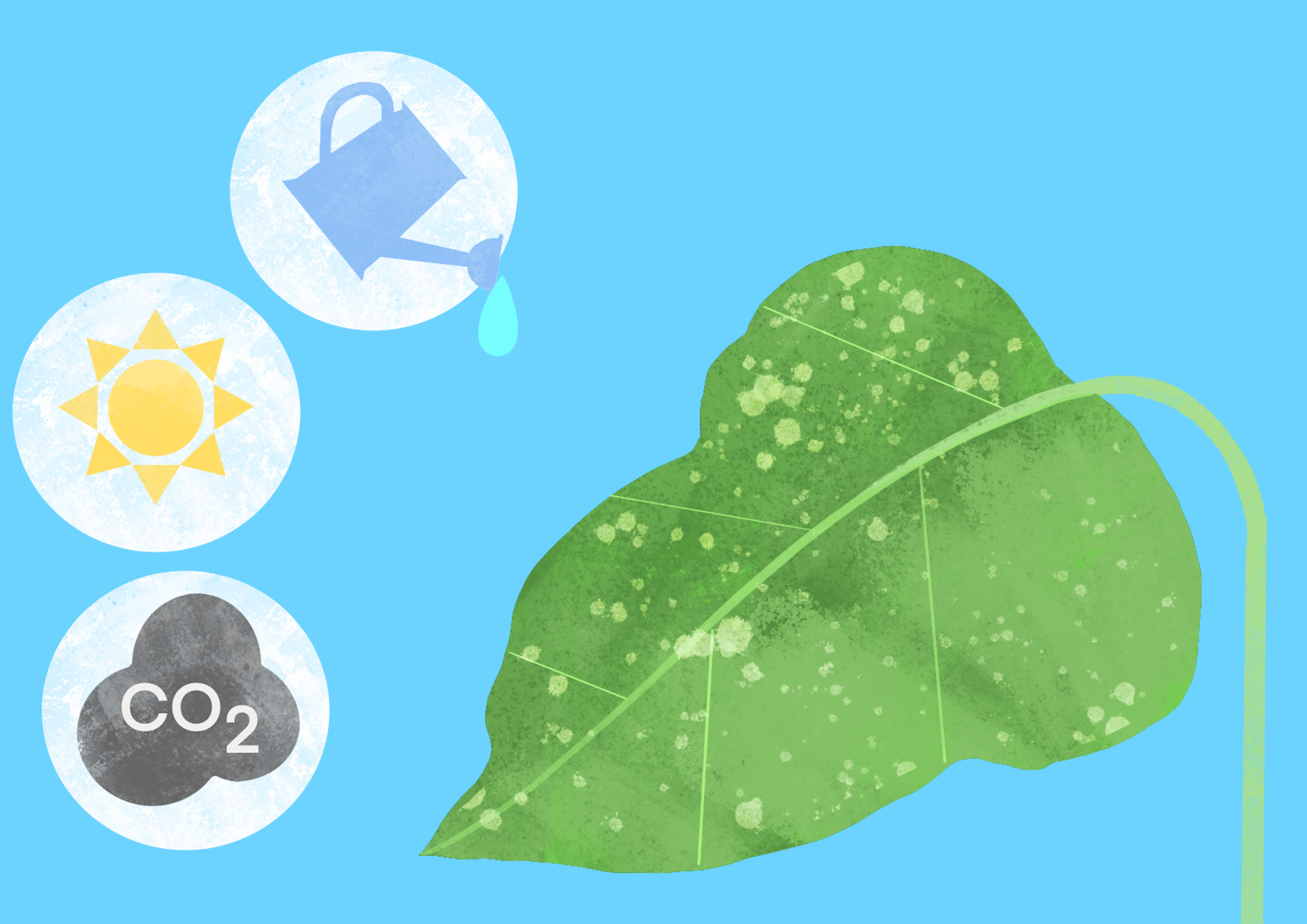
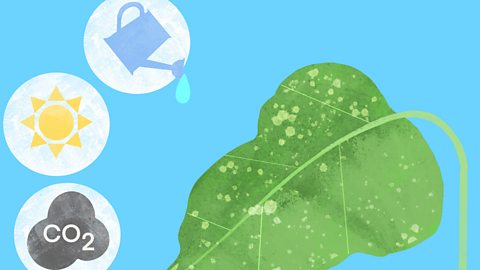
Leaves use sunlight, water and a gas from the air, called carbon dioxide, to make food for the plant.
Many plants also grow flowers and the flower's job is to make new plants.
Plants grow in lots of different places. You can find them in gardens like this one, but they can also be found all over the countryside as well as in villages, towns and cities.
What kind of plants can you find where you live?
Let's see what our Nature Explorers have found near them.
ALEESHA: We're out in the town today. We're going off to see how many plants we can find!
NAOMI: Oh, what have you found there?
ALEESHA: Look at these slabs, there's moss growing on them. It's some ivy!
These daffodils. In the summer and spring, they'll grow nice and yellow.
Look at this one, it's giant!
I hope you enjoyed exploring with me and my mummy. Bye!
NAOMI: Thanks Aleesha. A lot of the plants we see around us are native to the United Kingdom - that means they've always grown here. But there are other plants that were brought here many many years ago by the Plant Hunters.
The Plant Hunters were people who travelled around the world looking for the fanciest, most colourful plants. Then they brought those plants here to grow in gardens and parks.
Many of those plants are still in the UK today and grow all around us, you might even see them in a park or garden near you.
Look at all the different colours of those leaves. What are you going to do with those? Oh, leaf rubbings. I love those! Thecrunchy autumn leaves are perfect for this.
CHILD: Do you know what else autumn leaves are good for? Throwing!
What is a plant?
What is a plant? gives an introduction to plants: what they are and where they grow. The video explores the variety of types of plant that exist, the complex make-up of plants and the conditions they need to grow. It goes on to examine the role of flowers in plant reproduction and how plants can be found in many different locations, such as rural areas, gardens and urban spaces.
In the Nature Explorers section a child finds out what plants are growing on the streets near her home.
Points for discussion:
- What are living things?
- What is a plant?
- How is a plant different to an animal?
- Where can plants be found growing?
- What colours are the plants you have seen near where you live?
- What are the three main parts of a plant?
- What conditions do plants need to grow well?
Suggested activities:
Pupils can explore the variety of plant life within their local area and what different types of plants can they find. What different coloured flowers, leaf shapes, sizes, etc, can they find? Use a variety of methods – eg graphs – to record results.
Use the image of three plants to label the stem, the leaves and the roots. See 'Resources' below.
After sharing the video, teachers can explore types of plants, how they grow and the conditions they need to grow well. You could share the image below showing sunlight, water and carbon dioxide. See 'Resources'.
Pupils could plant a variety of seeds in different locations to investigate how conditions such as water, light, soil and temperature impact seed germination.
To take this learning further, pupils could care for a growing plant - eg a geranium - and investigate how conditions such as water, light, soil and temperature impact plant growth. Are there tell-tale signs that one type of condition is not suitable for a plant to grow?
Pupils could investigate water absorption into plants. Using food colouring, can pupils predict where water will be visible in a carnation flower, celery stick, etc? Pupils can move onto explore in more detail why water travels through a plant.
Pupils could explore the texture, shape and size of autumnal leaves by carrying out leaf rubbings using leaves found within their local area.
Curriculum Notes
This film is relevant for teaching Science within the National Curriculum at KS1 in England and Northern Ireland and 1st Level in Scotland as well as the Science and Technology Area of Learning and Experience within the Curriculum for Wales.

Further resources
Roots, stem, leaves. image
Click to download / print the image.
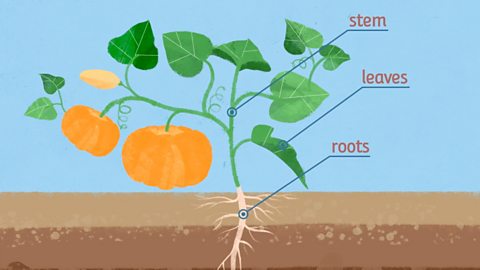
Label the parts of a plant. image
Click to download / print the image. Then use it to label the parts of a plant.
Sunlight, water, carbon dioxide. image
Click to download / print the image.
How do plants grow? video
Exploring the conditions needed for germination and plant growth.
How do plants make new plants? video
Exploring pollination, cross-pollination and seed dispersal.