Thousands of nurses worked at home and abroad during the war.
There weren’t enough trained British Nurses so lots of people volunteered.
Edith Cavell was a famous nurse working in Brussels.
She helped soldiers escape and saved the lives of over two hundred Allied soldiers.
Edith Louisa Cavell – Nurse… Forty-nine years of age.
When they come for me tomorrow morning I will be ready.
I could have been safe. This didn’t have to happen. But when the war started it never crossed my mind to go home to England. Even when Belgium was invaded and occupied by the Germans I was determined to carry on with my work training nurses here in Brussels.
It started when two wounded British soldiers came to our clinic. Although I knew that anyone who tried to help them could be arrested by the Germans and shot I hid the two soldiers for two weeks and when they were ready to travel I showed them how to escape and find their way home.
Since then over sixty British soldiers have come to our clinic. I hid them, fed them, nursed them and when the time came I gave them money and helped them to escape.
When the Germans found out what I was doing, they arrested me and brought me here to St Gilles Prison. They questioned me, I told the truth. I am not ashamed of what I have done.
My trial was over very quickly. The charge… treason. The verdict… guilty. The penalty… death by firing squad. In the past few days many important people across the world have pleaded with the Germans to spare me.
But I know those pleas will not be granted. The Germans won’t listen. They are angry. They want to make an example of someone. I have no hope that I will be saved. I have written my last letters and when they come for me tomorrow morning I will be ready.
Video summary
This short film is for teacher use and contains potentially upsetting content; teacher review is recommended before use in class.
Commentary and newsreel describe the role of nurses during World War One, including the work of volunteer nurses.
A dramatic monologue introduces Edith Cavell, a British nurse remembered for her work in Brussels with injured soldiers of all nationalities.
Edith actively helped allied soldiers escape German-occupied Brussels.
This led to her arrest, trial and execution by the Germans in 1915.
She is widely regarded today as an icon of courage and compassion.
This clip is from the series WW1 A to Z.
Teacher Notes
Pupils could discover more about the life of Edith Cavell from books and websites.
Based on their research, pupils could improvise scenes that show how Edith came to be in the prison cell we see in her onscreen monologue.
This short film is suitable for teaching history at Key Stage 2 / Second Level or above.
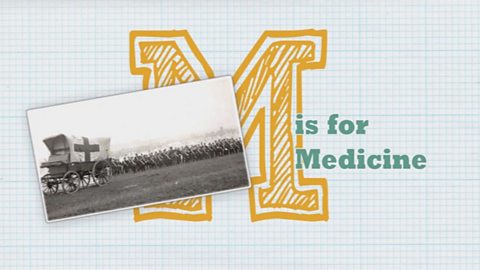
M is for Medicine. video
Newsreel and a dramatised monologue about the advances in medicine made during World War One.
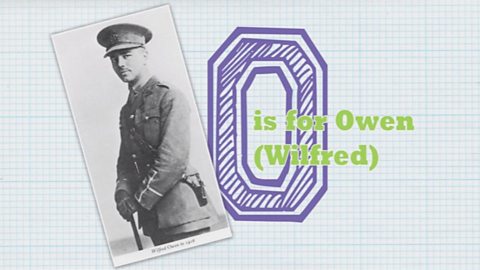
O is for Owen (Wilfred) video
Commentary, newsreel and dramatic monologue introduce Wilfred Owen, today one of the most widely recognised WW1 poets.
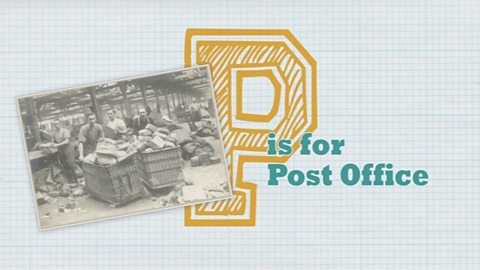
P is for Post Office. video
Photographs, newsreel and dramatic monologue show how the Post Office carried messages and parcels from home to British Tommies in the trenches.