Wilfrid Owen enlisted in the British Army in 1915.
He returned to England in 1917 because of shellshock.
Owen started writing poetry about the war when he was in hospital.
His poems are now famous but they weren’t at the time.
2nd Lieutenant Wilfred Edward Salter Owen. Manchester Regiment. Twenty four years of age. Soldier and poet.
I came here to this hospital three months ago. They say I am suffering from shell shock. In this war men see such terrible things that sometimes our minds are damaged and that’s when they send us to places like this.
I’m not the only poet here. The famous poet Seigfred Sassoon is also a patient. He has been really inspirational to me! Sassoon says that soldier poets should write about what they know, they should write about the war. And that’s what I’m trying to do in this poem.
…. We’d been under enemy bombardment for eight days. We hadn’t slept for a week then we had to march eight miles back in the mud and freezing rain. I looked at the men. They were filthy, ill, exhausted. Some were so tired they couldn’t see properly. And some had even fallen asleep as they marched. . When they’d come to France just a few months before they’d been strong, young men and now they were old and broken. I want my readers to see those men.
‘Bent double like old beggars under sacks
Knock-kneed, coughing like hags, we cursed through sludge
Till on the haunting flares we turned our backs
And towards our distant rest began to trudge
Men marched asleep. Many had lost their boots
But limped on, blood-shod. All went lame; all blind;
Drunk with fatigue.’
Until they see men like that, people will never understand what war is.
Video summary
This short film is for teacher use and contains potentially upsetting content; teacher review is recommended before use in class.
Commentary, newsreel and photographs examine the life of Wilfred Owen, today one of the most widely recognised poets of World War One.
A dramatic monologue introduces Owen, in hospital suffering from shell shock and at work on his poem ‘Dulce et Decorum Est’.
Owen reads the opening lines aloud and explains their context.
This clip is from the series WW1 A to Z.
Teacher Notes
Pupils could read more poems by Owen, Sassoon and other poets of the period.
Encourage the children to compare these verses with the lyrics of popular patriotic songs of the period. How do the messages differ?
Owen’s work was virtually unknown during his lifetime.
Why do pupils think he came to be seen as such a significant figure in the years after World War One?
This short film is suitable for teaching history at Key Stage 2 / Second Level or above.
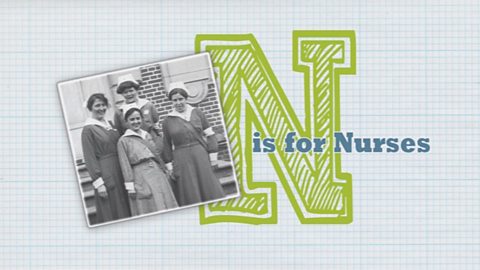
N is for Nurses. video
Commentary, newsreel and dramatic monologue describe the role of nurses during WW1, including the work of Edith Cavell.
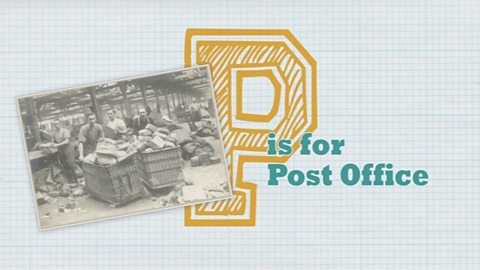
P is for Post Office. video
Photographs, newsreel and dramatic monologue show how the Post Office carried messages and parcels from home to British Tommies in the trenches.
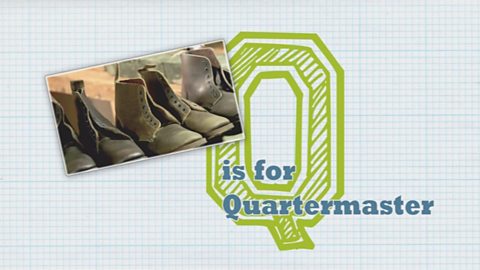
Q is for Quartermaster. video
Newsreel and dramatic monologue explain the role of the quartermaster in keeping British WW1 troops supplied and equipped.