A Quartermaster was the officer who was responsible for supplying the kit and equipment.
They could have been asked to supply anything.
British soldiers on the Western Front would carry a total of 30 kilos of equipment.
William Stacey. Captain. 3rd Battalion Worcestershire Regiment. 48 years old.
Been in the army for 32 years now. Worked my way up from private. I’m a captain Quartermaster now which means I’m in charge of these.
Not just boots; blankets, socks, gloves, sandbags, tinned meat, cooking fuels, biscuits, gas masks. My job’s to supply the Battalion with everything it needs to fight this war.
Sometimes we turn up with the supplies and the men have gone. They’ve been marched off somewhere else and we have to set off and try and find them.
Even when we do know where they are it’s not easy getting supplies to them. The Army Service Corps have got lorries but the Germans are always trying to blow up the supply roads. When that happens we have to take the stuff up on horseback or carry it ourselves.
Trouble is everyone always wants the same thing at the same time. If it’s been raining they want planks of wood and sandbags to keep the trenches dry. If there’s been a cold snap they want gloves and a blanket. We do our best to get them what they need but we’re always short of something. Today it’s boots.
We got boots but they’re all size twelves. If you’ve got normal sized feet you stand no chance of getting a new pair of boots even if the ones you’re wearing are falling to bits.
Anyhow, maybe next week those size 8 boots’ll arrive. If they do I’ll do my best to get them to our men. Where ever they are by then.
Video summary
This short film is for teachers and review is recommended before use in class.
Newsreel and commentary examine the role of the quartermaster in keeping British troops supplied and equipped during World War One.
Tommies on the Western Front carried 30 kilos of kit.
A dramatic monologue introduces Captain William Stacey, a quartermaster on the Western Front.
He shows us around his stores and explains the importance of some key items of a soldier’s kit, such as boots, socks, blankets and gas masks.
This clip is from the series WW1 A to Z.
Teacher Notes
British soldiers on the Western Front were expected to carry 30 kilos of equipment.
Pupils could convert this amount from kilos into the imperial units of pounds and ounces.
The children could make up packs with a mass of 30 kilos. Is it easy to lift this pack? To carry it? To run with it?
Challenge pupils to list all the items they think a British Tommy would need to carry into battle.
Pupils could check their ideas with books and websites to confirm if their list matches the standard issue made to British troops in World War One.
This short film is suitable for teaching history at Key Stage 2 / Second Level or above.
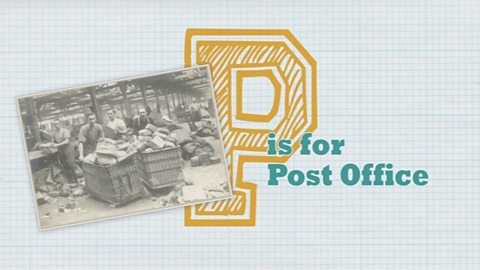
P is for Post Office. video
Photographs, newsreel and dramatic monologue show how the Post Office carried messages and parcels from home to British Tommies in the trenches.
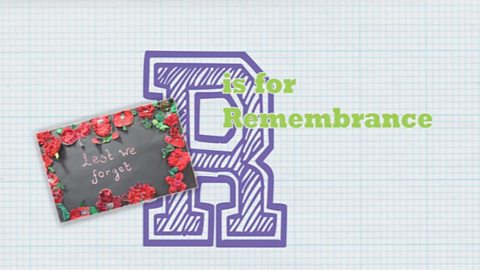
R is for Remembrance. video
Schoolchildren describe the national act of remembrance that takes place on 11th November each year.
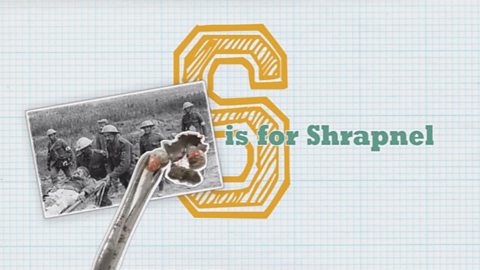
S is for Shrapnel. video
Newsreel and dramatic monologue describe the effects of shrapnel in WW1, and the role of woman doctors in treating its effects.