The soldiers wore these to protect themselves from shrapnel.
Shrapnel shells were the most common type of weapon used in World War One.
Shrapnel caused terrible injuries in the front line and the men would be treated by surgeons.
Elsie Inglis was a woman surgeon who had to operate on lots of shrapnel injuries.
Elsie Inglis. Aged 53. Doctor and surgeon.
Many people back home in Britain are still surprised to see a woman doctor. But if they could see me here now, a woman surgeon in a field hospital removing shrapnel from the leg of a Serbian soldier…they would truly be shocked.
But in fact there are hundreds of British women working in field hospitals all over Europe. Some are nurses, some are doctors and some like me are surgeons.
But it wasn’t easy to get here
When the war started I went to the War Office in Edinburgh and offered to set up a team of women doctors and nurses who would go to any country where they were needed. The officer in charge laughed at me and said,
‘My good lady, go home and sit still.’
Well I did not go home and I certainly did not sit still. Instead I helped to set up The Scottish Women’s Hospitals for Foreign Service. The SWH. The British Army had turned down my idea but other countries were desperate for help so our SWH teams set off for the battlefields of Europe.
Here in Serbia we don’t just deal with war injuries. We are also fighting horrible diseases like typhus and dysentery.The women in our teams have seen some terrible things. Some have become wounded themselves, some have been captured by the enemy and some have died. But they never give up. They never complain. Whatever comes their way …bullets, disease, shrapnel they carry on and cope.
But now that we have shown some courage in wartime perhaps when peace comes they’ll at last let women vote.
Video summary
This short film is for teachers and review is recommended before use in class.
Newsreel and commentary describe the effects of shrapnel during World War One.
Shrapnel shells caused more injuries than any other weapon of the war years.
A dramatic monologue introduces field surgeon Elsie Inglis, a pioneering Scot who worked in field hospitals in Serbia.
She tells us how women are helping to deal with a range of threats such as shrapnel injuries and infections such as typhus and dysentery.
Elsie looks forward to a world after the war, where women enjoy equality with men - and the right to vote.
This clip is from the series WW1 A to Z.
Teacher Notes
Pupils could find out more about the life of Elsie Inglis, using books and websites to help them.
The children could also research the suffragette movement before the war. In her onscreen monologue, Elsie expresses the hope that women will gain the right to vote when the war ends.
Do pupils think Elsie’s own example help to advance the cause of equality? Did the war change the perception of women in Britain’s national life?
This short film is suitable for teaching history at Key Stage 2 / Second Level or above.
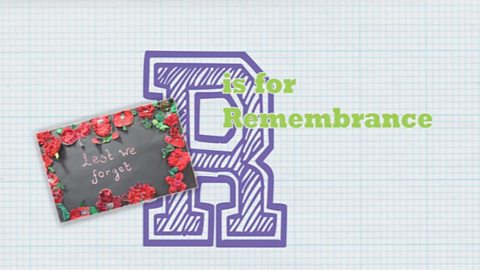
R is for Remembrance. video
Schoolchildren describe the national act of remembrance that takes place on 11th November each year.
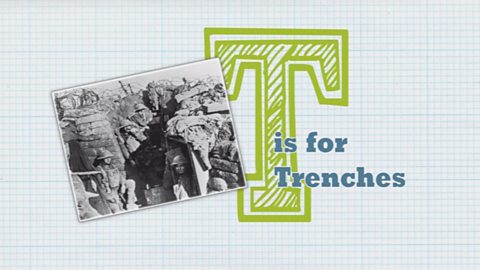
T is for Trenches. video
Newsreel, schoolchildren’s commentary and dramatic monologue describe the conditions of British trenches on WW1's Western Front.
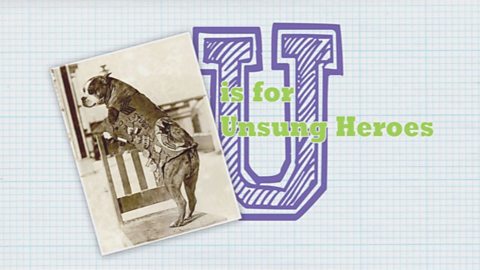
U is for Unsung Heroes. video
Newsreel, schoolchildren’s commentary and dramatic monologue illustrate the role of animals in WW1, including the famous terrier Sergeant Stubby.