Trenches were dug to protect soldiers from bullets and artillery fire from the other side.
Trenches formed the front line and ….
…the space inbetween was called “No Mans Land”
A trench was usually two metres deep and two metres wide.
They were very unhygienic – rats, mice and dead bodies
4927 Private William Short.12th Battalion Royal Fusiliers. Aged eighteen.
Dear Ma, Just a quick note to tell you that all is well. I am in a front line trench which is…
…which is a horrible stinking mess to be honest but you can’t tell your mother that can you.
We’re normally up here in a front line trench for about four days at a time. We call it a fire trench cos from here we can fire at the enemy. They’re not far away. We can hear them. Having breakfast. Getting shouted at by the corporals. Just like us. I bet their trench smells like ours too. We haven’t had a bath for weeks.
‘We have plenty to do here Mum and life is very interesting …’
Actually life in a fire trench is very boring. Mostly we just wait, watch, listen, get ready, get bored. Then its inspection and duties. Filling sandbags, repairing duckboards, digging trenches, pumping water, sentry duty and cleaning our rifles. Like I say boring.
‘Today the weather is fine but yesterday was a bit damp’
Yesterday it rained for twelve hours. This trench filled up and by tea time we were up to our knees in water. Standing in water all night feels like your feet are rotting.
Tomorrow we’re going back down the line for some rest. Get these stinking clothes off. Maybe have a bath. Hasn’t been too bad up here this time. No whizz bangs. No attacks. No gas.
‘Anyway all for now, Ma. Hope you are well. Your loving son Billy.’
Yeah we’ve been lucky really …this time.
Video summary
This short film is for teachers and review is recommended before use in class.
Newsreel and schoolchildren’s commentary describe the conditions of British trenches on the Western Front in World War One.
A dramatic monologue introduces Private Billy Short, aged 18. He’s in a trench on the front line, writing a letter home to his mother.
His cheery account in the letter contrasts with the harsh conditions he faces in reality.
Billy tells us of his everyday duties, such as filling sandbags, cleaning rifles, sentry duty, mending duckboards and pumping water.
He looks forward to the next day, when he’s due to go back down the line for some rest and maybe a bath.
This clip is from the series WW1 A to Z.
Teacher Notes
Challenge pupils to use information from they have seen and heard to help them make a scale model of a trench.
Pupils could use modelling clay, cardboard, twigs and pieces of thin wire to make their designs.
They could label the various elements of the trench, using books and websites to give them more context.
This short film is suitable for teaching history at Key Stage 2 / Second Level or above.
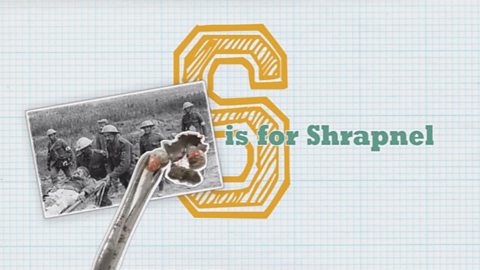
S is for Shrapnel. video
Newsreel and dramatic monologue describe the effects of shrapnel in WW1, and the role of woman doctors in treating its effects.
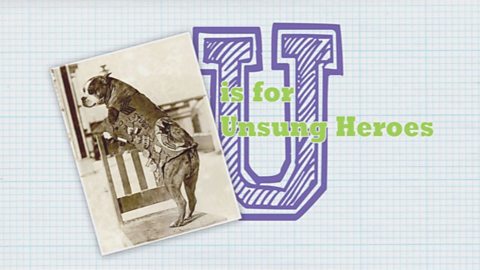
U is for Unsung Heroes. video
Newsreel, schoolchildren’s commentary and dramatic monologue illustrate the role of animals in WW1, including the famous terrier Sergeant Stubby.
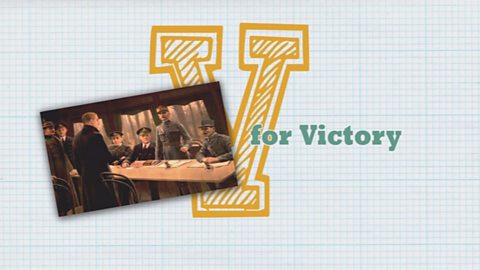
V is for Victory. video
Newsreel, schoolchildren and dramatic monologue show the victory celebrations in 1918 at the end of WW1.