Your body can do all sorts of amazing things, so it's important to look after it.
There are lots of things you can do to stay healthy.
A healthy diet is important for your body. The things you eat should containa good balance of protein, vitamins and minerals, calcium, carbohydrates, sugar and fats.
Each of these do different jobs in the body.
Proteins come from foods like meat, fish, eggs and beans. They help your muscles to grow.
Vitamins and minerals, from fruit and vegetables, help keep your skin strongand ready to grow as you get bigger. They also help to keep your organs working.
Dairy products, like milk and cheese, are full of calcium which is especially important as you grow. It helps give you strong teeth, bones and nails.
Sugar comes from things like sweets and cakes. It can give you energy quickly, but you only need a small amount of it.
Carbohydrates, from bread, pasta and potatoes, release energy more slowly,keeping you going throughout the day.
Fats, found in butter and oils, help to keep you warm but you don't need to eat a lot of these.
And you should be drinking about six glasses of water every day too. Not sugary fizzy drinks.
Exercise is also very important, especially for your heart. You should try to do one hour of exercise every day, like walking or cycling to school or playing football. This uses up any extra sugar or fat that you might get from food and helps to keep your bones and muscles strong.
Sleep is also important. When you sleep your body heals itself and growsso make sure you get around ten hours' sleep every night.
You only get one body, so it's important to look after it.
Video summary
This animation explains the importance of eating well, drinking water, and getting enough exercise and sleep.
It explores the different food groups from the ‘Eat Well Plate’ and explains what each food group does to help the body to work correctly.
It explains that we need different amounts of the varying food groups and that some, if eaten in too great an amount, can cause our bodies harm.
Teacher Notes
This short film is an ideal tool to help pupils to understand the concept of a balanced diet and the things that we need to live healthily.
It can be used alongside plate templates for the pupils to think about their own diet, what it contains and how they could improve it.
It can also provide a discussion point about what eating and living healthily means and what changes we can make to our lives to achieve this.
Points for discussion:
· What is a balanced diet?
· What are food groups?
· What do the food groups do?
· How can we live more healthily?
· How do people’s diets differ, an older person, a baby, an athlete?
Suggested activities:
After watching the film, you could work with pupils to identify what their diet is like currently, at home and in school, and to work out whether it is ‘balanced’.
Pupils can then explore changes that they can make to help improve their diet.
You could plan and carry out cookery activities to help show pupils that balanced diets can be healthy, inexpensive and tasty.
Pupils can experiment and explore how they can make their diet more healthy in an exciting way.
Pupils can investigate how people have different diets.
They can investigate how the diet of an athlete would be different to that of an older person or a baby for example, and can begin to think about why.
From this activity, pupils will start to develop a deeper understanding of what each part of the eat well plate contributes to our lifestyle and bodies.
This short film is relevant for teaching science at KS1 in England and Wales, Foundation and KS1 in Northern Ireland and Early and 1st Level in Scotland.
The human body. video
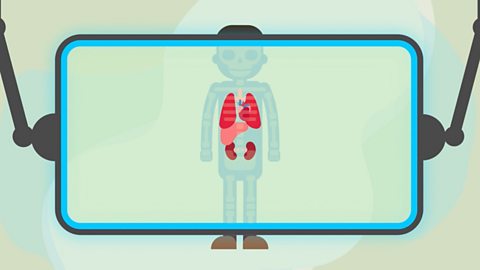
This animation takes KS1 pupils through the five senses and all the organs of the human body, showing how we are all different and yet the same in many ways.
Animal life cycles. video
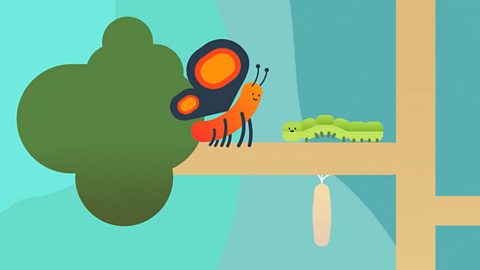
This animated film shows the life cycle of a butterfly and a frog, and takes us through the human life cycle.
The food chain. video
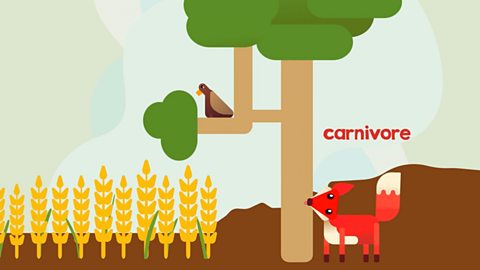
This short film for KS1 pupils describes food chains, explaining what consumers and producers are, and what can happen if a food chain is disrupted.
Conductors and insulators. video
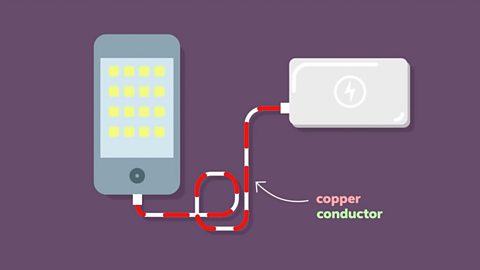
This short film introduces pupils to conductors and insulators. It investigates how heat and electricity are transferred or not through different materials and illustrates the role that molecules play in this process.
Solutions. video
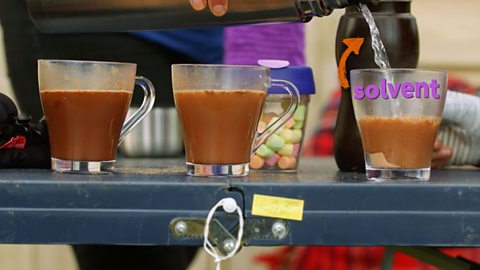
In this short film we investigate solutions and how they are formed. We explore how two substances combine to form a solution and what their properties are.
Plant life cycles. video
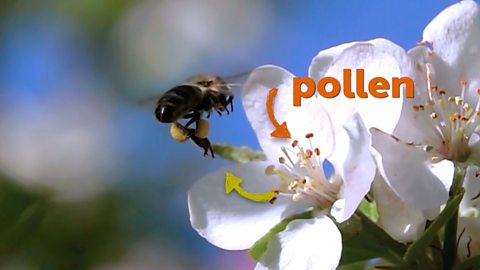
This short film explains how plants change over time, as well as the clever ways they reproduce.
How does sound travel? video
This short film explains how sound travels through air. We investigate how sound is transferred through materials and the role that molecules have in this process.