The human body is amazing. It can come in all shapes and sizes. But, what is the body made up of? Well, let's find out by making one, shall we?
Most human bodies are made up of the same parts.
Everybody has a skeleton. It's all your bones connected together. It helps support your body and this also protects the organs that are inside you.
Organs are parts of your body that do really important jobs.
Lungs are for breathing and bringing oxygen into your blood.
The liver cleans your blood as it flows around your body.
Kidneys filter your blood.
The heart pumps blood around your body, bringing oxygen to every part.
And your brain, well, it allows you to think and control your movements.
Ah. Hello!
Humans have five senses: sight, smell, hearing, touch and taste. These help you to understand the world around you.
Each sense uses a different part of the body:
Your eyes allow you to see;
Your nose allows you to smell;
Your ears allow you to hear;
Your skin allows you to touch;
And your tongue allows you to taste.
Some bodies need a little help to make them work their best.
Glasses, for example, can help you see better.
Hearing aids improve hearing.
And wheelchairs help some people to move around.
We are all different and wonderful. No two bodies are exactly the same, but it's all the parts of your body working together that make you, you.
Video summary
This animation takes KS1 pupils through the five senses and all the organs of the human body, showing how we are all different and yet the same in many ways.
It names the main organs and explains what these do to keep humans alive.
It explains that some bodies may need a little help to make them work their best.
Teacher Notes
This short film is an ideal tool to help pupils to explore what their body does and what it looks like, from the ‘inside’.
It is useful to help the pupils to understand the concept of the senses.
It can be used to pose questions about what different body parts do and for pupils to match these body parts onto the body to understand further their location.
Points for discussion:
- What is a human body?
- What are organs?
- What do the organs do?
- What are senses?
- Which senses do we use the most?
Suggested activities:
After watching this short film, you could work with pupils to identify the locations on the human body of the main organs. They can also explore what these organs do and how they impact on our daily lives.
You could explore the senses with the pupils and engage in activities to look at how important each is, such as engaging in disability sporting activities to highlight this with the pupils.
Pupils can investigate how their organs respond to things such as exercise, a raised heart rate for example, and then make predictions how this will change over time.
This short film is relevant for teaching science at KS1 in England and Wales, Foundation and KS1 in Northern Ireland and Early and 1st Level in Scotland.
Keeping my body healthy. video
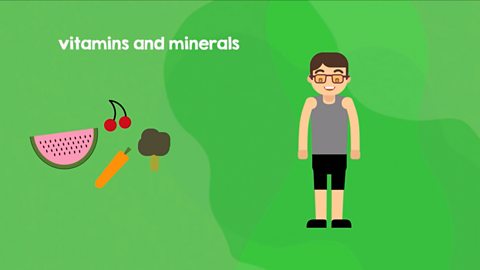
This animation explains the importance of eating well, drinking water, and getting enough exercise and sleep.
Animal life cycles. video
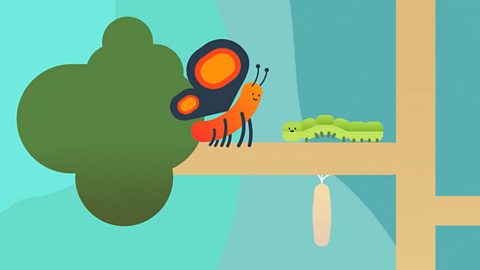
This animated film shows the life cycle of a butterfly and a frog, and takes us through the human life cycle.
The food chain. video
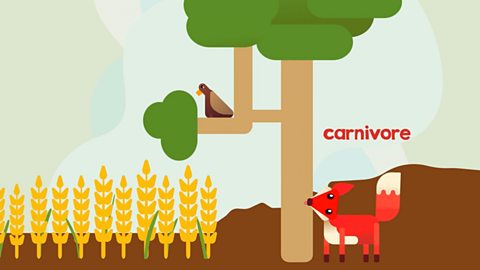
This short film for KS1 pupils describes food chains, explaining what consumers and producers are, and what can happen if a food chain is disrupted.
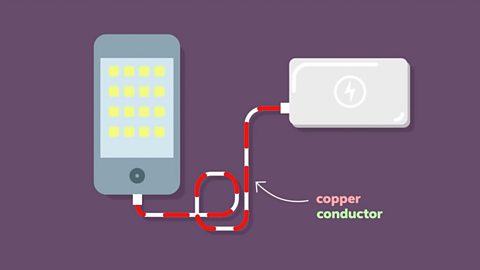
Conductors and insulators. video
This short film introduces pupils to conductors and insulators. It investigates how heat and electricity are transferred or not through different materials and illustrates the role that molecules play in this process.
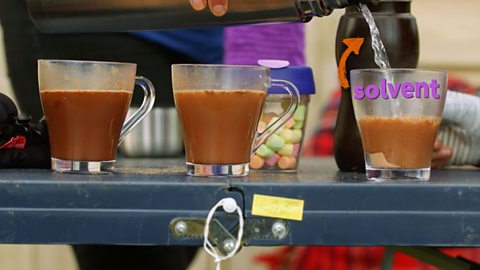
Solutions. video
In this short film we investigate solutions and how they are formed. We explore how two substances combine to form a solution and what their properties are.
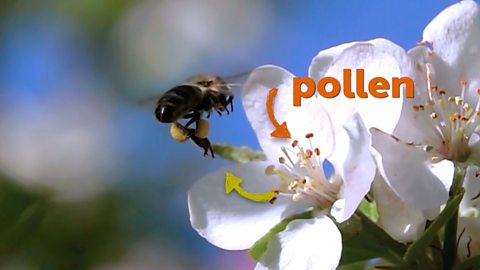
Plant life cycles. video
This short film explains how plants change over time, as well as the clever ways they reproduce.
How does sound travel? video
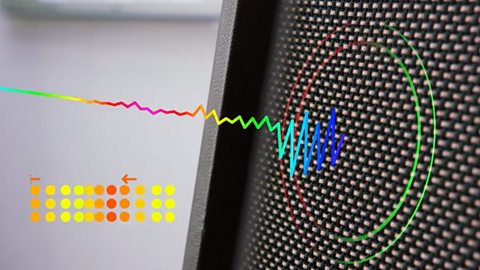
This short film explains how sound travels through air. We investigate how sound is transferred through materials and the role that molecules have in this process.