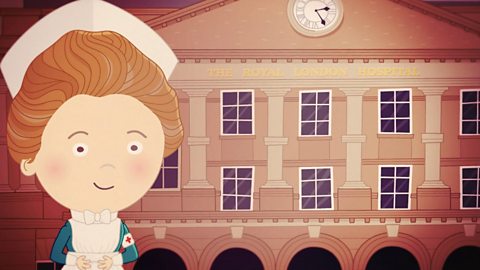
Wilfred Owen, war poet. Wilfred Owen was born in Shropshire in 1893. At school, he liked drama and poetry and started writing his own poems when he was a teenager. He worked as an assistant to a vicar and later moved to France to work as an English teacher.
When war broke out, Wilfred was still in France. He saw many injured soldiers and did not like what war had done to them. Wilfred wanted to help. He went back to England to join the Army and became an officer.
In 1917, Wilfred was hit by an explosion in France, and his best friend was killed. Wilfred was upset by his experiences and suffered from shell shock. He was sent to hospital in Edinburgh to recover. Whilst in hospital, he met another poet called Siegfried Sassoon, who helped him with his poetry. Wilfred began writing poems about the horrors of war.
Wilfred returned to fight in France. He was killed by German machine gun fire just before the war ended. At the time, people thought that Wilfred's poetry was unpatriotic. Later, they realised that his poems were more about the sadness of war and loss of life. In 1989, an association was set up to celebrate his life and poetry.
Wilfred Owen wrote poems about the horrors of war from his personal experience while serving in the British Army in France during World War One.
He demonstrated his love of writing from an early age throughout his school life and into a career as an English teacher in France.
When he saw for himself the effects that war had on people, he enlisted to help the war effort.
After being hit by an explosion in 1917, which also resulted in the death of a close friend, he suffered shell shock and was sent to recover in Scotland.
During this time, he wrote poems about the horrors of war, considered unpatriotic at the time.
Later, people understood that his poems spoke of the sadness of war and lives lost.
He returned to fight in France but was killed a week before the war ended.
The Wilfred Owen Association was set up in 1989 and celebrates his life and poetry.
Teacher Notes
Use Dulce et Decorum Est to cover techniques such as rhythm and rhyme in poetry as well as themes around the poetry of war and conflict.
Pupils could use the same poem to think about writing a diary from the trenches to help them think about their senses and feelings. Paul Nash’s no-man's land paintings can stimulate their imaginations further before they write the diary.
Curriculum Notes
This animation is suitable for teaching History at Key Stage 2 in England, Wales and Northern Ireland, and at 2nd Level in Scotland.

Attacks by the sea. video
An animation about an attack that targeted key parts of the British coastline and the impact it had on one town.
Life in the trenches. video
A look at what life was like in World War One for soldiers on the front line and the conditions that they had to live in.
Animals during World War One. video
Animals were key to the success of World War One and this article explains why.
Methods of transport. video
This animation looks at why the various methods of transport were important and how they were used during World War One.
Edith Cavell. video
Find out about the life of Edith Cavell and how her bravery makes her a World War One hero.