Please always refer to the latest government advice before booking travel and departing on any trip.
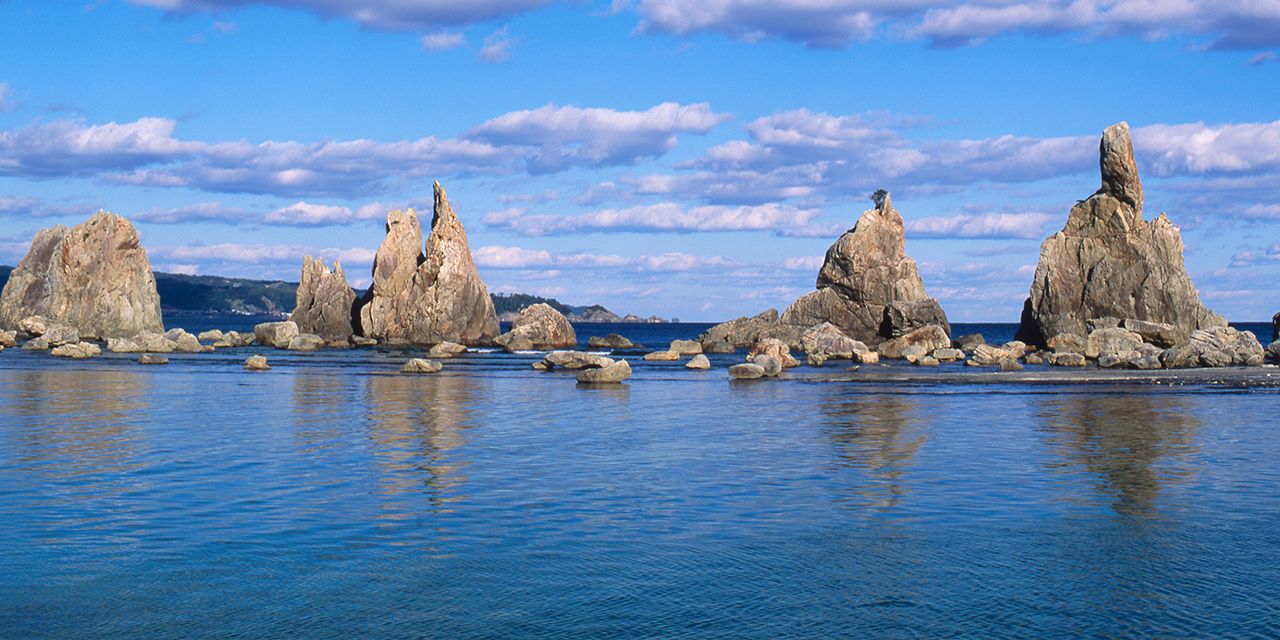
Hit the beach and unwind in hot springs in two of Japan's seaside towns, Shirahama and Kushimoto.
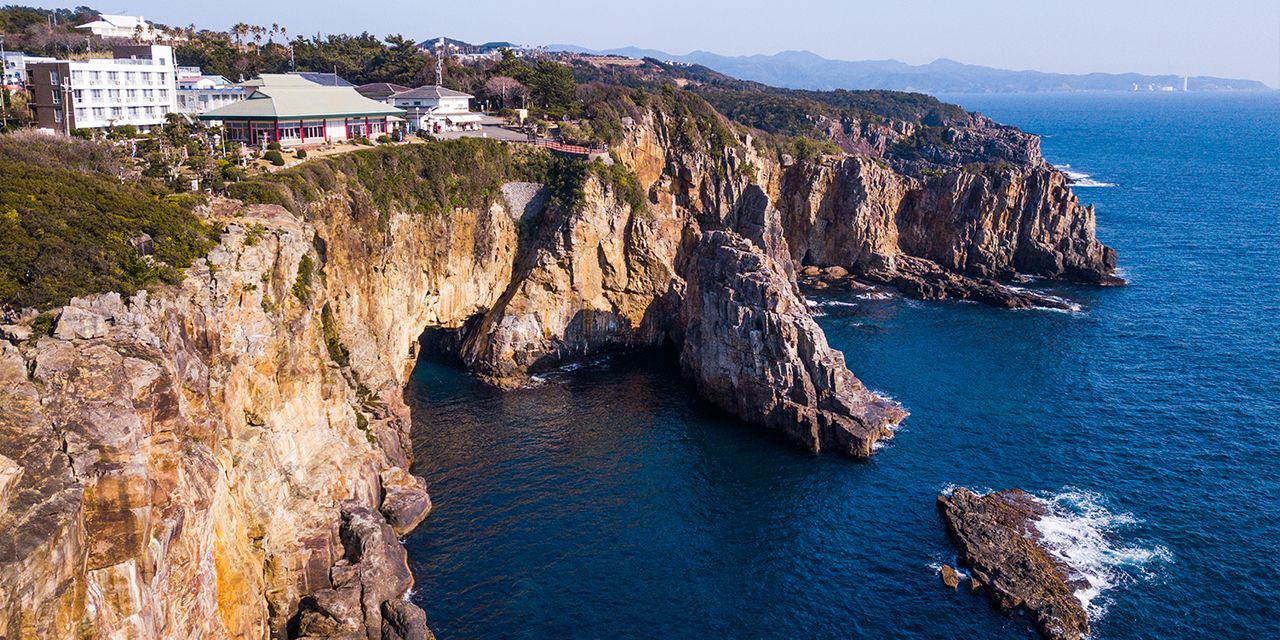
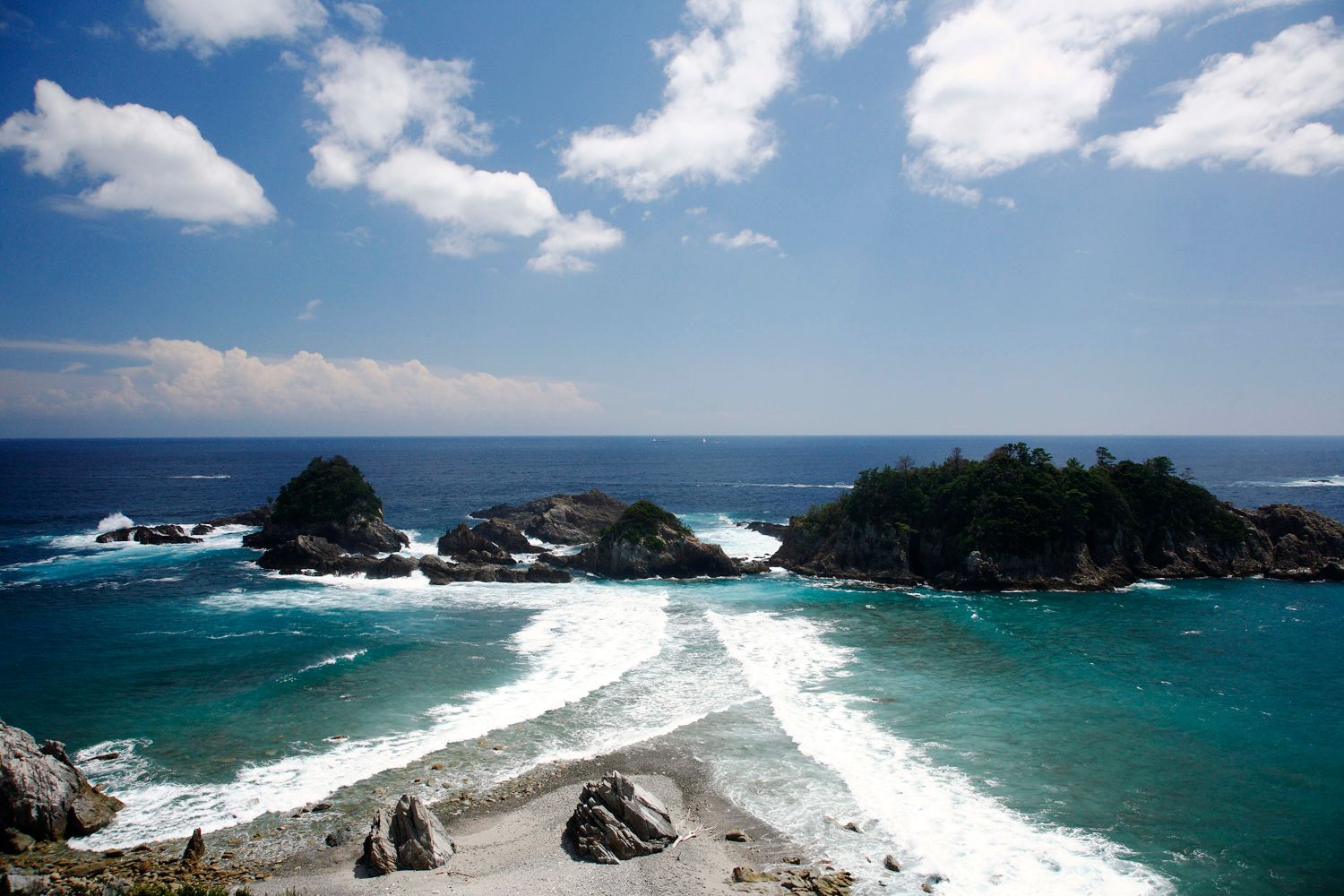
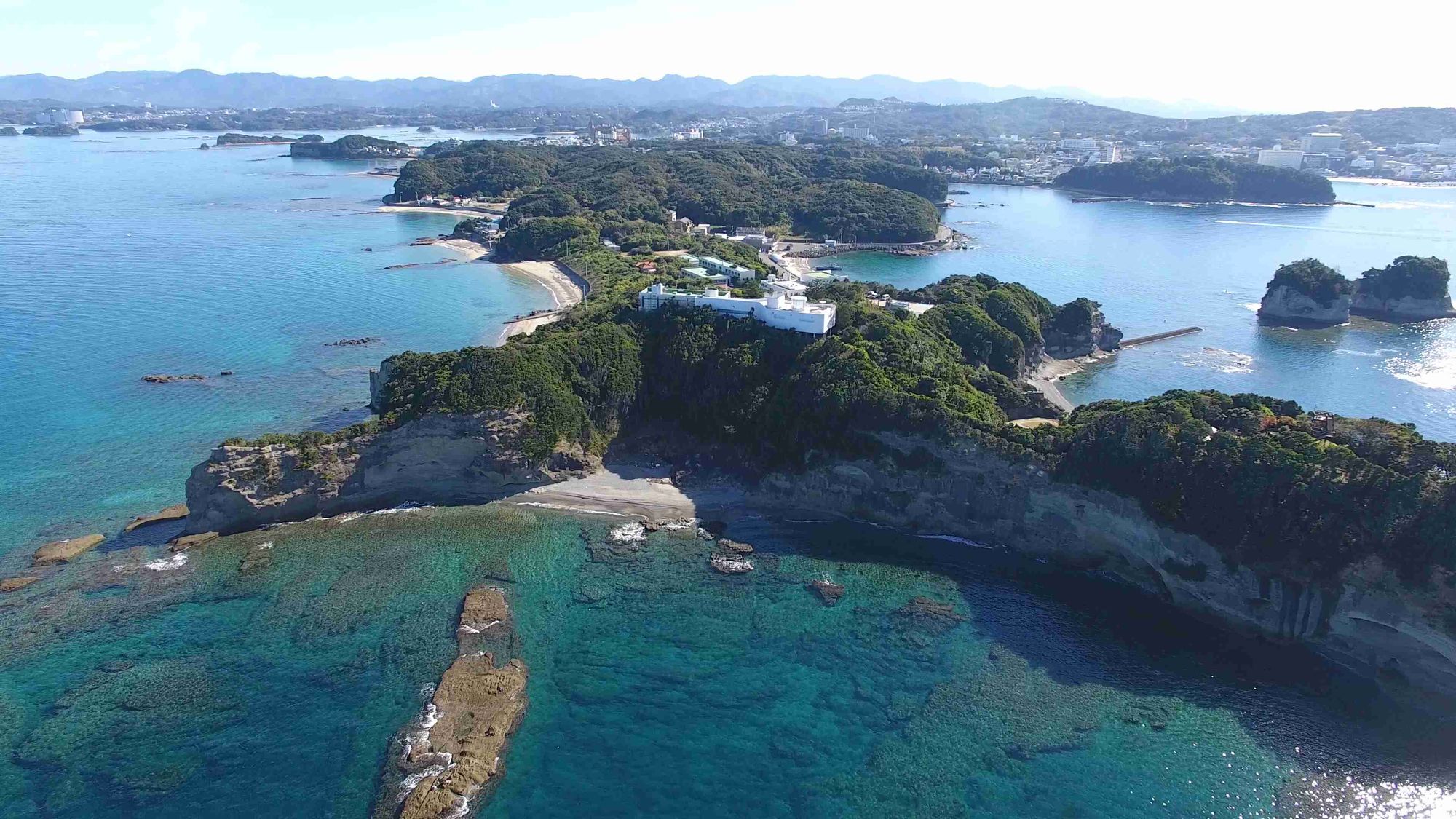
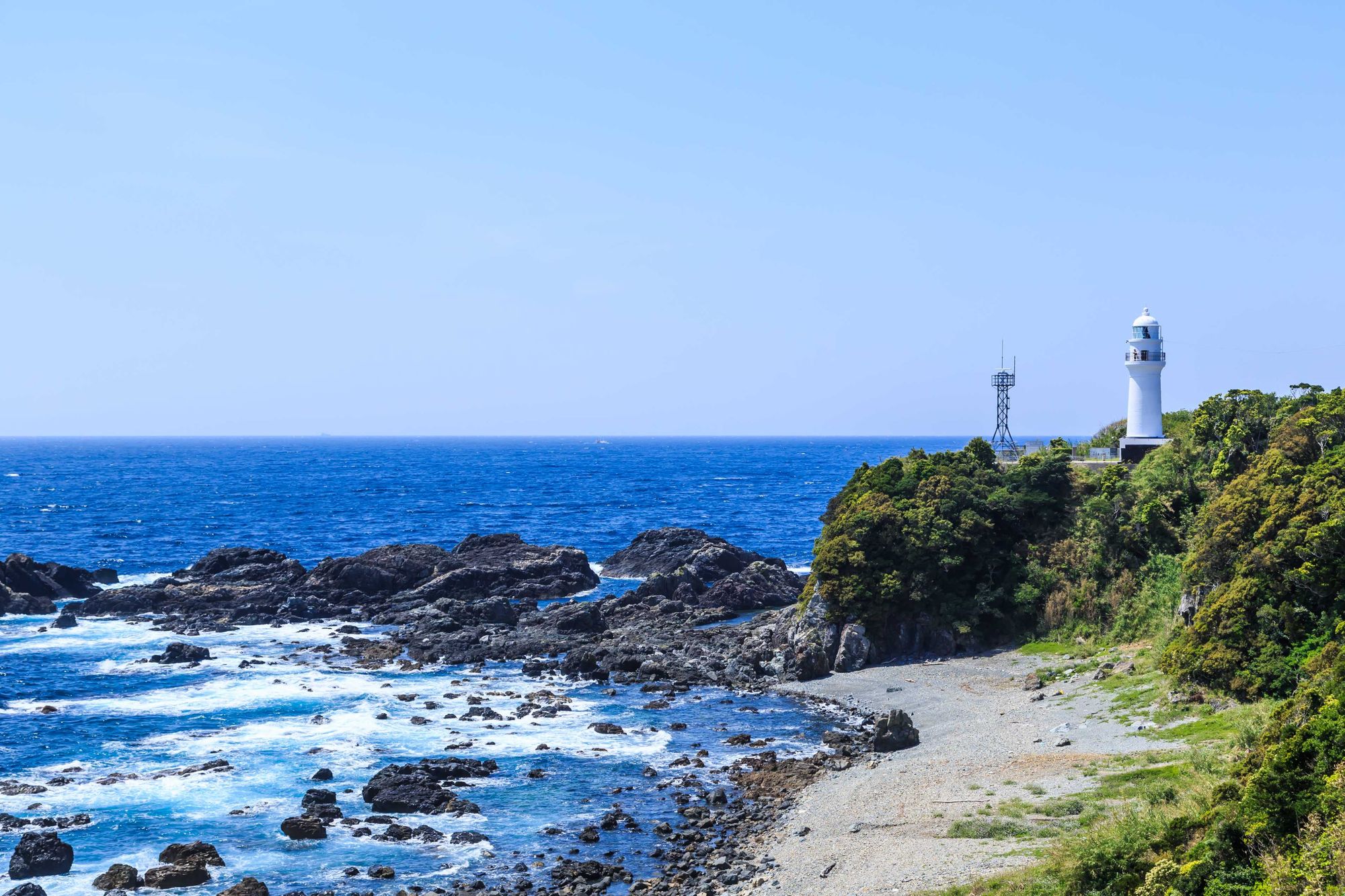
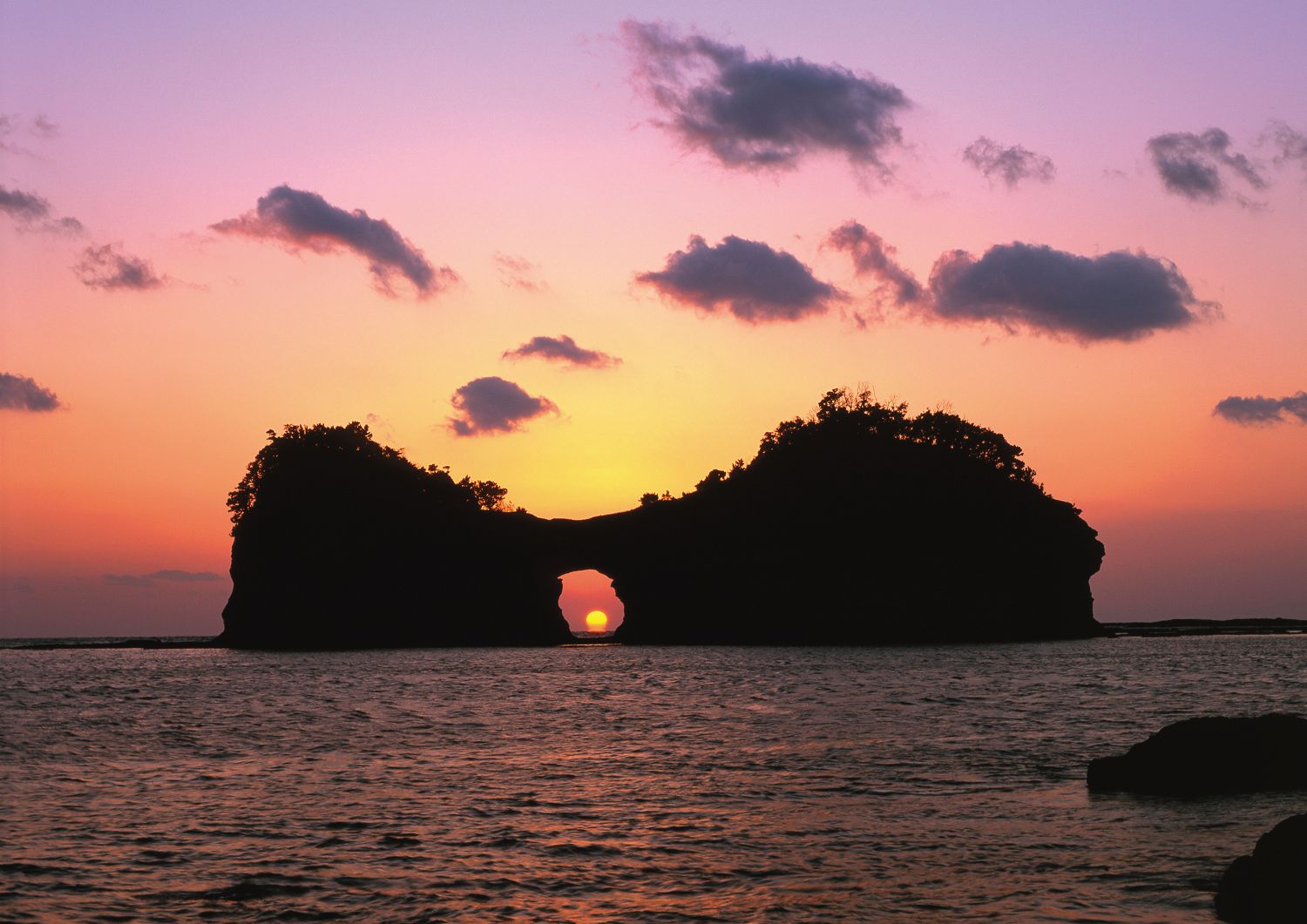
The small towns of Shirahama and Kushimoto, 50km apart on the coast of Wakayama Prefecture, are a slice of Japan well and truly off the beaten path.
Although only a short trip south of high-octane Osaka and the World Heritage temples and shrines of Kyoto, Shirahama and Kushimoto are a different world – ideal destinations for exploring pristine beaches and rugged shorelines, sea kayaking and cycling, and experiencing traditional Japanese culture, like ryokan inns and hot-spring bathing away from the crowds.
Where to start? It might not be the first thing you would think of doing in Japan, but in the lively resort town of Shirahama — population 21,000 — you could start on the beach. Similar to Waikiki Beach in Hawaii, the fine white sands of the town’s crescent-shaped beach are one of the most well-known stretches of sand in Japan’s Kansai region, popular with travelers who come to this part of Wakayama Prefecture to work on a tan, swim and unwind on the scenic coastline.
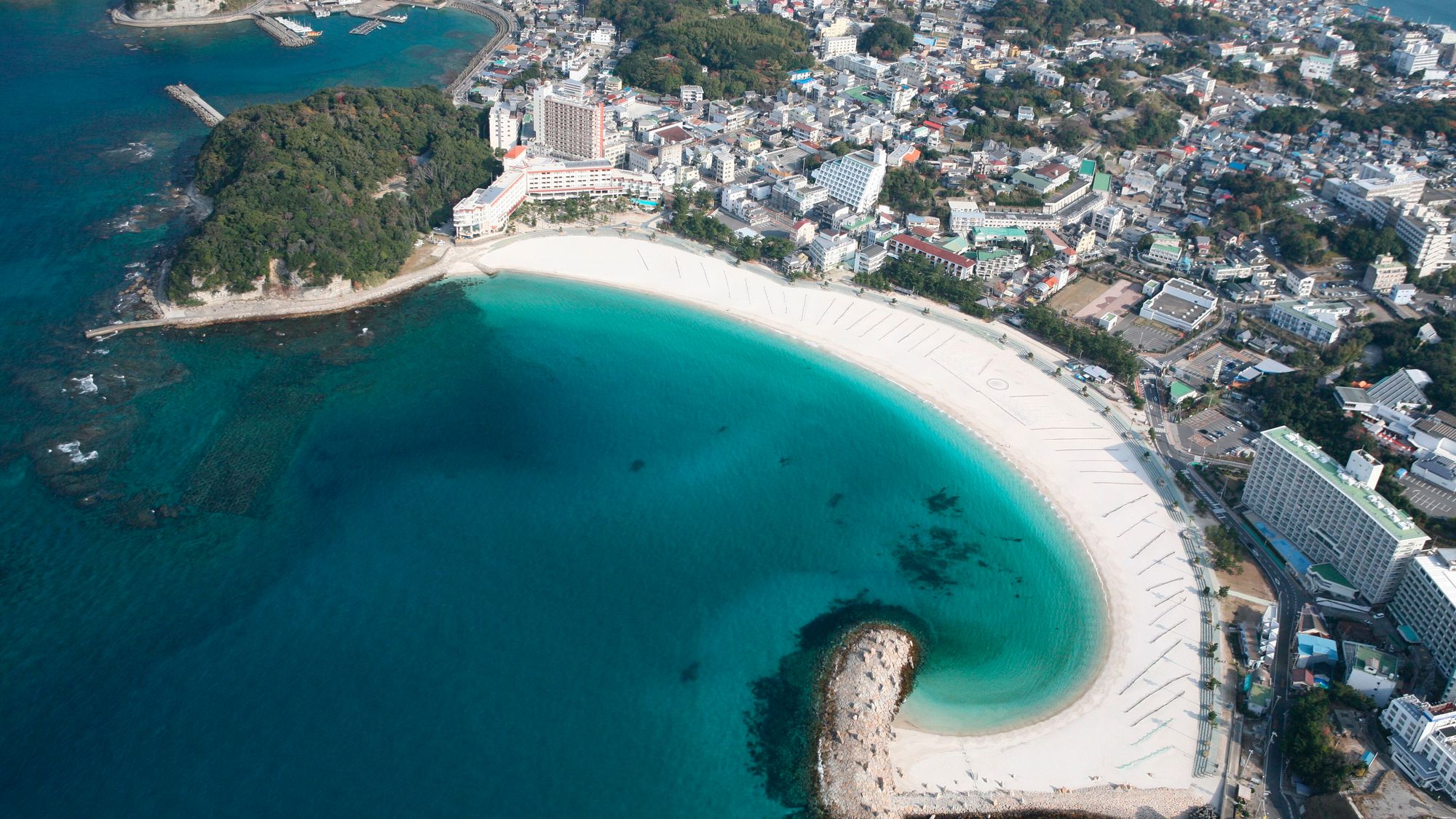 Shirahama Beach
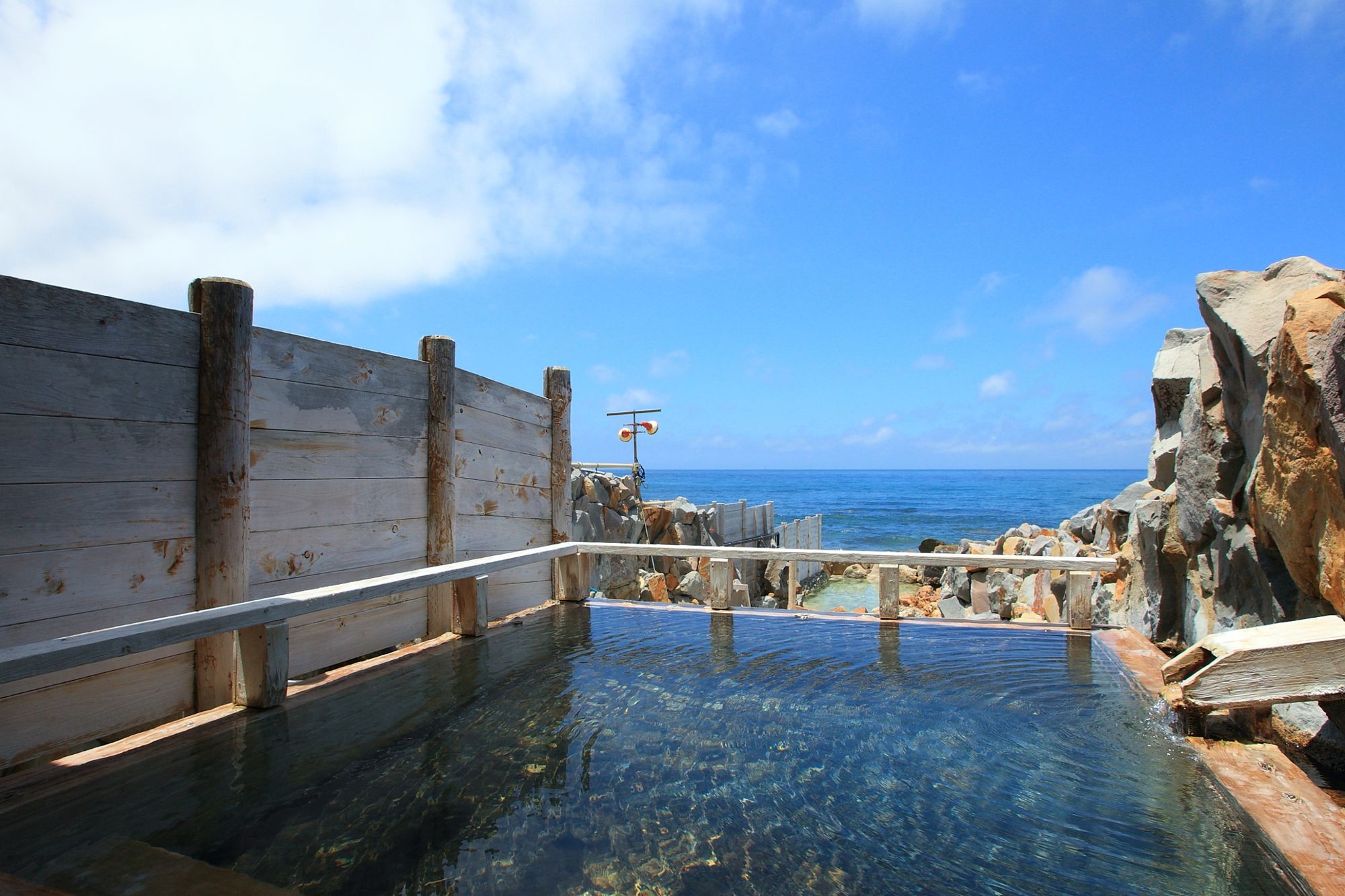
And to bathe. Another of Shirahama’s claims to fame are its mineral-rich, natural hot-spring baths, which are among the most historic in the country, having been mentioned in the 1,300-year-old Nihon Shoki chronicles of Japan. Spread around town are a collection of six gender-specific public baths like Saki-no-Yu, which has an oceanside outdoor rotenburo bath with sweeping views of the Pacific. There are even nine baths in Shirahama called ashi-yu, or footbaths – perfect for a quick stop while exploring to soak and soothe weary feet.
Just over an hour by train from Shirahama, on the southernmost tip of Wakayama Prefecture, the quieter Kushimoto — population just 16,000 — has a similarly scenic coastline. But where Shirahama offers relaxing hot springs, Kushimoto can also get your pulse racing. As sea-kayak instructor and beach-house owner Yutaka Aoki explains, Kushimoto is a great destination for outdoor enthusiasts, whether veterans or novices.
“We have a subtropical sea with coral communities that’s great for diving, snorkeling, sea bathing, sea kayaking, stand-up paddling and fishing,” Aoki says. “You can rent all the gear you need in Kushimoto and, for sea-kayaking, you can use very stable two-seat kayaks that anyone can go out in.”
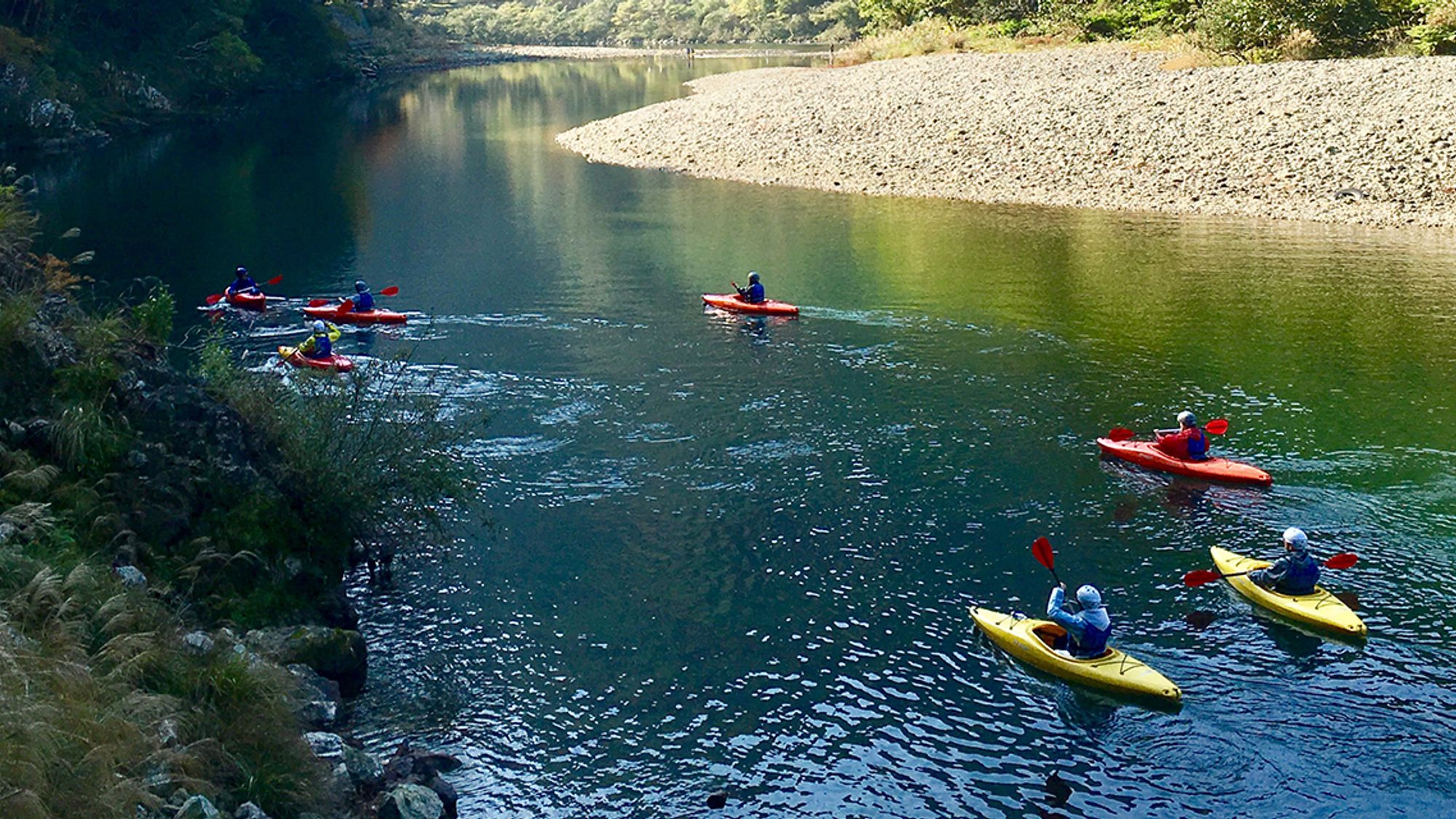 Sea-kayaking at Koza-gawa
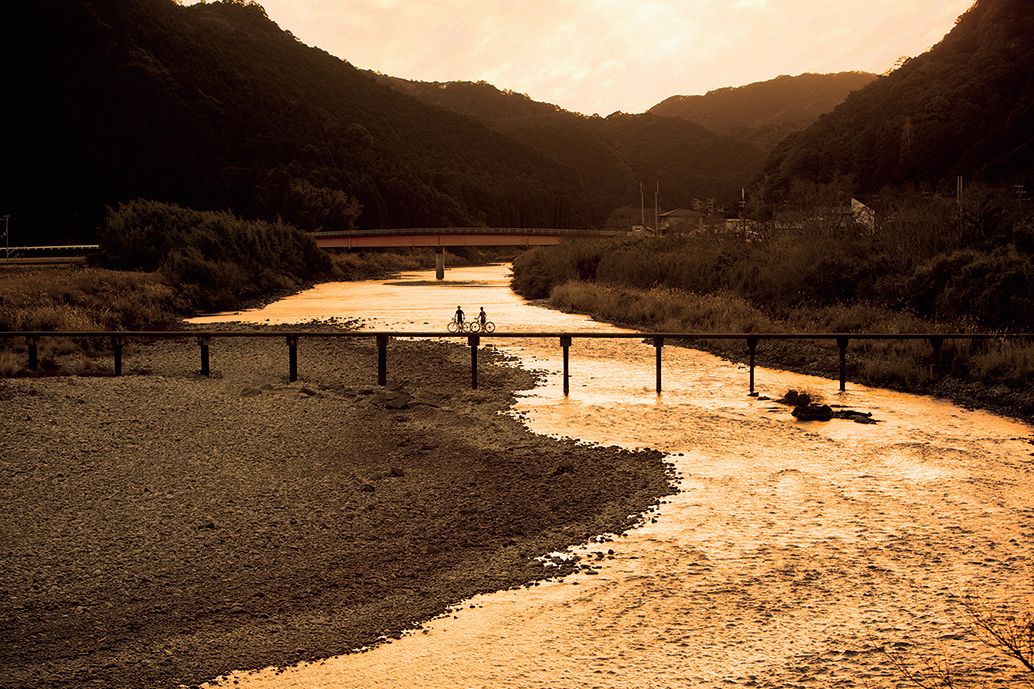
If you prefer dry land, Wakayama has that covered too, with cycling routes in and around both Kushimoto and Shirahama. You could rent a professional road bike (from the Hotel Seamore) or opt for a shopping bicycle with a basket to blend in with the locals – you can rent those, as well as battery-powered bicycles, at the tourist information centres in Shirahama, Kushimoto and other parts of Wakayama.
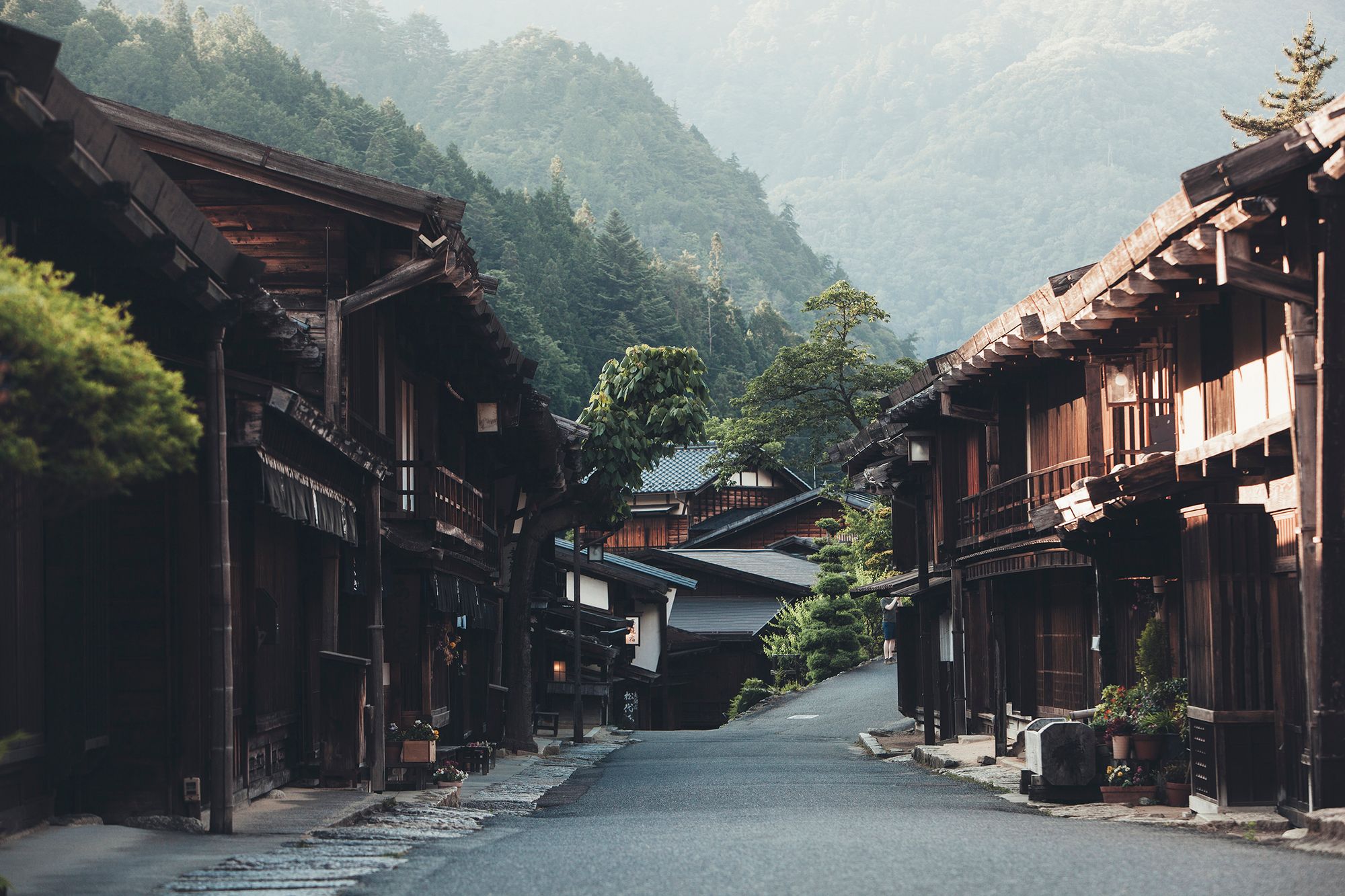
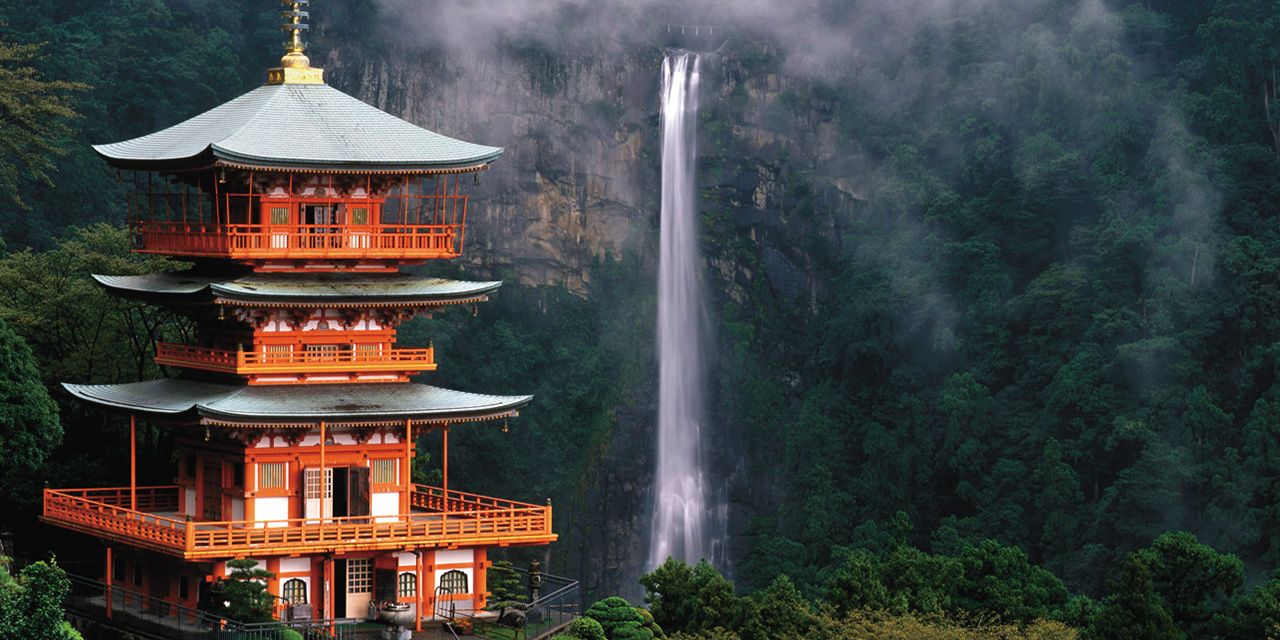
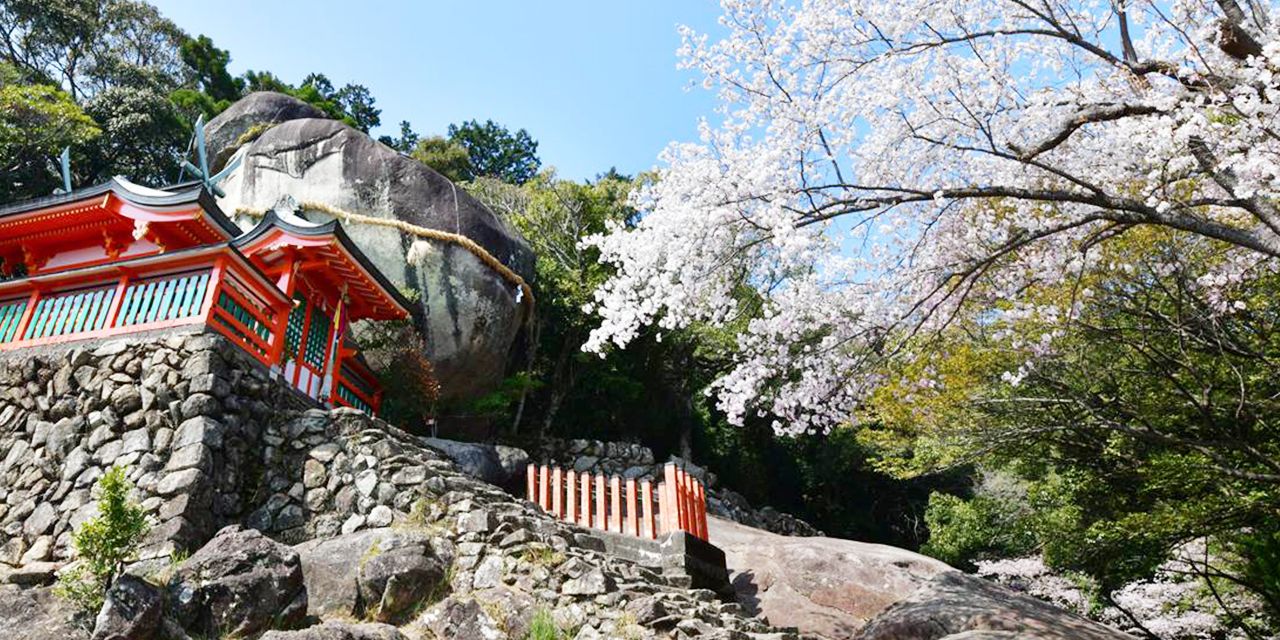
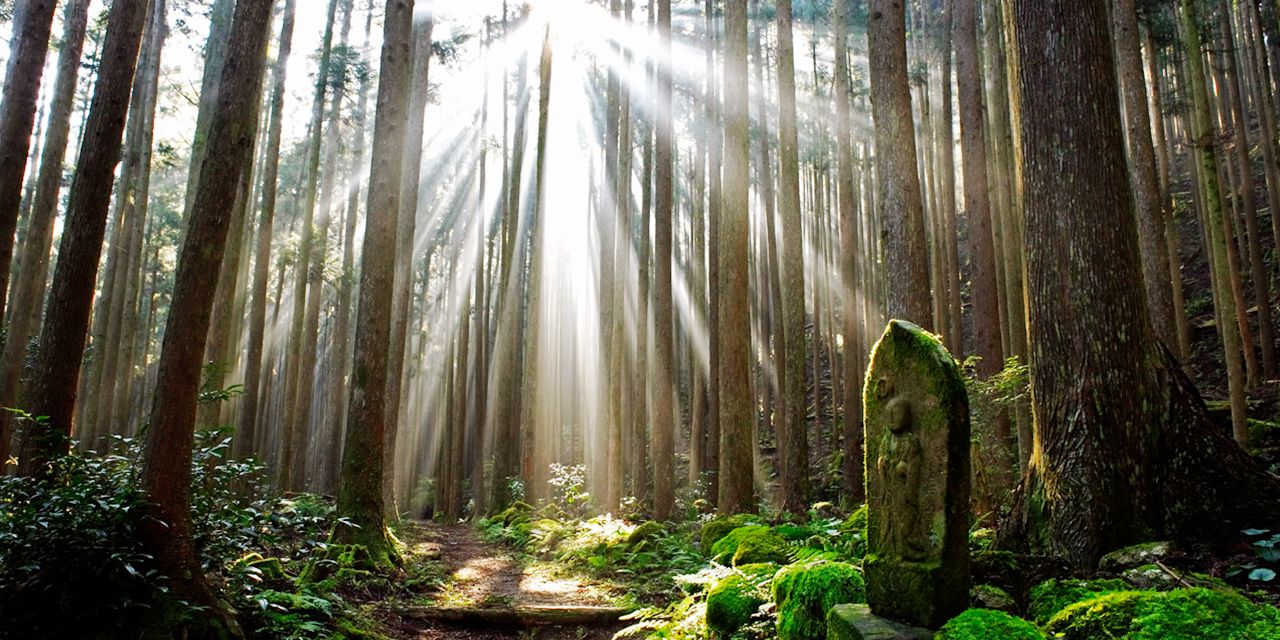
You could also keep your feet on the ground and head inland on the Kii Peninsula to trek the ancient pilgrimage trails of the Kumano Kodo. These lead to the three great Kumano shrines and the temples of holy Koyasan – staying at one of the temples there is a great option for vegetarians, as the monks serve traditional shojin-ryori vegetarian meals.
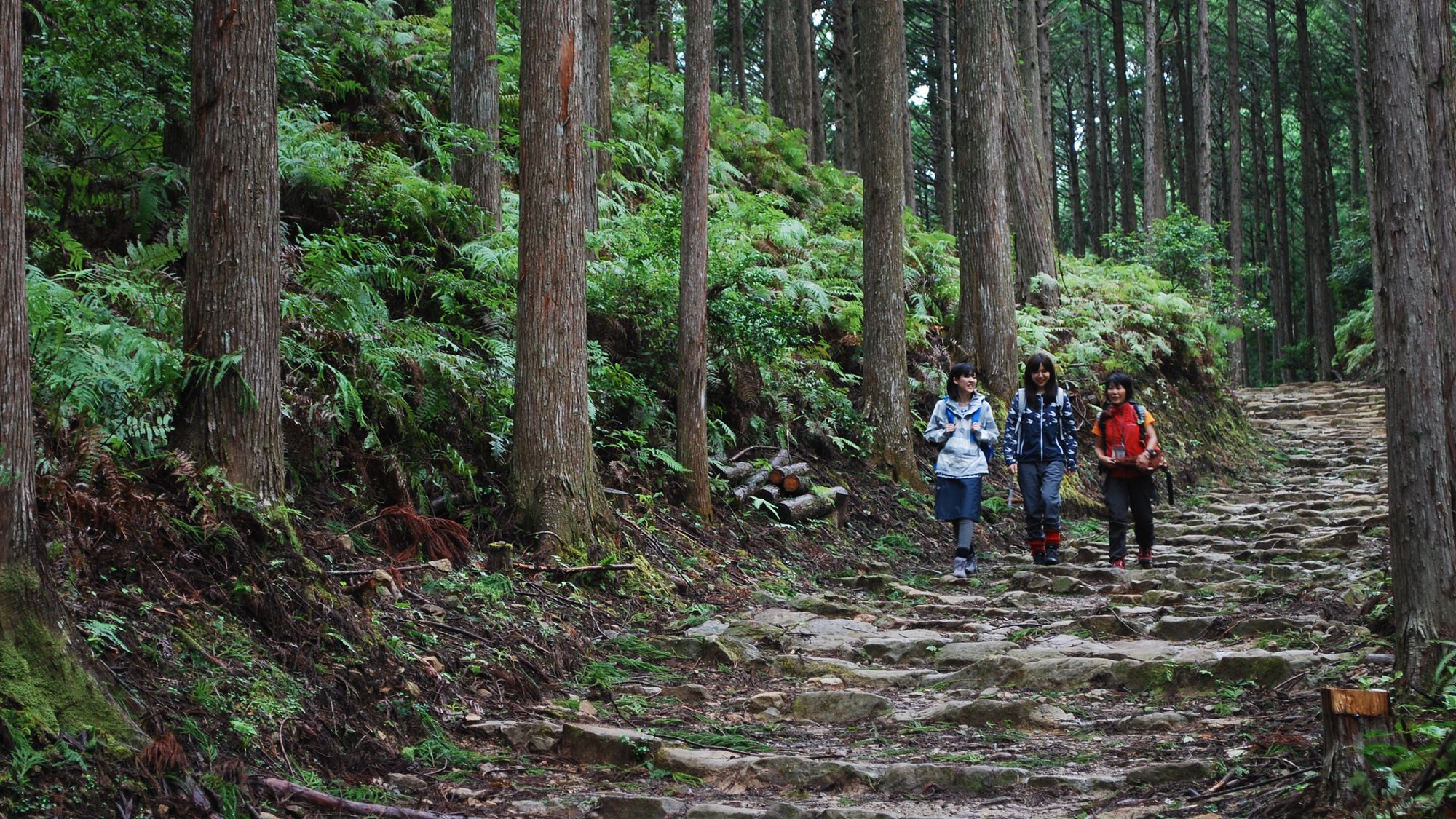 Trekking at Kumano Kodo
Local flavours and traditional accommodation
No trip to a foodie destination like Japan is complete without sampling regional flavours. In Shirahama and Kushimoto, take the advice of a local like Takamichi Katada, a former executive director of Shirahama’s hotel association, and try the seafood. In spring, Katada says the bonito that follows the Kuroshio ocean-current north is especially good raw as sashimi or eaten lightly seared, while the plump, locally caught grouper fish is ideal in winter hotpots.
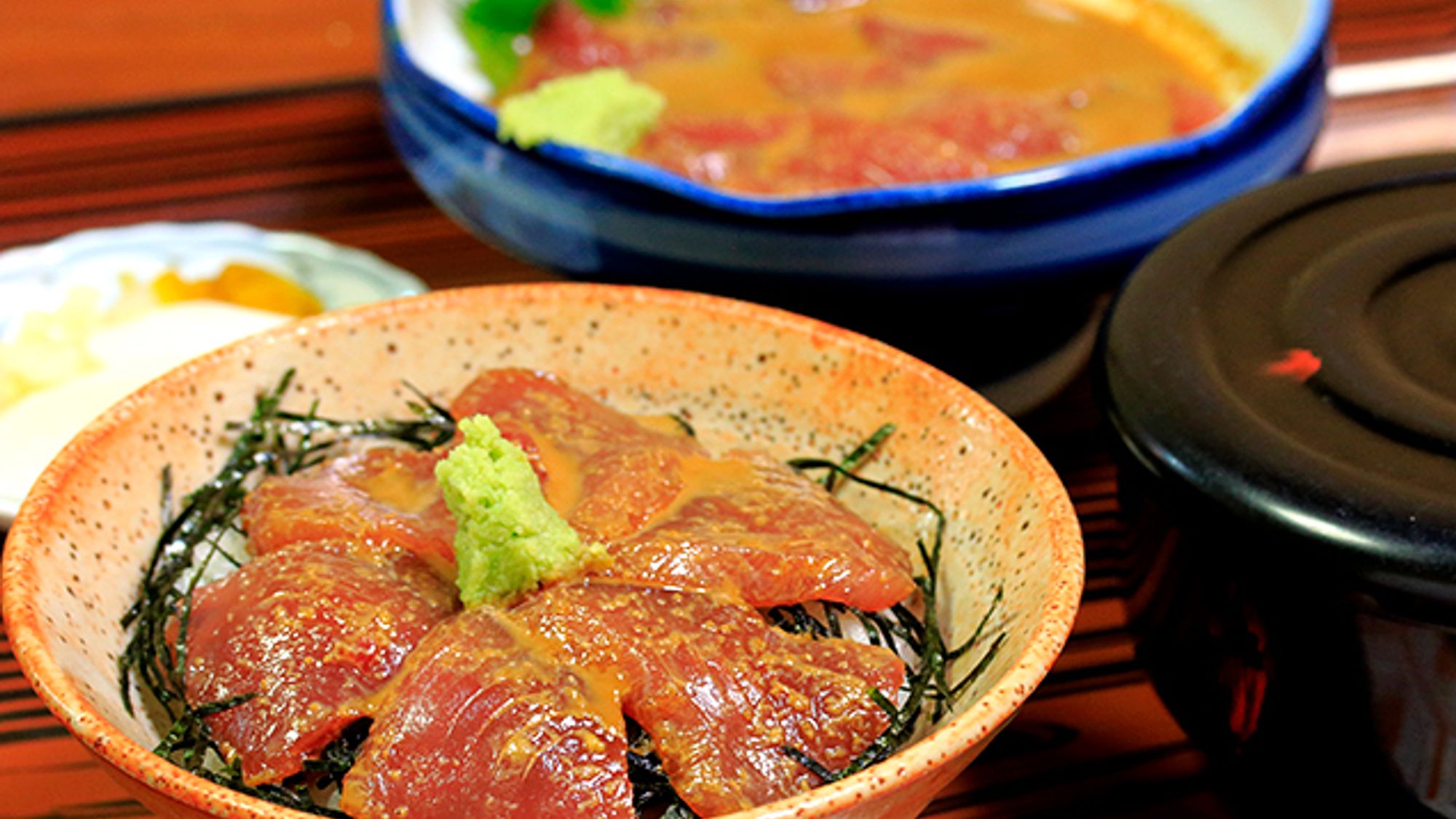 Bonito Chazuke
“There’s also a seaweed called hitohame (used in miso soup and hotpots) with a unique texture that’s soft but with a crisp bite,” Katada adds. “And caught in the Shirahama to Kushimoto area is a rare Maboroshi no Ise-ebi (Japanese spiny lobster), which is firmer and more expensive than normal Ise-ebi.”
Like the local seafood, Wakayama Prefecture is best enjoyed slowly, ideally with a night each in Shirahama and Kushimoto before heading off to explore Wakayama Prefecture’s other attractions. There are plenty of accommodation options in both towns to suit all budgets, from family-run minshuku guesthouses that can cost as little as 5,000 yen per person a night, to indulgent traditional inns called ryokan, where for upwards of roughly 15,000 yen per person guests can stay in tatami mat rooms and enjoy sumptuous multi-course dinners made with in-season local produce.
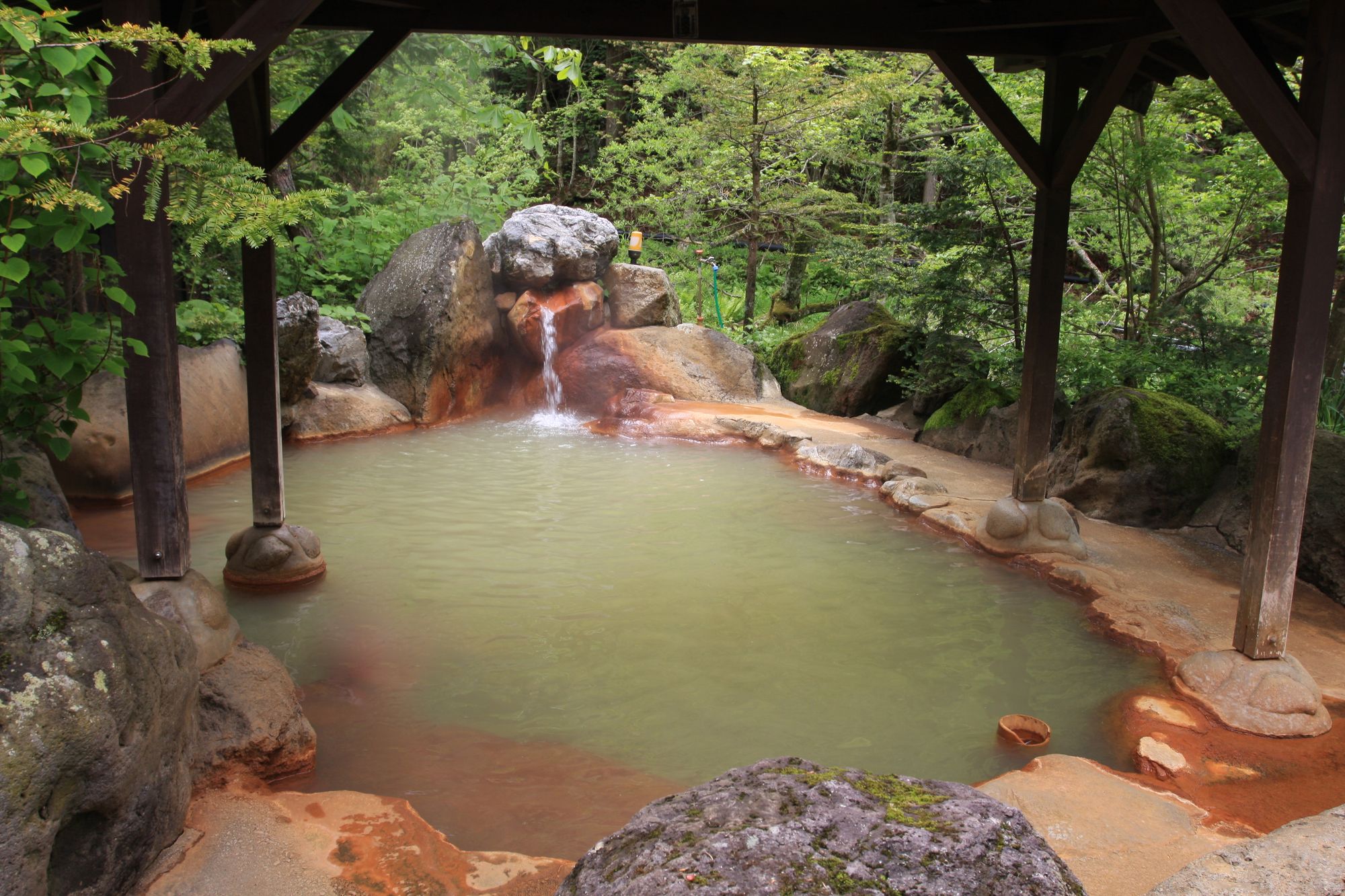
One great aspect of ryokan is that they have their own communal hot-spring bathing facilities, so you don’t need to leave your lodgings for a soothing onsen (hot spring) soak. If you are shy about stripping off with strangers to share a large communal bath like those in Shirahama, another plus is that some ryokan have private baths that can be rented by guests.
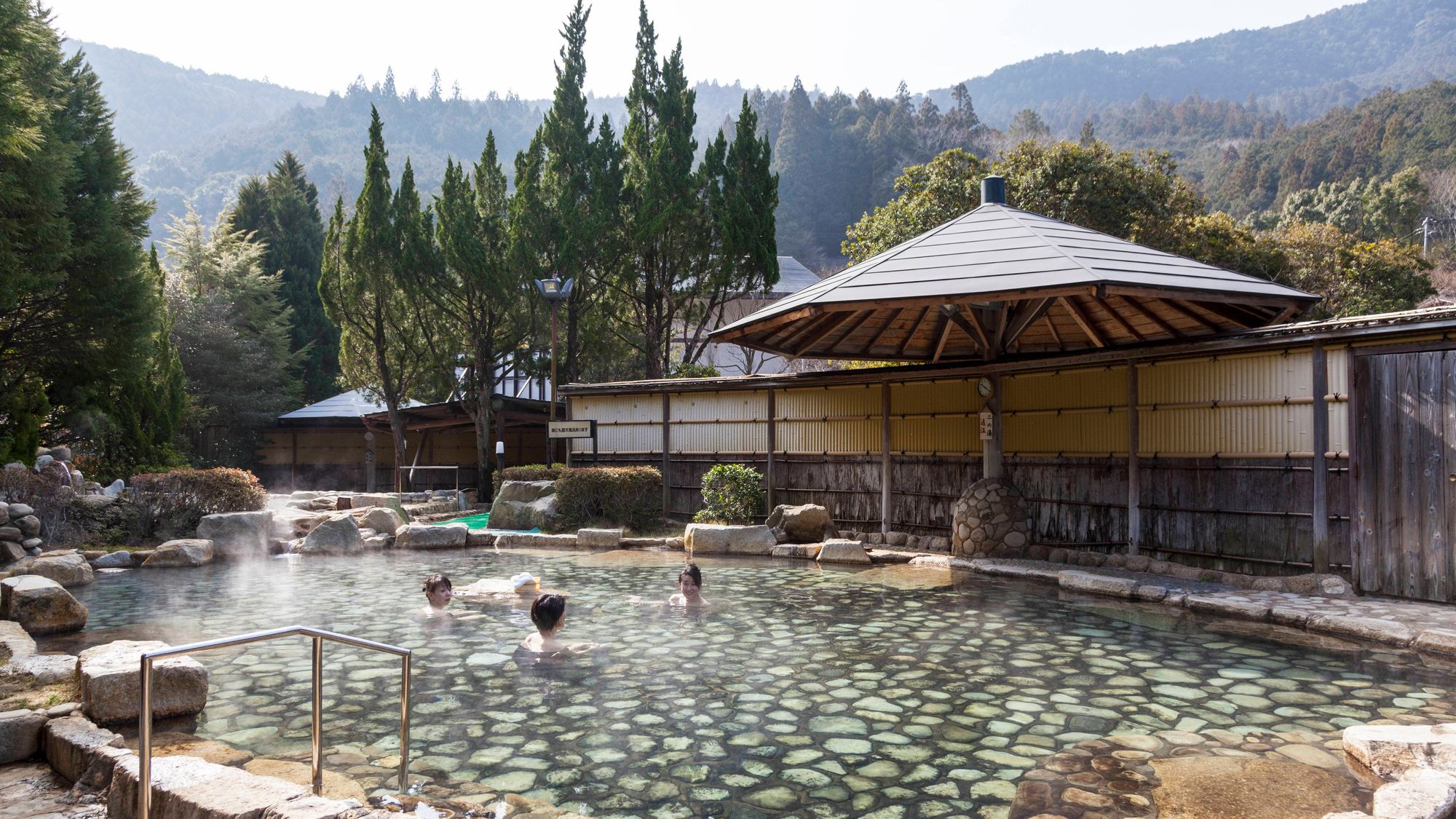 Wataze Onsen
What might come as a surprise is just how easy both Shirahama and Kushimoto are to access. For travellers flying into Kansai International Airport in Osaka, the two towns are two hours away by train or bus, while Nanki-Shirahama Airport, which is 15 minutes by bus from central Shirahama, means you are just a 75-minute flight from Tokyo’s Haneda Airport.
It’s only a short trip, but with relaxing hot-springs and traditional inns, a stunning coastline that delivers super-fresh seafood, and so many ways to be active outdoors, Wakayama is an entirely different Japan waiting to be explored.