Soaking in the mountains
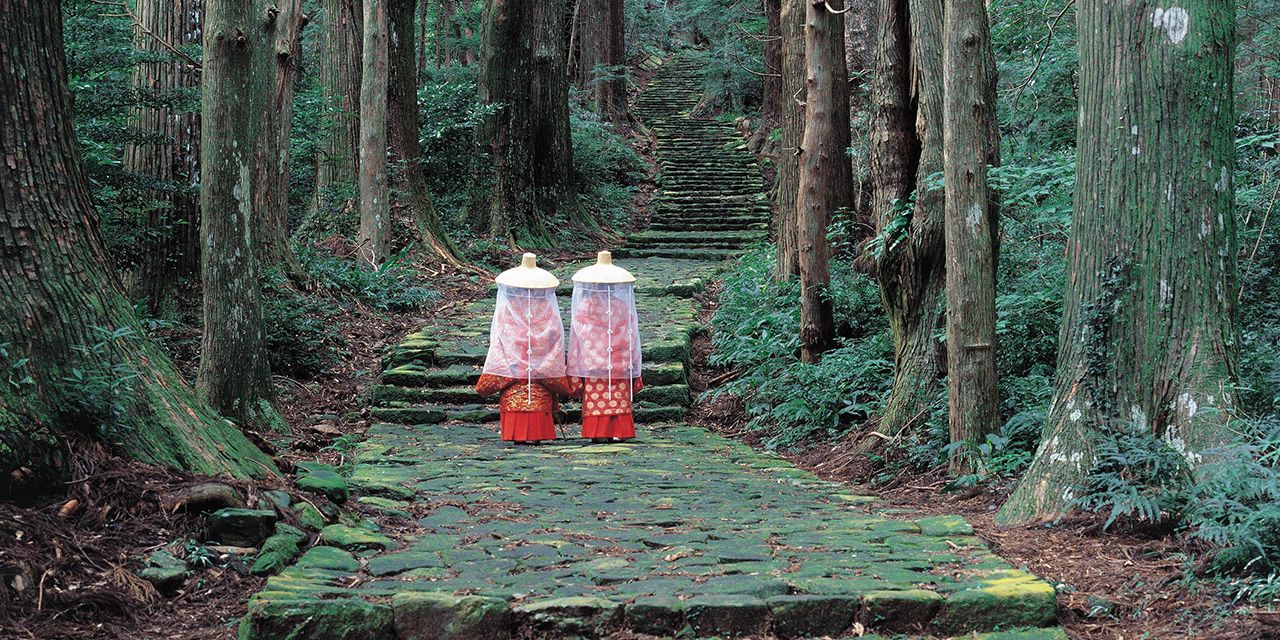
As ancient as pilgrimages, but far easier on the legs, hot spring bathing has been recorded in Japan for millennia. Even today, the many thousands of onsen (hot springs) across Japan play an important role in Japanese culture as places not just to unwind and soothe tired bodies, but also to socialise. Tucked away in the sacred Kii Mountains – and near the Kumano Kodo – Wakayama boasts a collection of rustic hot spring hamlets steeped in history.
Tracing its roots back about 1800 years, Yunomine Onsen once served as a rest stop for pilgrims o their way to the three great Kumano shrines. There, amid the new hot spring inns that now provide traditional pampering for modern-day travellers, the hamlet has at its centre the tiny Tsubo-yu bath – just big enough to fit two people – which legend has it once cured an ailing samurai.
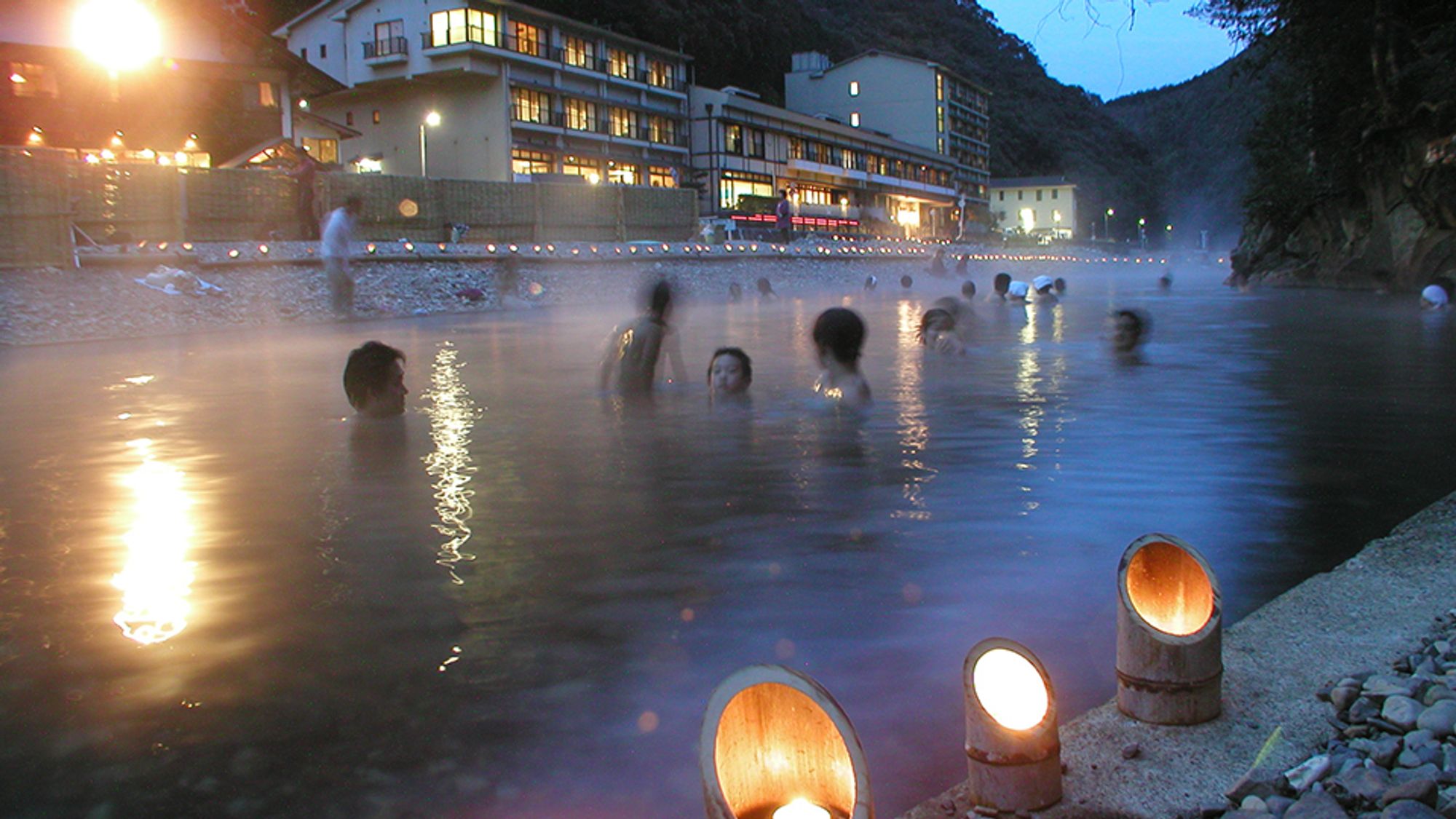
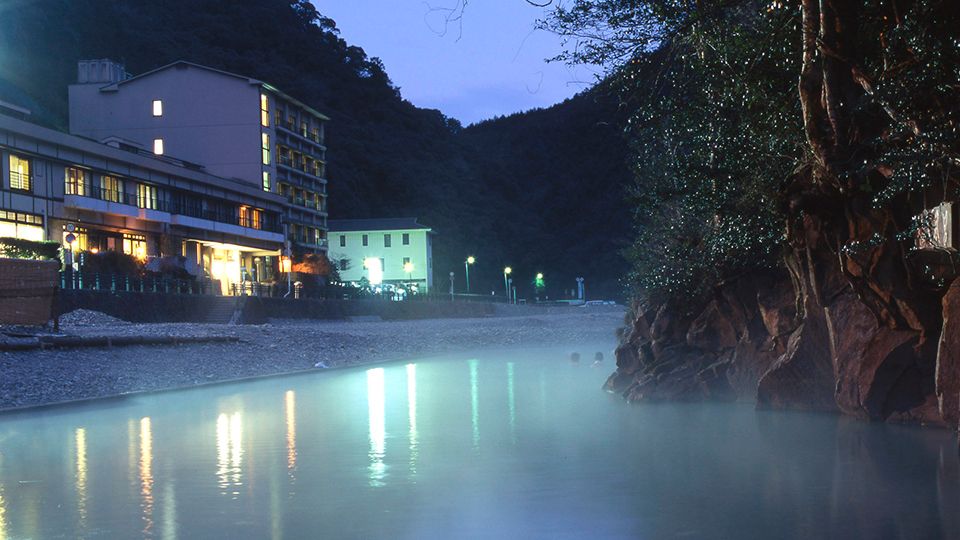
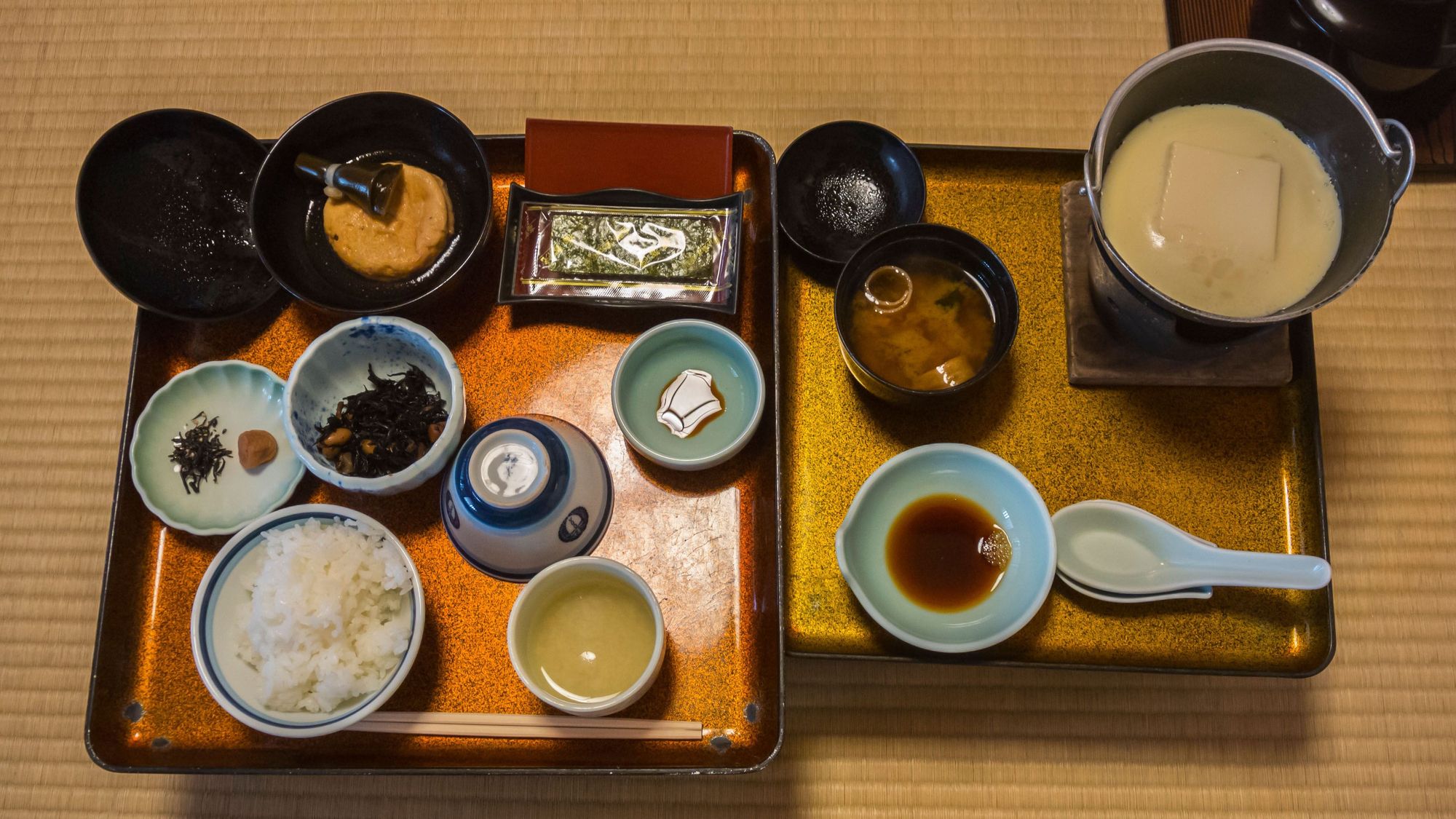
The nearby Kawayu Onsen is another hamlet perfect for experiencing a night at a traditional inn, or ryokan, where guests stay in tatami mat rooms with classical Japanese features such as sliding paper-screen doors and futon for sleeping, not to mention beautifully arranged multi-course dinners with seasonal ingredients. However, Kawayu’s star bath, the open-air Sennin-buro (December to February only) in the middle of the Otogawa River, is on an entirely different scale to Tsuboyu – it fits 1000 people. And unlike most communal baths in Japan, the Sennin-buro is an ideal option for the more reserved visitor as bathing suits can be worn here.