Please always refer to the latest government advice before booking travel and departing on any trip.
The Maldives is maintaining its trademark barefoot luxury even during Covid-19 – and demand for luxury experiences is set to rise once the pandemic ends.
A paradisiac archipelago in the Indian Ocean, the Maldives’ crystal waters, white sands and secluded hideaways have drawn luxury lovers and honeymooners for decades. And it was the first country in Asia to reopen to tourism during the pandemic, with private island resorts opening their doors to travellers as far back as July 2020.
Yet, with Covid-19 very much a live issue when it comes to travel, safety remains key. And the pandemic is actively reshaping how guests experience and desire luxury.
Distancing by design
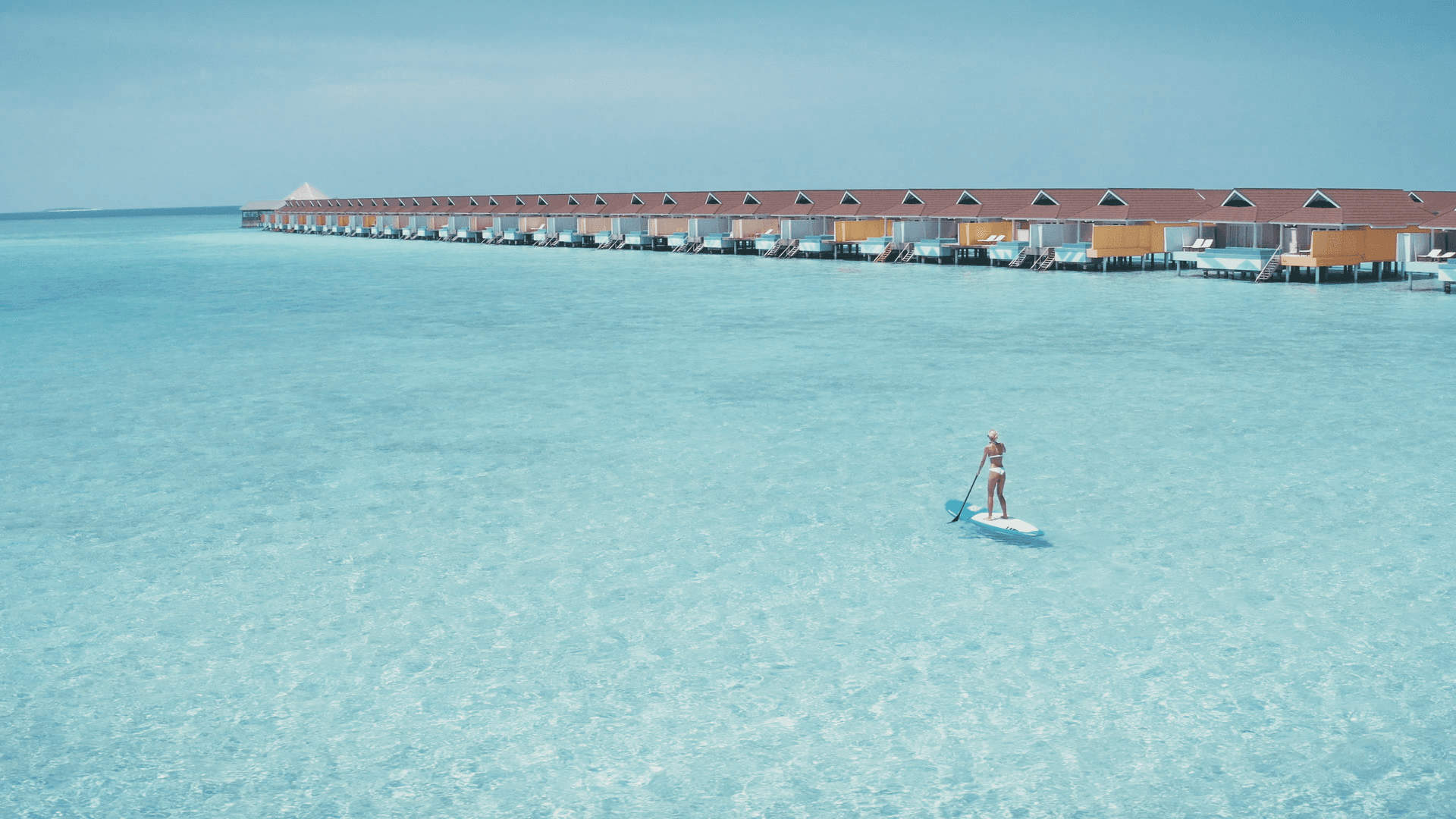
The Maldives’ airy style of barefoot, private island luxury makes infection control simpler than in many tourist destinations. While there are guesthouses and hotels on inhabited islands, most resorts occupy uninhabited private islands, with one resort per island, creating natural bubbles that are easy to monitor.
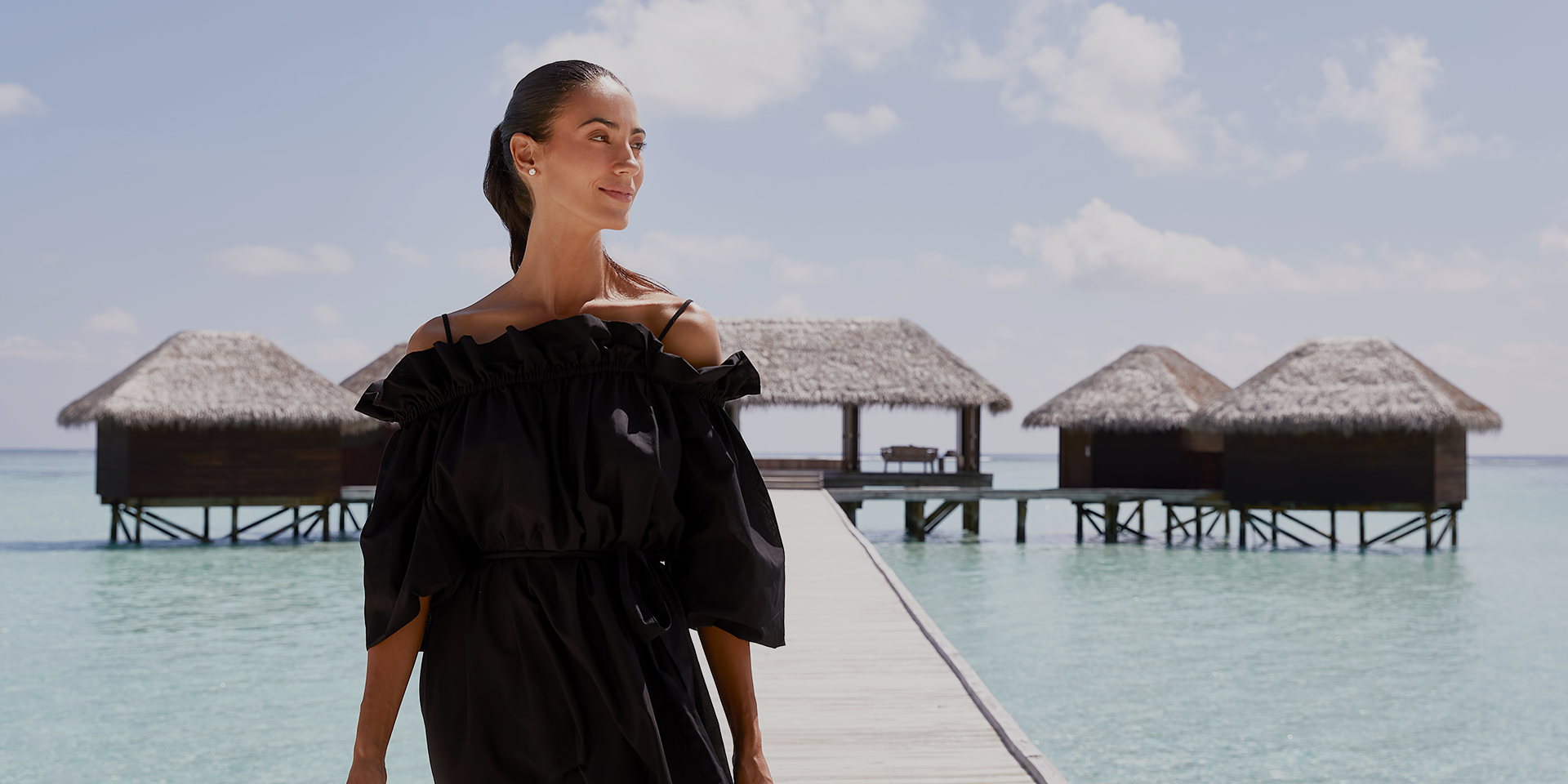
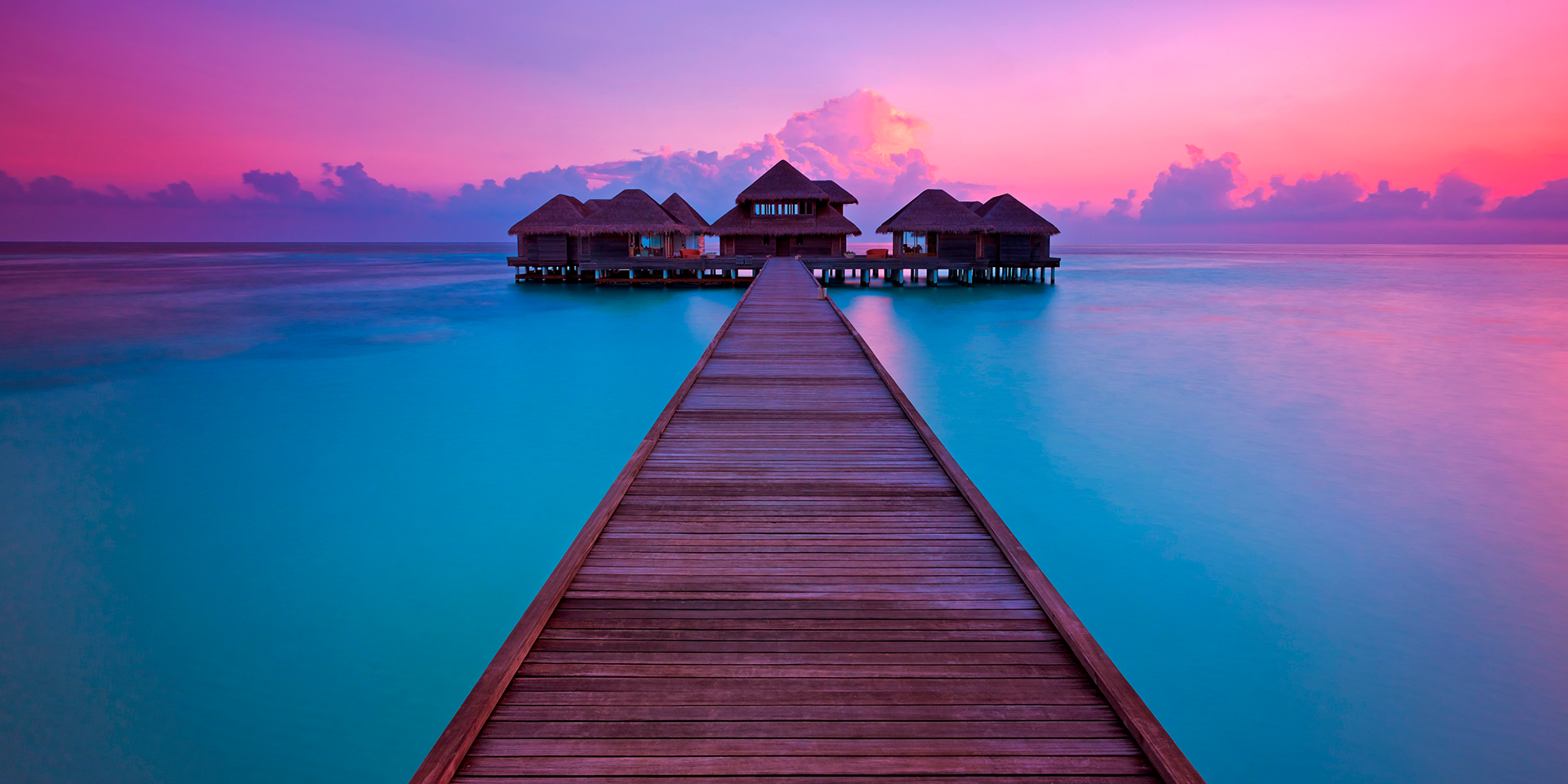
Tropical chic architecture helps, too. Public spaces, such as restaurants and lobbies, are pavilions open to the sea breezes for natural ventilation. Rooms are overwhelmingly standalone villas or bungalows, with open-air paths and promenades replacing the high-contact lifts and corridors that link rooms in conventional hotels.
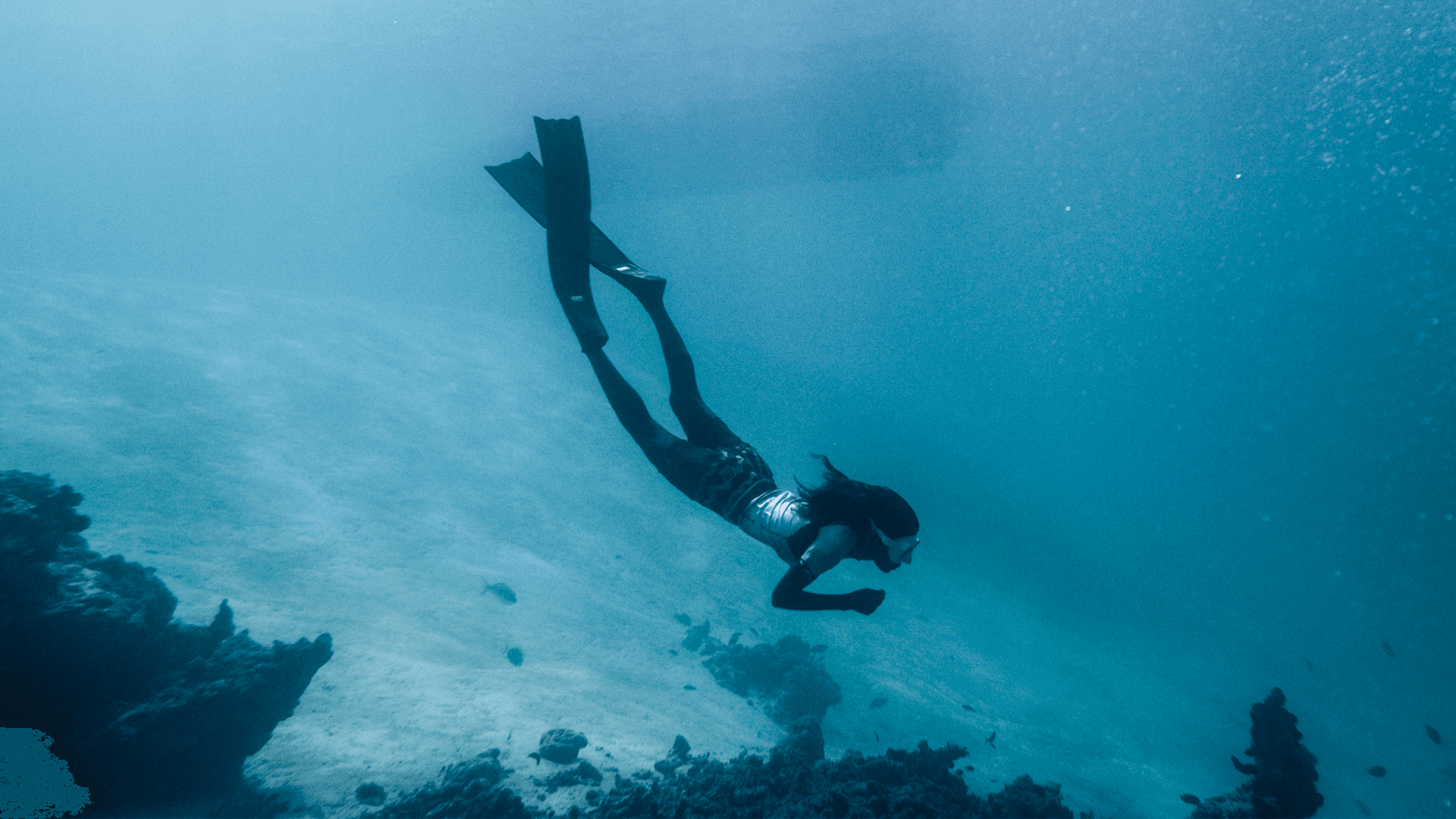
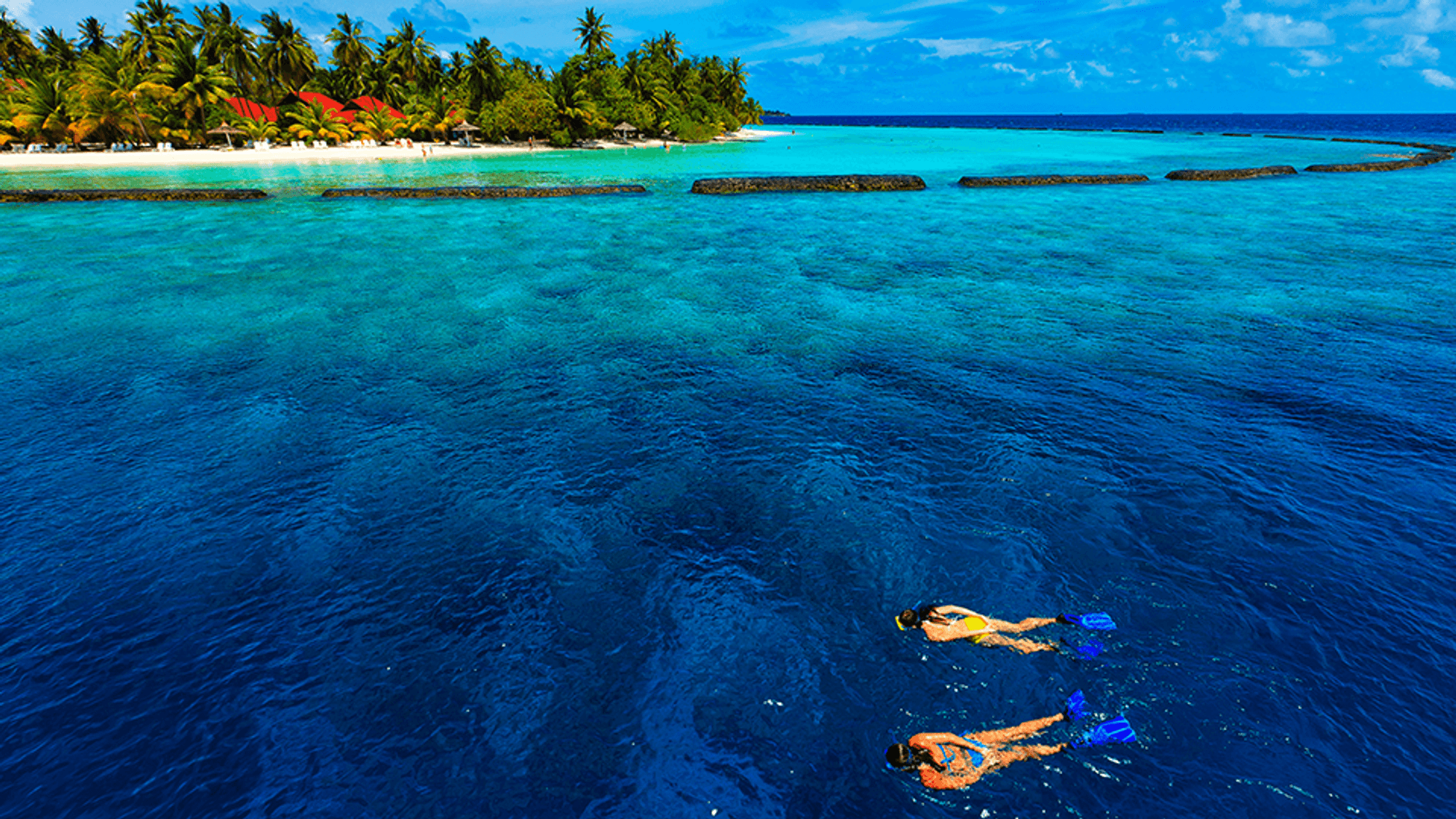
Andrew Jansson is general manager of the Maldives’ first resort, Kurumba, which opened in 1972. “The nature of our product, the layout of the villas, allows for natural social distancing across the island,” Jansson says. “Our guests prefer to enjoy the comfort and privacy of their bungalows, and spend most of their days at the beach, in the water and out snorkelling with sanitised equipment on our amazing house reef (the reefs available to divers close by). All of this equates to an unforced environment of social distancing.”
Which isn’t to say that resorts are neglecting Covid-19 safety. As well as standard precautions such as testing, masks, enhanced cleaning and social distancing, hoteliers are innovating. At Kudadoo Maldives Private Island, guests can use a mobile app for contactless check-in and check-out, as well as booking activities and excursions, planning their holiday, and communicating with their private butler. Grand Park Kodhipparu requires reservations for restaurants to ensure social distancing.
Staff training is essential, says Adam Shareef, housekeeping manager and Covid-19 compliance officer at Lily Beach Resort and Spa, who runs regular information briefings for his team. “Since staff are well-trained in Covid-19 prevention, they can then focus on guests’ needs without fearing for their own safety,” he says.
A desire for luxury
The stresses and strains of the Covid-19 era, and the challenges of travel during a pandemic, have combined to raise travellers’ expectations, says Katerina Antoniou, a lecturer in tourism at the University of Central Lancashire Cyprus. “Luxury travel will be at the forefront in post-pandemic trends,” she says. “Specifically, if it offers an opportunity for interpersonal engagement, for wellbeing, then luxury travel will be a popular choice, because it will meet high hygiene expectations, [as well as] expectations of wellbeing and self-development, and also provide opportunities for the human-oriented factors, engagement with people, that matter to travellers.”
When Chinese domestic tourism opened up, it was luxury travel that benefited most, while US luxury hotels saw a surge in demand in 2021. Many travellers, having gone without overseas holidays for a year or more, are prepared to spend more than they typically would, and splurge on a “dream”, often luxury, holiday.
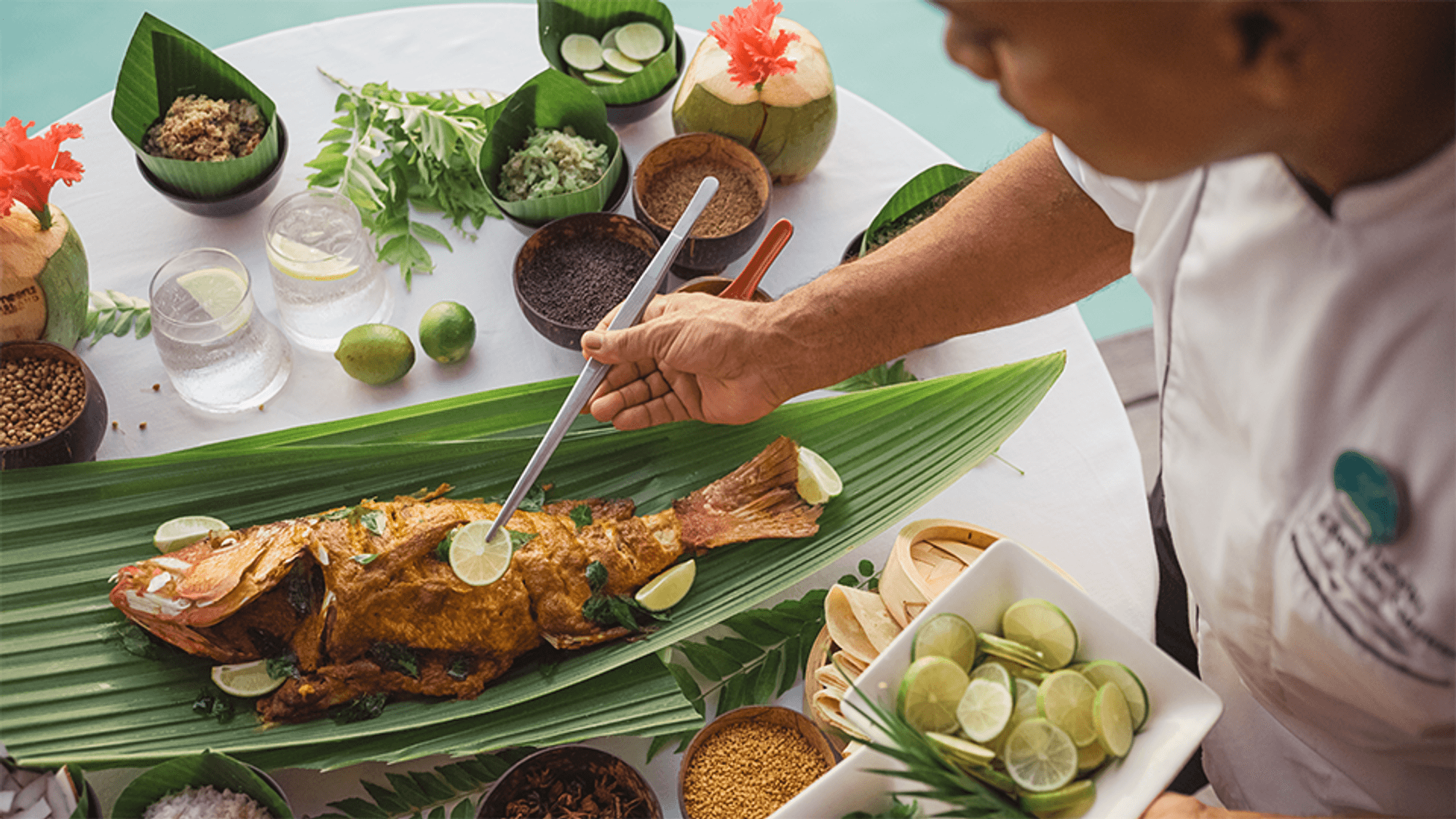
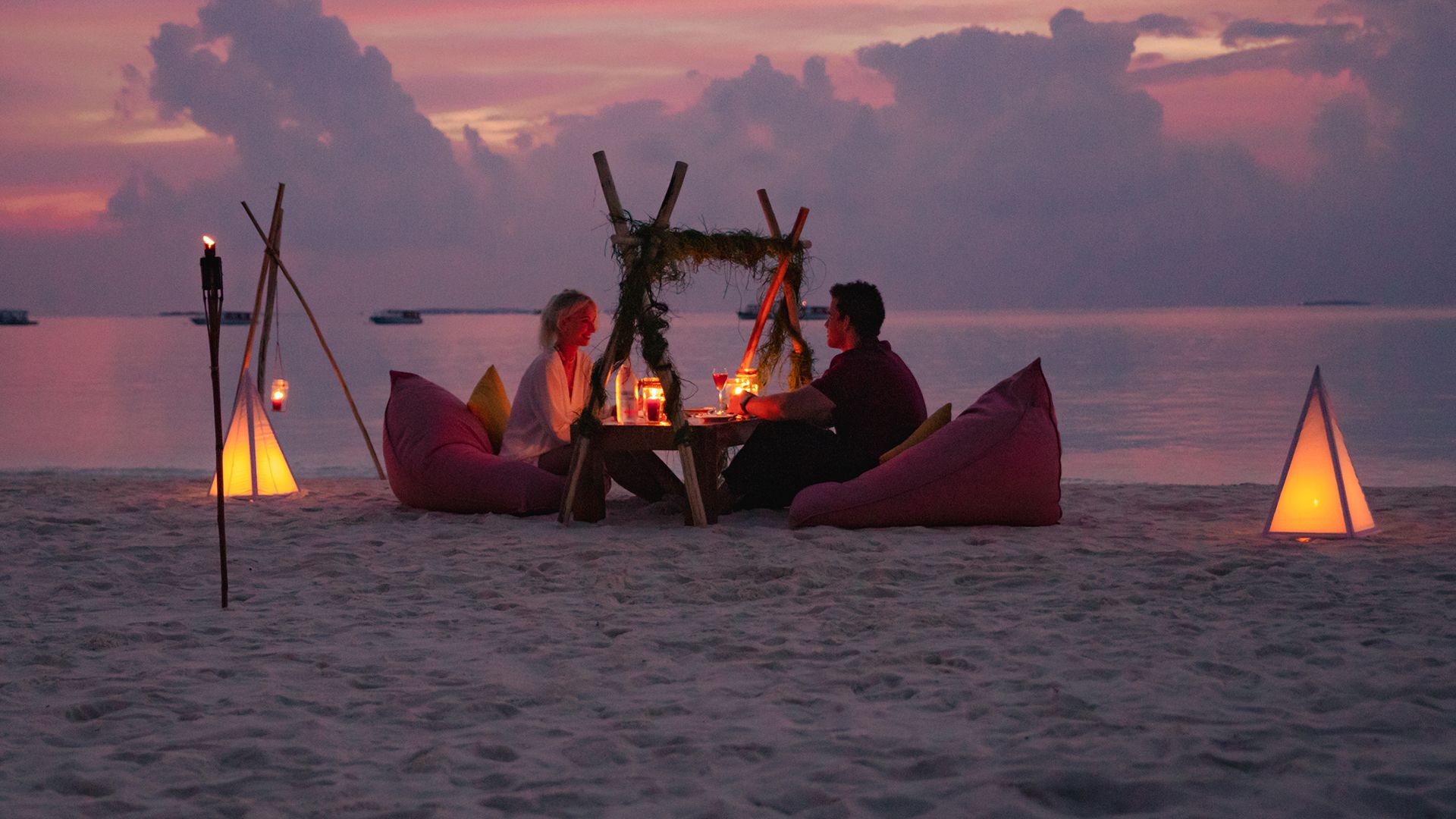
And travellers who already seek out luxury experiences are often willing to spend more. Jansson says Kurumba’s spa has seen increased footfall, with guests also indulging in food and drink, and opting for à la carte dining over buffet options. “We have seen a surge in people booking our dine-around all-inclusive package,” he says. “This allows them to choose from three different lunch venues, and all seven of the dinner outlets, plus a selection of beverages, including alcohol, throughout the day. This is our most expensive meal plan, but we have found our guests are keen to spoil themselves a bit and happy to indulge themselves more.”
A more personalised future
Once the pandemic subsides, which Antoniou says will likely only become clear in hindsight, travellers are likely to be more discerning and less willing to compromise on standards. Besides this, travel for health and wellbeing will figure highly, Antoniou says, while human connections will be essential, with a shift away from mass tourism. “The resorts that will be more popular will be ones that are more able to make travel experiences more meaningful, those that refrain from standardised or staged experiences,” she says. “Experiences that allow the individual traveller either to engage in interpersonal relations or in a process of self-development, or enhancing one’s sense of wellbeing will be more meaningful on a personal level and more likely to be selected.”
While the need for social distancing will likely fade over time as the pandemic recedes, the desire for uncrowded spaces is unlikely to dissipate. “The pandemic brought back space into the tourism experience,” Antoniou says. “Resorts that can meet travellers’ needs to have some space will be able to offer more satisfying experiences.”
For the meantime, however, luxury travel continues to provide that most old-fashioned of benefits: escape. “Our mission statement has always revolved around the promise of a thoughtful, unique and vibrant experience, one that enables a renewed appreciation of life,” Jansson says. “This is perhaps even more poignant now during this Covid-19 era, where for months and perhaps years our guests have not had the chance to appreciate life. At our core, we are here to provide that escape from the current reality faced across the globe, and to do so, we need to ensure we are providing the safest destination possible.”