High Risk Guide (HRG)
This guidance provides advice for deployments to Hostile Environments and those that include High Risk activities.
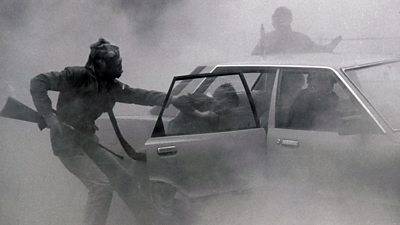
The BBC has special arrangements in place for high risk work. This includes: deployments to hostile environments which may be environmental (high altitude or desert) or man-made (conflicts, violent disorder); undertaking activities such as covert filming of dangerous groups; or covering events such as terrorist incidents, natural disasters or pandemic diseases.
For any high-risk or travel advisory task, you must contact the High Risk and News Safety team for advice and support. If you aren't sure if your task falls into either of these two categories, still contact the team who will be able to advise.
Full details are on the Definitions and Requirements Page
Definitions
Definitions and requirements of the High Risk Policy for those working in hostile environments and undertaking high risk activities
- High Risk: High Risk is defined by the BBC as work that carries a significantly higher than normal risk of death or serious injury as a consequence of operating in, or being part of:
- Hostile Environments: A Hostile Environment is a country, region or specified area subject to war, insurrection, civil unrest, terrorism or extreme levels of crime, banditry, lawlessness or public disorder; or areas with extreme climate or terrain.
- High Risk Events: A High Risk Event might be riots, civil disturbance or extreme public disorder, terrorist or armed criminal incidents such as hi-jacking or sieges, any event involving chemical, biological, radiological or nuclear (CBRN) substances, extreme climatic events and natural disasters such as hurricanes, severe floods, earthquakes, volcanic eruptions, etc. or outbreaks of serious diseases and pandemics. (Events will be designated as High Risk by the High Risk Team in discussion with News Group senior management)
- High Risk Activities: High Risk Activities are investigations involving covert surveillance or filming and/or confrontation of terrorist, serious organised criminal, extremist or violent political groups.
- Travel Advisory: Travel Advisory Areas are countries that have specific safety or security risks not amounting to a Hostile Environment. Staff who are unfamiliar with the environment should take advice from either the High Risk team or the local bureau.
Key Requirements
Anyone undertaking, or commissioning high risk work, is required, as far as practicably possible, to:
- Seek information and advice from the High Risk Team.
- Complete a written Risk Assessment and apply the necessary safety control measures.
- Ensure those involved have the right training and/or experience for the assignment.
- Identify and use appropriate safety equipment.
- Make adequate contingency plans and arrangements in case of emergency.
- Obtain the appropriate level of management authorisation, and notify and coordinate all deployments with Newsgathering (the lead department for the coordination of all deployments to Hostile Environments).
Hostile Environments Defined
A Hostile Environment is defined as a country, region or specified area subject to war, insurrection, civil unrest, terrorism or extreme levels of crime, banditry or lawlessness, public disorder (G8 etc); or areas with extreme climatic conditions or terrain and natural disasters such as volcanos, earthquakes, tsunamis etc.
Country List Pages
The Hostile Environment Country Pages list the countries, or areas of countries, that are currently designated as either Hostile Environment, Travel Advisory, or both.
If you are intending to visit a designated hostile environment or travel advisory country/area listed in the country pages table below, you must first contact the High Risk Team, (unless you are familiar with the environment in the case of Travel Advisory areas).
The list of countries classified as Hostile Environment is only accessible via the BBC Network, using the link below.
Travel Advisory
Travel Advisory Areas are countries that have specific safety or security risks not amounting to a Hostile Environment. Staff who are unfamiliar with the environment should take advice from the High Risk team or the local bureau.
You should also be aware that you might encounter High Risks Events, or undertake High Risk Activities in countries, regions or areas that are not normally designated as hostile. This can even happen in places that are normally otherwise regarded as low risk such as the UK.
The list of countries classified as Travel Advisory is only accessible via the BBC Network.
High Risk topics
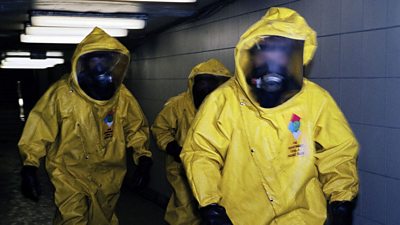
CBRN and Industrial Spills
A guide to chemical, biological and radiation related hazards.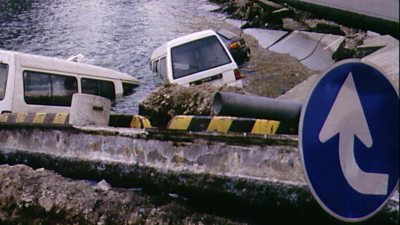
Crisis Management and Security Support
The BBC and its contractors are sometimes required to work in difficult and challenging circumstances. Safety and security issues may occur either during programme making or following transmission.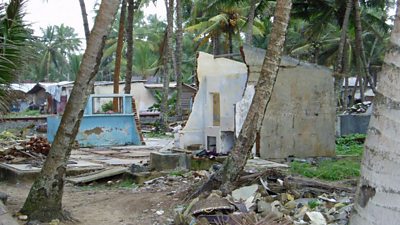
Disaster Coverage
This information should be used during an initial response to a disaster and may be superseded by a specific risk assessment.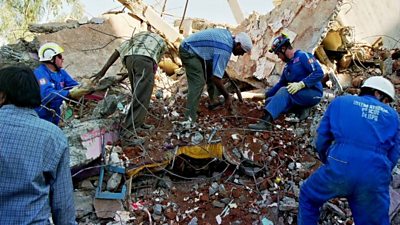
Disaster Coverage – Health Aspects
A guide to the particular health risks when visiting areas subject to natural or man-made disasters.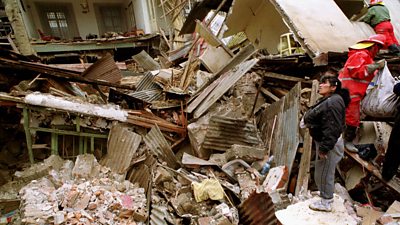
Earthquakes
This Guide helps you decide how to manage risks in the event of an earthquake. It applies to those living and working in an earthquake area on how to prepare, as well as to journalists covering the aftermath of an earthquake.
Hostile Environment Country Pages
[BBC Network only] PTK Destinations, the BBC's Hostile Environment Country site is the best way to plan and manage risk for BBC productions.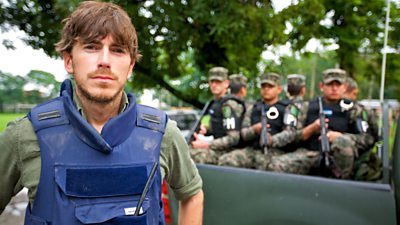
Security on Location
This Security Guideline provides measures to help mitigate the security threats associated with production activities on location, including door-stepping, covert filming, working with crowds and public order issues.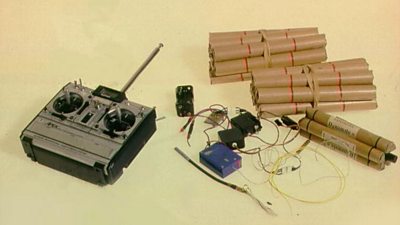
Terrorist Bomb Incidents
A Guideline for staff covering stories on terrorist bomb threats on location, or at the site of an unexploded bomb (UXB). It could also be of relevance at the site of an industrial explosion.

More from SSR
Safety Hub
Your platform to record accidents, risk assessments, assurance monitoring and inspectionsSafety Equipment Stores
Just one number to call: 020 3614 5155BBC Safety Guidelines
An A-Z of BBC's Safety GuidelinesContact your Safety Team
Safety Advice Line: 0370 411 0464 Email: safety@bbc.co.uk
- A-Z of BBC Safety Guidelines
- Find my Safety Adviser (BBC Network only)
- Accident Reporting and Investigation
- BBC Health & Safety Policy
- Contractors (incl. vetted lists)
- Contributors
- Fire Safety
- Freelancers
- Independent Production Companies
- Risk Assessment
- Safety Alerts
- Safety Responsibilities
- Safety Training
- Sets & Premises Safety Guide
Events guidance - key links:
Health topics - key links:
- Access Services (BBC network only)
- Contributors Fitness to Participate
- Display Screen Equipment (DSE)
- Employee Assistance Programme (BBC network only)
- First Aid and Welfare on Location
- International Travel - Risks & Health
- Manual Handling
- Mental Health: Homepage
- Occupational Health Referrals & Advice (BBC network only)
- Personal Health and Wellbeing
- Pregnancy
- Psychological Trauma Support & Trauma Risk Management (TRiM)
- Tiredness and Fatigue
- Travel Health Contacts
BBC High Risk - key links:
BBC Journalism - key links:
BBC Productions - key links:
- Aerial Filming and Airfields
- Animals: Displaying and handling for performance
- Boats: Working on
- Children and Young People
- Driving
- Electrical Equipment and Systems
- First Aid and Welfare on Location
- Food Safety (Cooking and Catering)
- Remote Location Working
- Roads and Streets: Working by
- Security of Productions on Location
- Stunts
- Tiredness and Fatigue
- Unmanned Aerial Systems (UAS aka Drones)
- Vehicles: Recording in, from and around
- Working at Height: Mobile Elevating Work Platforms
- Working at Height: Tower Scaffolds
BBC Radio - key links:
- Corporate Security Home (BBC Network only)
BBC Security - key links:
BBC Sport - key links:
- Broadcast: Presentation and Linking Positions
- Broadcast Vehicles
- Buildings used for ...temporary studios (HSE)
- Electrical Equipment and Systems
- Guide to Safety at Sports Grounds (DCMS)
- Managing H&S at Motorsport Events (HSE)
- Safety in Broadcasting Sports Events (HSE)
- Sports Events: Recording or Filming
- Vehicles used in Sports Coverage
About this site
This site describes what the BBC does in relation to managing its health, safety and security risks and is intended for those who work directly for the BBC.
It is not intended to provide instruction or guidance on how third parties should manage their risks. The BBC cannot be held liable for how this information is interpreted or used by third parties, nor provide any assurance that adopting it would provide any measure of legal compliance. More information
Some links on this site are only accessible when connected to the BBC network
