Engineering Safety Guide (EngSG)
This guide is part of the approach in Engineering Departments of the BBC and has been compiled by Technology Operations with information advice, and best practice from experts across the BBC.
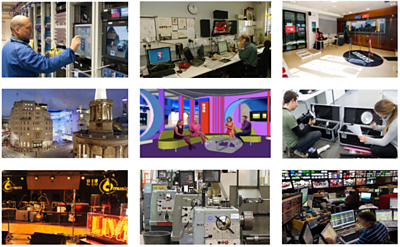
Safety is everybody's responsibility. We all have a duty to keep ourselves and others safe.
There are several of these guides in existence such as the Journalism, Production, and Sports Safety guides, but this guide focuses on activities that more often fall into the engineering domain such as the risks and hazards around electrical safety, and the everyday risks that Technology Operations takes higher levels of responsibility for such as; electricity at work testing, temporary electrical installations, studio project work and the more common aspects of Noise at Work, COSHH, Working at Heights, shift working patterns, and the safety procedures in our office and workshop environments.
Current electrical advice should always be referred to on Gateway under the myRisks Electrical Safety Pages section - links below (all myRisks electrical pages are also available on a search 'tag' at the bottom of this page).
There is a wealth of advice on all aspects of safety here and far more than can ever be included in a single guide.
Engineering staff can and should refer to the other Safety Guides (for common activities) Copies of the Journalism Safety Guide and other guides can be downloaded or obtained in hard copy from the BBC Safety Advice Line and myRisks.
Safety App
In areas of the business that issue staff with iPhones, the BBC Safety App can be used:
• To access Safety Hub remotely
• to record changes to your risk assessment in a dynamic way.
• to record issues, hazards and controls which you need to cover in your risk assessment.
Further Advice and Feedback
If you can’t find what you are looking for or need more advice, then please contact your, Team Leader, Safety Advisor or the Safety Advice Line.
If you have any comments or suggestions for additional guide pages then please email the Safety Advice line.
A-Z Activities
A to Z list of our Guidelines relating to productions working on or in Sets, Studios & Premises.
A - E
- Asbestos Management on BBC Premises
- Asbestos Management on Location
- Contractors: Working with
- CDM Overview
- CDM 2015 - The BBC Approach
- Electrical Safety Homepage
- Electrical Safety Policies
- Electrical Safety Guidance Documents (BBC)
F - L
- Fire Prevention Principles
- Fire Safety in BBC Buildings
- Fire Precautions for Studios
- First Aid in BBC Premises
- First Aid on Location
- Food Safety (Cookery and Catering)
- Legionella in premises: Control of
M - S
- Manual Handling
- Noise at Work
- Outside Broadcast Venue Rigging
- Permit to Work in BBC Buildings
- Pressure Systems
- Riggers: Selection of
- Safety, Health and Wellbeing Corporate Policy
- Seating Audiences Safely
- Sets: Safety of
- Studio and Event Rigging
T - Z
More from SSR
Safety Hub
Your platform to record accidents, risk assessments, assurance monitoring and inspectionsSafety Equipment Stores
Just one number to call: 020 3614 5155BBC Safety Guidelines
An A-Z of BBC's Safety GuidelinesContact your Safety Team
Safety Advice Line: 0370 411 0464 Email: safety@bbc.co.uk
- A-Z of BBC Safety Guidelines
- Find my Safety Adviser (BBC Network only)
- Accident Reporting and Investigation
- BBC Health & Safety Policy
- Contractors (incl. vetted lists)
- Contributors
- Fire Safety
- Freelancers
- Independent Production Companies
- Risk Assessment
- Safety Alerts
- Safety Responsibilities
- Safety Training
- Sets & Premises Safety Guide
Events guidance - key links:
Health topics - key links:
- Access Services (BBC network only)
- Contributors Fitness to Participate
- Display Screen Equipment (DSE)
- Employee Assistance Programme (BBC network only)
- First Aid and Welfare on Location
- International Travel - Risks & Health
- Manual Handling
- Mental Health: Homepage
- Occupational Health Referrals & Advice (BBC network only)
- Personal Health and Wellbeing
- Pregnancy
- Psychological Trauma Support & Trauma Risk Management (TRiM)
- Tiredness and Fatigue
- Travel Health Contacts
BBC High Risk - key links:
BBC Journalism - key links:
BBC Productions - key links:
- Aerial Filming and Airfields
- Animals: Displaying and handling for performance
- Boats: Working on
- Children and Young People
- Driving
- Electrical Equipment and Systems
- First Aid and Welfare on Location
- Food Safety (Cooking and Catering)
- Remote Location Working
- Roads and Streets: Working by
- Security of Productions on Location
- Stunts
- Tiredness and Fatigue
- Unmanned Aerial Systems (UAS aka Drones)
- Vehicles: Recording in, from and around
- Working at Height: Mobile Elevating Work Platforms
- Working at Height: Tower Scaffolds
BBC Radio - key links:
- Corporate Security Home (BBC Network only)
BBC Security - key links:
BBC Sport - key links:
- Broadcast: Presentation and Linking Positions
- Broadcast Vehicles
- Buildings used for ...temporary studios (HSE)
- Electrical Equipment and Systems
- Guide to Safety at Sports Grounds (DCMS)
- Managing H&S at Motorsport Events (HSE)
- Safety in Broadcasting Sports Events (HSE)
- Sports Events: Recording or Filming
- Vehicles used in Sports Coverage
About this site
This site describes what the BBC does in relation to managing its health, safety and security risks and is intended for those who work directly for the BBC.
It is not intended to provide instruction or guidance on how third parties should manage their risks. The BBC cannot be held liable for how this information is interpreted or used by third parties, nor provide any assurance that adopting it would provide any measure of legal compliance. More information
Some links on this site are only accessible when connected to the BBC network
Search by Tag:
- Tagged with ElectricalElectrical
