| | | | | | | | | |

| | | THE NHS AT 60: NATIONAL DOCTORS
|  | |  | MISSED A PROGRAMME?
Go to the Listen Again page | | | | | |  | | Thursday 20:00 - 20:30,
26 June - 10 July 2008 | | | | 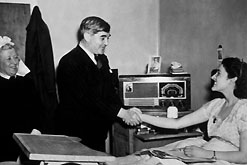 | | | | | | | Chris Bowlby asks doctors to recall how divided they were about the original NHS plan, how concerned they were about their incomes, how suspicious of state control (all aspects that have returned to haunt the modern NHS). And he hears what happened when there were the first 1950s stirrings of modern concerns with lifestyle and health, focusing on smoking and drinking.
Interviewees include Lord Walton of Detchant, who as a young medical student opposed the creation of the NHS but changed his mind as a Newcastle doctor, Julian Tudor Hart, GP in London and Wales and member of the Socialist Medical Association, the historian Virginia Berridge
| | | | | | | | | | People care passionately about how the National Health Service is run. But do they ever know who really runs it? That question was never more urgent than in the 1970s and 80s, with huge rows over private beds in hospitals, prescriptions and changes to the way GPs worked. And as the latest debate about Lord Darzi’s health care proposals show the rows are still reverberating today.
| | | | | | | | | | From the 1980s the government wanted doctors to become much more managerial, running their practices as efficient businesses, buying health care from hospitals on behalf of patients.
This has given GPs in particular renewed power. But it has led to public concern as their pay and status has risen rapidly. Younger doctors’ approach – contracting out evening and weekend care - seems a departure from older ideas of a medical vocation, a permanent presence in the local community, a resolutely non-commercial approach to delivering equal care to all.
There’s been much debate too about how far the doctor is now obliged to respond to the patient as ever more confident consumer, and how far doctors should become evangelists for government ideas of a healthy lifestyle.
Meanwhile the overall reputation of the doctor, as a fundamentally "good", altruistic figure, has been shaken by extreme cases such as Harold Shipman or the involvement of NHS doctors in terrorist activity – a far cry from unquestioning reverence six decades ago for the man in the white coat.
| | | | |
| | Don't miss We want to hear your experiences |
|