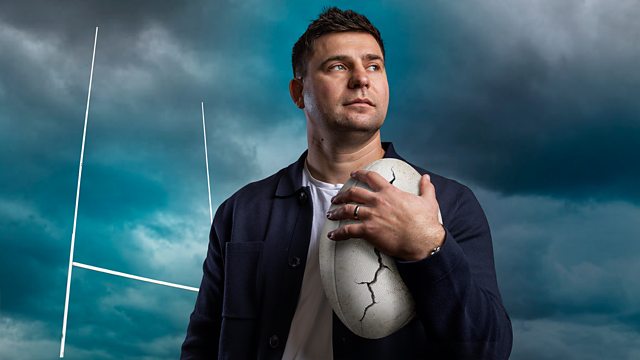
Ben Youngs Investigates: How Safe Is Rugby?
England’s most-capped men’s player, Ben Youngs, sets out to re-examine the game that has defined his life. Is there a link between concussion and long-term brain health?
Ben Youngs Investigates: How Safe Is Rugby?
In the wake of Lewis Moody’s Motor Neurone Disease diagnosis, England’s most-capped men’s player Ben Youngs sets out to re-examine the game that has defined his life. Is there a link between concussion and long-term brain health? And is the sport he loves, that he takes his son to play, safe?
At a time when rugby is being celebrated and participation is on the rise, growing concerns around the impact of concussion on players is reshaping conversations off the pitch. Ben sets out on a journey of discovery – starting with an emotional discussion with former team-mate Moody, hearing about life since his MND diagnosis.¿
After speaking with experts, and learning there is still no proven link between rugby and MND, Ben goes to see former England international Steve Thompson, who reveals he can longer remember winning the 2003 World Cup, and shares the challenges of living with dementia.¿When former Wales international Alix Popham and England World Cup winner Kat Merchant also explain to Ben the challenges of living with serious brain conditions, and the importance of raising awareness around brain health in rugby, Ben reaches a crossroads in his journey. After discussing his learnings with his wife, he decides to undergo his own brain tests.¿
Continuing to research the link between and long-term brain health, Ben then looks at what is being done by rugby’s governing bodies to ensure safety in the game; from new technologies to strengthened protocols. Speaking to former team-mate and fellow British and Irish Lion Anthony Watson, Ben wrestles with a difficult question: was their generation part of the problem? And to what extent are players responsible for their own safety?
By the end of his journey, Ben sees a sport striving to change. The stories he hears underline the need for greater protection and persistent research, but also the enduring beauty of the game he loves. For rugby to thrive, he believes it must keep moving forward, for today’s players and for the next generation.
Last on

Broadcasts
Featured in...
![]()
Six Nations Rugby
Pride is at stake in the legendary international rugby union tournament.
![]()
Trending in Wales
Discover the shows Wales is loving this week.