Raising the curtain on the joys of theatre
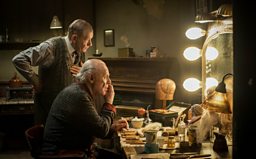
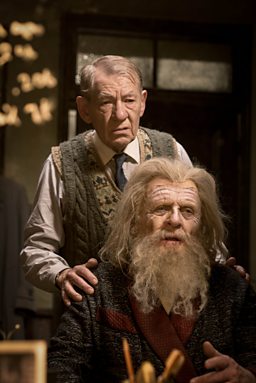
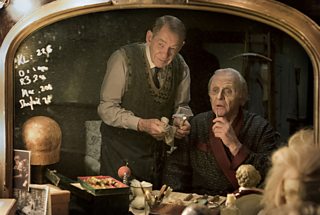
Acting royalty Ian McKellen and Anthony Hopkins appear together on the screen for the first time in The Dresser, one of the greatest portraits of life in the theatre.
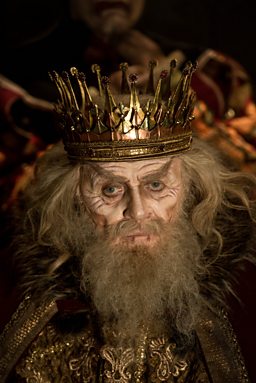
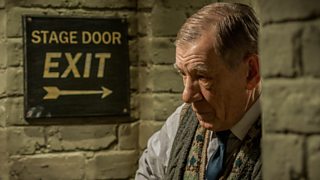
Directed by Richard Eyre, the play tells the story of one fateful night in a small regional theatre during World War Two as a troupe of touring actors stage a production of Shakespeare’s King Lear as bombs are falling. The curtain is up in an hour but the actor/manager Sir (Hopkins) who is playing Lear is nowhere to be seen. His dresser Norman (McKellen) must scramble to keep the production alive, but will Sir turn up in time and if he does, will he be able to perform that night?
The production marks the start of the BBC’s On Stage season, a celebration of theatre in the UK, here, Tony Gibbs, Chief Executive of the National Operatic and Dramatic Association, publish a guide to why everyone should give amateur theatre a go.
It's a confidence builder
There’s no better way of boosting self-confidence than putting yourself in the scary and humbling position of standing up in front of an unforgiving audience and laying yourself bare. Anthony Hopkins has been quoted as saying he found himself in amateur theatre classes as a way of getting back at the bullies that made his life a misery at school, seeing acting as a way of building confidence and showing those bullies what he was made of. But remember, amateur theatre is not always about taking centre stage. Lots of plays and musicals need supporting roles and a chorus line as well as a leading man and lady. And there’s just as much to be gained from a supporting role off stage.

When you’re acting together you put aside your own daily life, your troubles and worries and become someone else
It's social glue
You’re meeting like-minded people from all walks of life; it doesn’t matter if you’re a doctor, a dressmaker or a dustman when you’re acting together you put aside your own daily life, your troubles and worries and become someone else. It’s great to be able to draw on your own experiences for any role, professional or amateur. But when you’re standing on stage whether it’s in the local theatre or the village hall you step into another’s shoes and see life from someone else’s perspective. And that can make us accept things about ourselves and better understand others.
It's a doorway into the profession
You know the saying ‘it’s an actor’s life for me’, well, for some, actually it might not be. Some of the most well respected actors on stage and screen got their first taste of acting by starting out in amateur theatre. But it’s not for everyone. For most people it won’t be how they’ll afford to put food on the table and pay the mortgage but for others it’ll be the first step on the most wonderful profession. You learn the discipline of acting, the very heart of the profession; and meet great mentors along the way.
If you can hammer a nail, you can play your part
It's not just about the stage
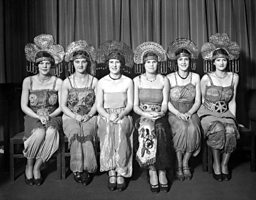
It’s not all about acting, there’s directing, set-building, costumes, even selling the ice creams front of house. Whatever your role in amateur theatre, or let’s be honest you might have more than one, you’re part of a machine that has to work smoothly together, and rely on each other. It’s a mammoth task, it’s time consuming but what is life about if it doesn’t require effort. If you can hammer a nail, you can play your part.

It's great for the mind
Nothing will keep you mentally agile like learning your lines, whether you appear once as part of an ensemble or you’re the lead in a demanding play. When you know others are relying on you saying the right thing at the right time it really focuses the mind. Also, there’s nothing like the fear of forgetting your lines and corpsing on stage in front of your friends and neighbours to keep you thinking straight.
The Dresser is on BBC Two on Saturday 31 October at 21:00 (check regional variations).
From chasing politicians to chasing parts - an actor's case study
Rekha John-Cheriyan from West London tells Get Creative how her joy of acting led her from the newsroom to the stage
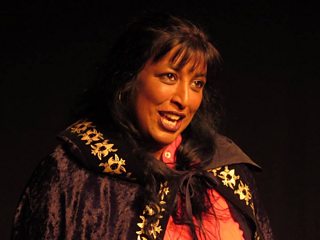
I thought acting as a sideline would be enough, but I’d return to work and think ‘I don’t want to be here’
"I started doing drama as a child. My dad – quite unusually for an Indian man – thought it would be good for my confidence. I loved it, but when I dropped the bombshell that I wanted to study drama at university, my parents were disappointed, hoping I’d be a doctor.
Instead I became a journalist which is another way of telling a story I suppose. However I kept up my drama, outside work and with the company’s drama group. I thought acting as a sideline would be enough, but I’d return to work and think ‘I don’t want to be here’, even though I had a fantastic job, chasing politicians rather than chasing parts!
The turning point came when my son decided to apply to drama school. I wished I was doing the auditions myself. So when redundancies came up I thought, ‘this is the time. I’ll give it a year and see what happens.’ I have now completed my first theatre tour playing Pramila in the fantastic comedy The Deranged Marriage. I get the odd twinge about my old life, like around the time of the election. But I know what I would rather be doing.
The funniest thing is seeing how my mum is now. When I wanted to study drama she said ‘No, no, no! It’s not appropriate!’ Now she’s sitting in the audience, turning round to people and saying, ‘That’s my daughter!’
Feeling inspired?
![]()
Getting on stage
Ideas to help make treading the boards less of a drama
More theatre at the BBC...
![]()
BBC's On Stage theatre season
Celebrate the smell of greasepaint & the crowd's roar as the BBC goes to the theatre
![]()
Curtain up
A series of programmes charting the state of regional theatre in the UK
![]()
The world's stage...
Reasons why everyone should try amateur theatre

Elsewhere on Get Creative
![]()
'I would love to work with Tilda Swinton'
Akram Khan on his creative awakening and what he still wants to achieve
![]()
'All of us have it in us to be creative'
Get Creative Family Arts Festival patron Michael Morpurgo talks creativity
![]()
Richard Wilson urges everyone to Get Creative
The actor raises the curtain on his creative hobby
![]()
Taking centre stage behind the scenes
Theatre apprentices talk about their backstage experiences