Headstrong: How a blow to the head made The Farm's Peter Hooton take music seriously
24 March 2016
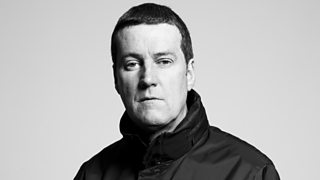
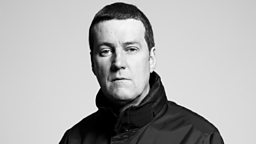
Peter Hooton is no stranger to creativity. As the vocalist for 90s band The Farm he had a UK number one album and two hit singles 'All Together Now' and 'Groovy Train'. He also started a successful magazine called The End which acted as an outlet for many striving writers during its publication in the 1980s. Still resident in Liverpool, Peter has always been interested in helping others get creative and for Get Creative Day (2 April) he and bandmate Steve Grimes have teamed up with Alt Valley Community Trust to run a free music taster session. We caught up with Peter to talk about how he first got into music, how he managed to make a career out of it and how he stays creative.
How did you first become interested in music?
I used to get forced to sing at family parties. When I was a kid, say it was a Christmas party, everyone had to sing a song. So all the adults sang and the kids were asked to sing and not many did it but I used to sing 'Somewhere' from West Side Story.
How did you end up pursuing it as a career choice?
Purely by chance really. One day this group were rehearsing in a pub where I was staying. It was my mate’s mum’s pub and they used to rehearse on a Sunday afternoon and the singer never turned up. So I thought I’d have a go. The first song I did was 'Waiting for the Man' by The Velvet Underground so I sang that and it’s a hard song to sing but I didn’t make a fool of myself. Two of the group liked it and two didn’t so they had a chat and that other person got in touch with Steve (Grimes) then and said we’ve got a new band with a new singer who’s got a bit of passion. I’d always been interested in singing but I’d never really envisaged it as a career.
Did you encounter any resistance from others? Careers advisers or family?
Yeah…I always remember when I was at school and I tried to write a poem which was marked by your partner and I had a pretty cynical partner sitting next to me who when I wrote this poem he marked it as like this poem is verging on idiocy. So the English teacher couldn’t wait to read this out to the class. He was the P.E. teacher as well and I had caused a bit of trouble for him because I’d refused to be in his cross country team. I wanted to play football and it was his way of getting back at me by reading this poem out.
So obviously that was maybe the early idea of a song I don’t know but I was probably only 13 or 14 and it put me off writing anything then just because I thought if you write stuff like poems or songs you get ridiculed you know and there was still a feeling of that until I played live.
When I did play live some of my really cynical mates came to see it and I thought these guys are just gonna end up laughing and that but at the end of it one of them said "it was good that.. it was alright...you’ll never make it though". That was a back-handed compliment which I always remember because I thought that was the career path. But it wasn’t really until probably the mid-1980s that I thought we could get a record deal here.
When did you realise that you had made the right decision?
I was still working in youth work but more and more time was dedicated to the group but still we weren’t that serious because we didn’t rehearse much. We rehearsed maybe once a week maybe twice if we had a gig coming up so it was almost like a hobby and then the Peel sessions from the BBC and Janice Long sessions on the BBC they kept us going financially. The only reason we kept on going really was because we had the finances from these sessions we used to do in Maida Vale Radio 1 and that kept us going financially. We didn’t have the finances from concerts because we weren’t that popular. We were popular in Liverpool but it was almost like a pay to play you’d have to pay for the PA and the flyers and you’d end up with £100 between everyone.
What does performing and making music give you?
I always like performing. I got banged on the head when I was in my early 20s: I think that gave me more confidence. For some reason after this concussion after that I wasn’t as nervous. I got attacked in London and left unconscious. After that I wasn’t afraid of ridicule as much as I was. I don’t know whether that was a watershed moment but maybe there was something in my make up that I thought I could have died there so it doesn’t matter anymore.
How do you express yourself creatively when you’re not making music?
I write. I write articles you know I don’t do it professionally even though a couple of publishing companies have asked me if I’d ever consider writing a book and I have but it’s such a big commitment to do that it would take a year or two years of your life and also if I started writing the truth I’d fall with a lot of people so I’m reluctant to do that until I’m terminally ill.
The reason The End started was because I was a youth worker and I didn’t have a youth club, I was a detached youth worker and basically they said do whatever people want to do on the estate and a lot of people were closet poets and closet writers and they didn’t have a way of expressing themselves.
The End became so popular it wasn’t just isolated to an area of Liverpool where it was started off from, it became a city-wide and then a nationwide phenomenon. But we used to get poems off people sent anonymously and also we’d be at a football match and people would give us an article and say but don’t tell anyone I wrote it so it was sort of like the creative juices in people were encouraged by The End I think.
What I’ve always said is The End was a way of people expressing themselves. We were inundated with people from young offenders institutions expressing themselves because they saw The End was meant for them it was meant for the working classes. Because there were so many different people and backgrounds involved in it, it encouraged not only working class people who might have been in trouble with the authorities but also middle class people who’ve gone on to start their own magazines because of The End you know.
Even though I never went to the Scotland Road Writers' Workshop (a famous Liverpool writer's group) I was aware of it and I was aware that some great writers came from it and that some of them ended up working on television programmes and that so I was trying to do that really with The End and encourage people to write and express themselves. Obviously some people sent in stuff in which I didn’t think was suitable and those decisions you gotta make you know. Because some people thought this should’ve been in or that should’ve been in but most of our meetings were held in public houses and that’s when all the ideas would come up so it was just conversational pieces. We never told a joke in there, it was just observational humour. It was important because it was just people taking the mickey out of each other and hopefully that manifested itself on the pages at the end.
Are you still gigging and enjoying it?
Yeah we’re still gigging. We do festivals now which we enjoy, we don’t tour really. But we do festivals in the summer and also acoustic shows. So we love playing live you know and I think that’s down to a couple of things. One thing was that the person who was reluctant to be touring or playing live years ago was Steve but he had a serious illness and that was also a Saul on the road to Damascus moment where he was really seriously ill and he probably reflected on oh I should’ve played live more. So since he’s got over that it's meant that the original members could play because we wouldn’t have thought of playing without an original member.
How did you become involved in these music taster workshops?
I’d known Phil Nibb from when I was youth worker so I’d heard on the grapevine through acquaintances that they and a studio which wasn’t getting used and I was talking to the lad who used to do the cartoons in The End John Potter and I said what’s the studio like and he said well you know it’s got loads of equipment in there and he said isn’t it getting used. That was about a year ago so I thought I’d ring Phil up and see if he was interested in trying to start these music courses. I thought well I’ve got the contact with people who could utilise that you know. And I’ve always wanted, even when The Farm were at its height I always wanted to go back into schools or youth centres to encourage young people to get into music because it’s a great outlet and also even if you don’t make a career out of it it’s a really enjoyable thing to do. Also trying to get people in who haven’t made a career out of writing their own songs but covering songs I think that’s important as well because you don’t have to be somebody who writes their own songs all the time you can do cover versions and still make a living out of it.
What would you say to people who love music but don’t think they’re good enough?
It’s a difficult one that - I’d just say try it out on family members and see what they think. It’s all about confidence and getting in front of people and actually seeing what they think. Obviously there’s different talents out there, they mightn’t be great at songwriting but they might be a great drummer or a great guitarist and even if that doesn’t work there’s so many aspects of the music industry like production so it’s not just are you the next Lennon/ McCartney. John O’Connell who used to be in a group called Groundpig and is probably one of Liverpool’s best musicians for me he practices every day and he practice makes perfect you know. That’s something I never, even though I used to play a bass guitar in this sort of like punk rocky type band, I never really kept it going because I thought I’ll concentrate on melodies and lyrics so I wanted to concentrate on that rather than try and play the guitar as well as sing. So there’s so many different aspects and it’s about confidence and you gain that confidence by getting encouragement off people.
Why is it important to be creative in your life generally?
Everyone’s got some spark of creativity there and I think it’s just unleashing that, it’s just opening the door really to that because I think everyone’s got whether you’re creative in art, whether you’re creative in music, whether you’re creative in sports you know. Everyone’s got some sort of talent and it’s juts opening that door to creativity it’s what makes us tick without music what would life be without art what would life be without the media what would life be you know getting information. I mean it used to be people sitting round the camp fire telling stories and now it’s watching stuff on the television or in the cinema or listening to the radio it’s just a progression. That’s what makes us human.
Tell us about your music taster session for Get Creative Day?
Whether you want to play drums play guitar, DJing production, you don’t have to have ever done it before you can come in at any level it’s not a talent competition. It’s for beginners as well as people who might be more advanced. It’s for everyone. That’s why it’s called taster. I think it’s worth coming to have a look at it and see if there’s anything there for you.
Get Creative Day
The Get Creative campaign has been running for just over one year and is the biggest ever joint campaign by the BBC and the UK’s Cultural Organisations. Get Creative Day on Saturday 2nd April celebrates the country's abundant creativity with a nationwide day of free access to creative events across the country. Music taster sessions, origami, pottery, acting workshops and much more. From Liverpool to Northern Ireland and a whole weekend of creativity in Wales there's every reason to get yourself out there on Get Creative Day and try something new.
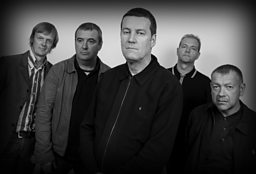
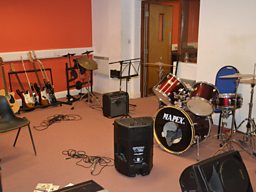
Jam with The Farm...
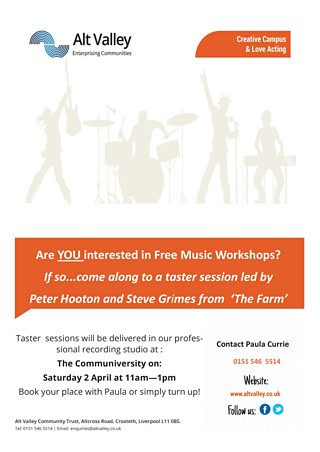
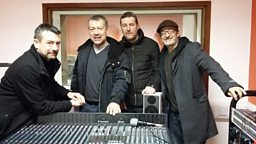
Are YOU interested in Peter and Steve's free music taster workshop on Get Creative Day (Saturday 2nd April) in Liverpool? If so contact Paula Currie at Alt Valley Community Trust.
Related Links
More Get Creative Day stories...
![]()
Gift of the Gag! Five top tips for the would-be stand-up
Check out these five tips for stand-up success from resident comedy coach, Sam Avery who's also running a comedy workshop for Get Creative Day on Saturday 2 April 2016.
![]()
A weekend to try something new - Get Creative Weekend in Wales
BBC Wales, Arts Council of Wales and What Next? are teaming up for a bumper weekend celebrating the Welsh nation's creativity. Find a Get Creative Weekend event near you here.
![]()
When in Rome...Get Creative
Friends, Romans, countrymen, lend me your...paintbrushes and yarn? Roman Fort opens its doors for Get Creative Day on Saturday 2 April 2016.
![]()
Headstrong: Peter Hooten interview
Interview with Peter Hooton, vocalist for 90s band The Farm ahead of his free music taster session for Get Creative Day on Saturday 2 April 2016.
![]()
Unleash your creativity in Liverpool
This creative city underlines its artistic credentials once again by staging a host of free events in the name of Get Creative Day on Saturday 2 April 2016.