Turbulence on plane: Why e dey more serious and dey hapun more often now

- Author, Simon King
- Role, Lead Weather Presenter
- Read am in 9 mins

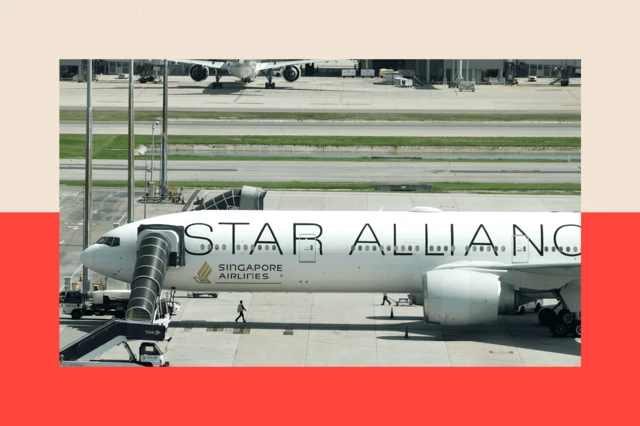
Andrew Davies bin dey go New Zealand to work as project manager for one Doctor Who exhibition. Di first part of im flight from London to Singapore no get wahala but den di plane face serious turbulence.
E remember di mata as: "being on a rollercoaster na how I go fit describe am. Afta I bin land ontop my seat very hard, we just drop. My iPad hit me for head, coffee pour me for bodi. Kasala full di cabin and pipo and tins scata evriwia. Pipo bin dey cry and no fit believe wetin just hapun."
Oga Davies say e be "one of di lucky ones".
Oda passengers collect injuries and broken bones. Geoff Kitchen wey be 73 years die from heart attack.
Death sake of turbulence no dey very common. Official numbers no dey but e dey estimated say na only four pipo don die since 1981. But as for di wound, na anoda tori.
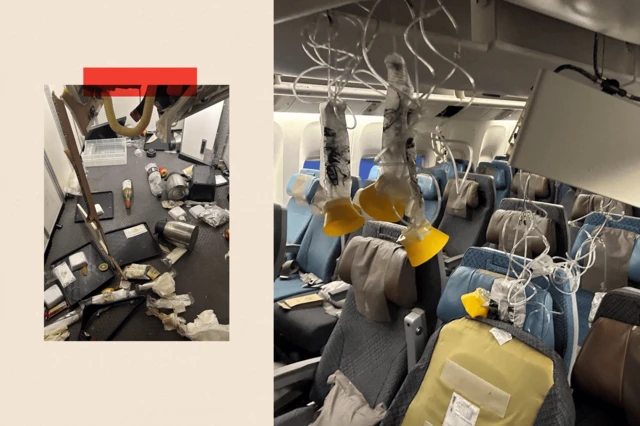
Wia dis foto come from, REUTERS/Stringer
For just US, since 2009, dem don record 207 serious injuries, injuries wia pesin need to get ova two days admission for hospital for. Dis na according to di official figures from di National Transportation Safety Board show. (166 of dis pipo na crew wey fit no sidon).
But as climate change dey affect atmosphere conditions, sabi pipo warn say air travel fit dey bumpier, di temperature change and shift for wind patterns for di upper atmosphere dey expected to increase di frequency and intensity of serious turbulence.
Professor Paul Williams wey be atmospheric scientist for di University of Reading tok say, "we dey expect double or triple of di amount of serious turbulence around di world in di next decades. For evri 10 minutes of severe turbulence wey we dey face now, e fit increase to like 20 to 30 minutes."
So if di turbulence go become more serious, e fit become more dangerous abi airlines fit find smart ways to make dia planes "turbulence-proof"?
Di bumpy North Atlantic route
Serious turbulence be wen di up and down movement of plane wen e dey pass disturbed air, release enough force for your bodi to carry you from your seat if you no dey wia seatbelt.
E dey estimated say around 5,000 cases of serious or greater turbulence na im dey hapun yearly out of di ova 35 million flights wey dey take off worldwide.
Throughout 2023, na turbulence cause almost 40% of all di severe injuries wey passengers catch bicos dem dey fly. Dis na according to di annual safety report by di International Civil Aviation Organization.
Between UK and US, Canada and di Caribbean na among di areas wey don dey affected. In di last 40 years, since satellites start to dey observe di atmosphere, dem don be 55% increase for di serious turbulence ova di North Atlantic.
But di amount of turbulence don dey projected say e go increase for oda areas too, dat na wetin recent studies tok. E go rise for parts of East Asia, North Africa, North Pacific, North America and di Middle East.
See wetin climate change don cause
Na three main causes of turbulence dey, dem be convective (clouds or thunderstorms), orographic (air flow around mountainous areas) and clear-air (changes in wind direction or speed).
All of dem fit cause severe - serious - turbulence. Pesin fit avoid convective and orographic but you see dat clear air turbulence ehn, you no fit even see am, sometimes e just be like say e dey comot from nowia.
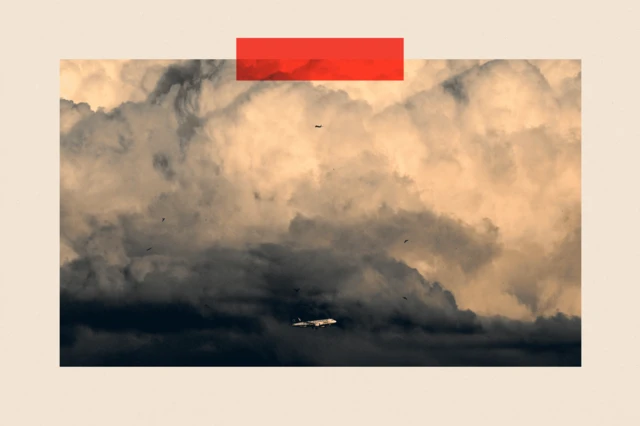
Wia dis foto come from, KIRILL KUDRYAVTSEV /AFP via Getty
Climate change na major reason for di rise of both convective and clear-air turbulence.
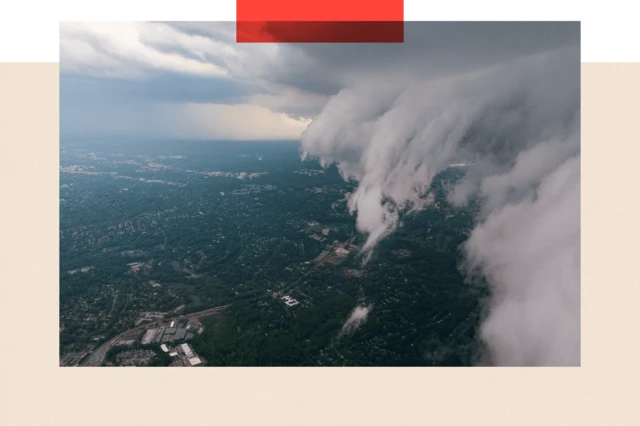
Even though di relationship between clinate change and thunderstorms dey hard to explain, warmer atmosphere fit get more moisture and dat extreme heat and moisture go mix to make more ogbonge thunderstorms.
Back to turbulence, convective turbulence na di physical process of air rising and falling for di atmosphere especially for clouds and you no go find more violent up and down drafts but di ones wey dey thunderstorm clouds.
Na wetin cause di severe turbulence for Andre Davies 2024 air trip na.
Report from SIngapore Transport Safety Investigation Bureau find out say di plane "bin likely dey fly ova area wey bin get developing convective activity" ova South Myanmar wey cause "19 seconds of extreme turbulence wey include drop of 178 feet in just five seconds."
Wia dis foto come from, MediaNews Group/Boston Herald via Getty Images
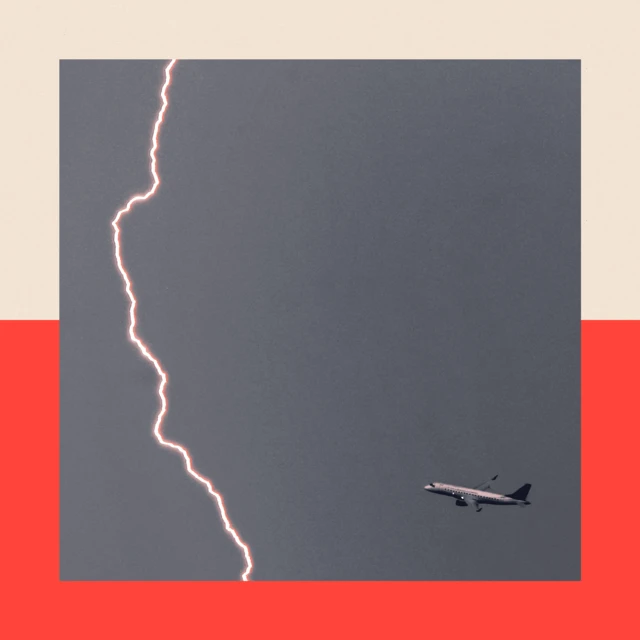
One study from di US wey bin dey published for di Science journal for 2014 show say 1C increase for global temperature dey increase lightning strikes by 12%.
Captain Nathan Davies, wey be commercial airline pilot tok say, "I don notice more large storm cells dey spread 80 miles plus in diameter. Dis na sometin wey suppose to be rare."
But e add say, di clouds dey very easy to see unless e hide behind oda clouds so dem fit just dodge dem.
Clear-air turbulence fit also rise soon. Na disturbed air in and around di jet stream dey cause am.
Wind speeds for di jet stream wey dey travel from west to east across di Atlantic fit change from 160mph to 250mph.
Colder air dey for di north and warmer air for di south. Di difference in temperature and change in winds dey useful for airliners so dem fit use am as tailwind to take save time and fuels. But e also dey create turbulent air.
"Climate change dey warm di air to di south of di jet stream more dan di air to di north so dat temperature difference dey become stronger," Prof Williams explain. "E in turn dey drive a stronger jet stream."
'E suppose worry all of us'
Some passengers dey worry bicos di increase wit severe turbulence wey fit lift pesin comot from chair fit potentially bring more incidents of injury or possible death for di most severe cases.
Oga Davies dey fear ova di change of more turbulence and e say no be just for am but for im pikin too.
E tok say, "I dey pleased say issue wey serious like my own never hapun, but I tink say e suppose worry us".
Ova one fifth of UK adults say dem dey fear to fly. Dis na according to recent YouGov survey and if di turbulence go worse, e fit make travel to be more of a nightmare for dis pipo.
As Wendy Barker, wey be nervous flyer from Norfolk, tell me: "More turbulence for me mean more chance for sometin to go wrong and less chance of survival."
Aircraft wings dey designed to fly through turbulent air. As Chris Keane wey be former pilot and now dey work as ground-school instructor tok, "you no go believe how flexible wing be. For 747 passenger aircraft, under 'destructive' testing, di wings go bend upwards by some 25 degrees before e break wey dey very extreme and sometin wey no go eva hapun, even for di most severe turbulence."
For airlines, dem get anoda hidden concern, dat na di economic costs of more turbulence.
Di hidden cost of turbulence
AVTECH, wey be tech company wey dey monitor climate and temperature changes - and dey work wit di Met Office to help warn pilots of turbulence - suggest say di costs fit start from £180,000 to £1.5 million per airline yearly.
Dis include di money to check and maintain di plane afta di serious turbulence, compensation costs if flight don dey diverted or delayed and costs from going to di wrong location.
Wia dis foto come from, Kevin Carter/GETTY
Eurocontrol, wey be civil-military organisation wey dey help European aviation understand di risk of climate change say, to dodge dis turbulence producing storms fit cause crowded airspace for some areas bicos of change to flight paths.
E also mean extra fuel and time wey dey cause extra CO2,
Di expectation be say di need to doge bad weather go rise more by 2050.
How airlines dey do turbulence-proofing
Forecasting turbulence don dey beta recenntly as Prof Williams say dem fit correctly forecast like 75% of clean air turbulence correctly wen you compare am to 60% twenty years ago.
Capt Davies explain say before flights, most airlines go produce flight plan wey go use computer modelling take chook eye for wia turbulence fit be for di route even though e no dey 100% accurate, na good idea make pesin use oda aircraft and Air Traffic Control reports as dem dey move.
Wia dis foto come from, RUNGROJ YONGRIT/EPA - EFE/REX/Shutterstock
Southwest Airlines for US recently decide say dem go dey end cabin service wen di plane dey 18,000ft instead of di 10,000ft dem dey use before, so di crew and passengers go don sidon and ready to land for dis level wey dem suggest say go drop di injuries turbulence dey cause by 20%.
Last year sef, Korean Airlines say dem no go give passengers noodles again for economy so passengers no go burn demselves as dem don see times two turbulence since 2019.
From owls to AI: extreme measures
Some studies don dey look at different ways to build wings.
Sabi pipo don study di way owl dey fly for windy area and find out say di wings dey act as suspension and dey stabilise di head and chest as e dey fly dia.
So di study wey dem publish for di Royal Society proceedings for 2020 conclude say, dat kain wing design fit dey useful for small scale aircraft.
Anoda start up for Austria wey dem dey call Turbulence Solutions claim say dem don build sensor wey go see turbulent air and alarm flap for di wing to dodge am. Di company CEO say e fit reduce moderate turbulence for light aircraft by 80%.
Wia dis foto come from, NurPhoto via Getty
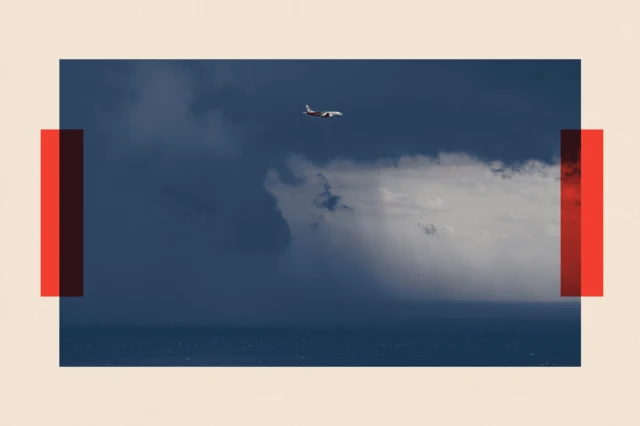
Some dey wey dey argue say AI solve am. Fourier Adaptive Learning and Control (FALCON) na one kain technology wey dem dey research for di California Institute of Technology, wey dey learn how turbulent air dey flow across wing in real time. Dat one sef dey sense turbulence den e go come tell di flap of di wing to adjust and dodge am.
But some pipo like aerospace engineer, Finlay Asher dey reason say all dis technology no go dey for big commercial planes for di next few decades.
But oda sabi pipo dey reason say all dis more frequent turbulence no be big deal, las-las, wetin e mean be say dem go be more sitting down wit di seatbelt on.
Top Image credit: Ivan-balvan via GETTY
InDepth is the home for the best analysis from across BBC News. Tell us what you think.