Environmentalist Kerry Leonard writes the next in his series of exclusive wildlife reports for Breathing Places.
Nesting Birds
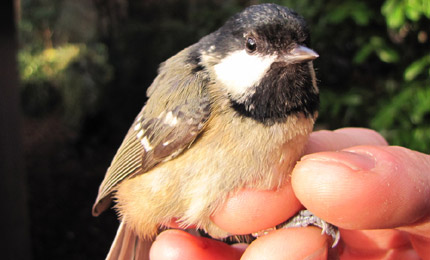
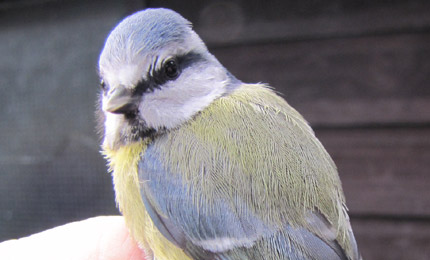
Although it may seem we are still in the grips of winter (and the snow in my garden would support this), spring is just around the corner. Already in late February Magpies and Jackdaws are nest building, Collared Doves and Woodpigeons are displaying and Chaffinches are singing. Like all creatures on the planet birds have only one aim – to create more of themselves! Many smaller bird species, if they have survived their first year, will only get one chance to breed. Up to 80% of young birds born will never get that chance and only the strongest and fittest survive. These high rates of mortality result in natural population cycles where a bad breeding season can keep the population low for the next year. If you want to help the nesting birds in your area this spring here are a few tips: It is still not too late to put up a nest box. There are many models commercially available or just build your own. Remember to use bird friendly varnish or preservative. Keep the box away from feeding areas as birds may spend their time chasing off others of their species attracted to the food that are perceived as a territorial threat. Make sure the box faces east so it does not get too much direct sunlight and heat up, and place it at least two metres off the ground. Remember that it may take a year or two for boxes to be occupied – tits will often check out new sites but not nests in them immediately.
Leave out pieces of straw, feather or hamster bedding on the bird table. House Sparrows and Starlings in particular will collect and use this material. House Sparrows love to collect the feathery heads of the non-native Pampas Grass.
Don’t stop feeding the birds in your garden. Late winter and early spring are critical times for birds when they are in greatest need of our help. This winter has been even harsher than usual. Continue feeding lightly through the summer if birds still visit your garden.
To find out more about nest boxes visit the National Nest Box Week website (details below). If you have a nest box that has a lid you can also contribute to bird conservation by getting involved in the Nest Record Scheme. You can simply inspect the nest a couple of times after laying has been completed to check on the number of eggs, then chicks and finally record the number of birds which fledge. This information is very important as together with other surveys of breeding birds, and bird ringing, it helps to build up a picture of how our bird populations are faring at different parts of their life cycle and what the factors are which are driving population increases or decreases.
BTO Nest Record Scheme
www.bto.org/nnbw/
National Nest Box Week
www.bto.org/nnbw/
Collared Dove
www.garden-birds.co.uk/birds/collareddove.htm
Jackdaw
www.garden-birds.co.uk/birds/jackdaw.htm
Chaffinch
www.garden-birds.co.uk/birds/chaffinch.htm
Radio 4 - Brett Westwoods' guide to birdsong
www.bbc.co.uk/radio4/science/birdsong.shtml
Listen to Kerry Leonard talk about moths and butterflies when he visited Creggan Country Park.
|