| 29 October 2014 |

| |
| BBC Homepage | | |
| |||
| Contact Us | | |
Abolition Of The Slave TradeYou are in: Norfolk > Abolition Of The Slave Trade > Norfolk researches hidden heritage of the slave trade 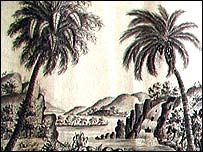 Sketch of Donnington plantation c. 1800 Norfolk researches hidden heritage of the slave tradeAs the UK marks 200 years since the abolition of the slave trade, a new project has been launched to uncover some of the little-known stories of Norfolk's connection with slavery. Many key members of the abolitionist movement came from Norfolk. People such as Thomas Buxton, Elizabeth Fry and Harriet Martineu all fought for the abolition of the slave trade, but others from the county made money out of it. Some families, like the Dalling's (Earsham Hall) owned sugar plantations in places like Jamaica and benefited financially. 'Hidden' storiesWhile some stories are well documented , the Norwich and Norfolk Racial Equality Council (NNREC) believes others are still waiting to be uncovered.  Doctor Richard Maguire The Council has employed researcher Doctor Richard Maguire, an historian and former lecturer at the University of East Anglia to work for six months trawling through archives to help piece together the story. "I think history is an incredibly useful way to help us understand who we are today. I hope we can uncover something people are not aware of, the history of black and minority ethnic people in Norfolk," he said. Dr Maguire is also hoping to recruit volunteers who will help uncover hidden maps and wills to find the Norfolk estates which belonged to slave owners. "I want people to get involved, to see if they have documents, objects or any information relating to the county's links to the slave trade," he said. "I'd also like to talk to people whose ancestors were slaves and I want to hear their stories. "This is not an academic exercise, it's about people. This is history with a purpose" he added. New researchIt is the first time the NNREC has conducted any research on Norfolk's links to the slave trade. Community Cohesion and Diversity Officer Sean Whyte believes it will be an important project. 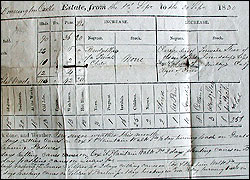 Records from Donnington Castle "During our initial work we stumbled across information which links the current black population of Norfolk with the population some 200 years ago," he said. The research is being funded by a grant of £50,000 from the National Lottery. The information will be used as part of a touring exhibition and displays at museums and libraries during Black History Month in October. Sean Whyte is hoping the project will have a lasting legacy. "There were black people living in Norfolk as far back as the early 19th century," he said. "We're hoping the stories we uncover will help people appreciate that black communities haven't just arrived in Norfolk and ensure they are viewed in a different way" he added. The NNREC is planning a series of talks and exhibitions to commemorate the 1807 Parliamentary Act to abolish the slave-trade before October. Archive images courtesy of Norfolk Record Office last updated: 09/04/2008 at 12:28 SEE ALSOYou are in: Norfolk > Abolition Of The Slave Trade > Norfolk researches hidden heritage of the slave trade
|
| | About the BBC | Help | Terms of Use | Privacy & Cookies Policy |