Philippines on edge after emergency powers announcementpublished at 00:14 GMT
 Suranjana Tewari
Asia Business Correspondent in Manila
 Image source, Getty Images
The morning after President Ferdinand Marcos Jr declared a national energy emergency, the mood across Manila is uneasy.
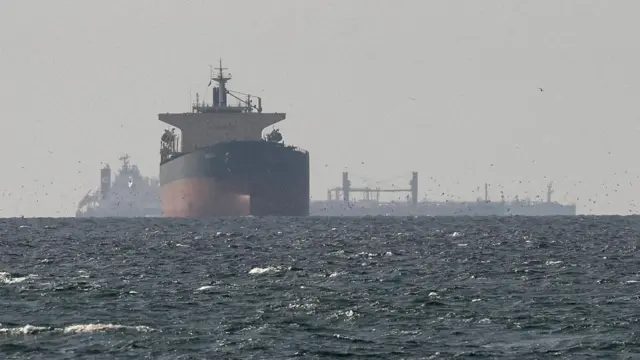
The government warns of an “imminent danger” to fuel supplies, after the conflict in the Middle East drove up global oil prices and disrupted shipments.
The Philippines relies heavily on imported fuel from the region, leaving it exposed to sudden shocks.
Officials say the country has around 45 days of fuel at current consumption, and they are now racing to secure additional supplies.
The emergency, which could last up to a year, gives authorities more flexibility - from speeding up fuel imports to offering support for public transport and cracking down on hoarding of essential items like food.
There are plans to rely more on coal to keep electricity prices from rising further. Ministers have also allowed limited use of a cheaper but dirtier type of fuel temporarily.
On the streets, the strain is already visible. Jeepney drivers say their earnings have been cut as fuel prices climb, and commuters are bracing for higher fares.
Labour group Kilusang Mayo Uno has criticised the move, calling it proof the government has failed to manage the crisis - and warning that limits on protests could silence workers.
Thousands of transport workers, including ride-hailing drivers, are expected to strike later this week - and they say, for now, those plans remain unchanged.