

EXPLORE EPISODE FOUR - 28 to 25
Local Navigation

Bringing to life spectacles of natural wonder on our doorstep
No.28
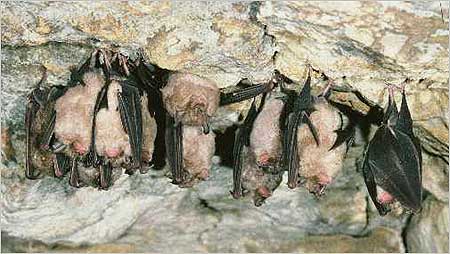
Roosting Bats
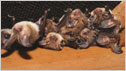
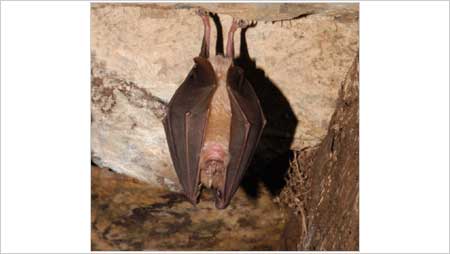
Seventeen species of bats can be found in Britain from two main families - Horseshoe Bats (Rhinolophidae) and Vesper or Evening Bats (Vespertilionidae).
The main species of British bat are:
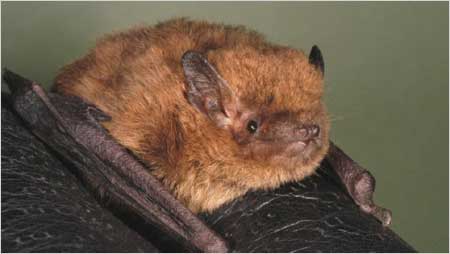
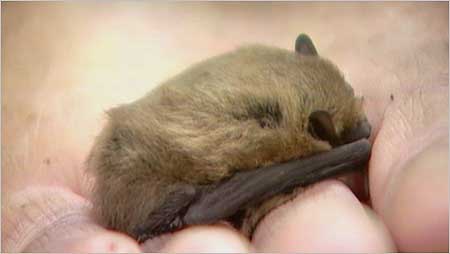
* The Pipistrelle - the smallest and most common bat. It's about the size of a small mouse and would fit snugly into a matchbox. Its head and body are only 4cm long and it weighs just 4 or 5 grams – equivalent to about 10 paperclips.
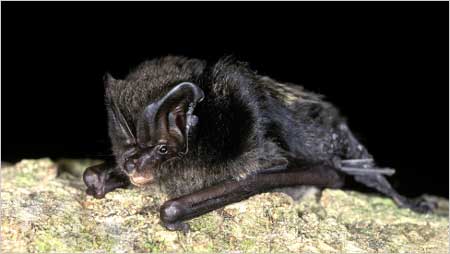
There are three species of Pipistrelle in the UK including the Soprano, Common and Nathusius. The Common Pipistrelles have black faces and a more pointed nose while the Sopranos have lighter skin, a more squashy nose and a 'grin'.
* Daubenton's Bat - a common medium size bat found across Britain.
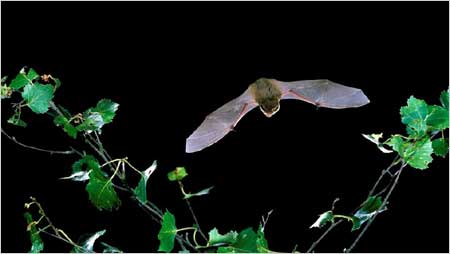
* Natterer's Bat - another medium sized bat with a fast and agile flight pattern. Also widespread throughout Britain.
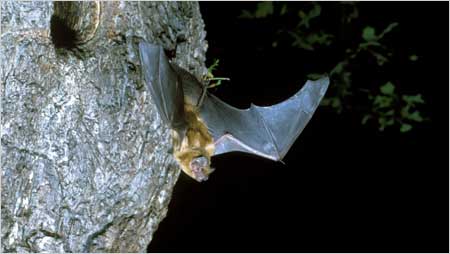
* Noctule Bat - a relatively common, large bat found in open habitats and characterised by its steep dive when hunting for food.
* Greater Horseshoe Bat - a rare species found mainly in the southern England. Distinguished by its slow, fluttering flight close to the ground.
* Barbastelle Bat - a small, less common bat.
It's a common misconception that bats are blind – they can see perfectly well but they can’t recognise colours. They don't need colour vision because they hunt at night.
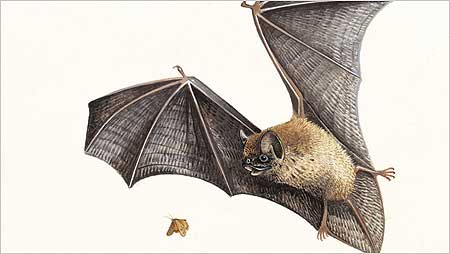
Bats are unique in that they are the only mammals that are able to fly. They also use echoes from their high frequency ultrasonic calls (echolocation) to locate their prey and to communicate.
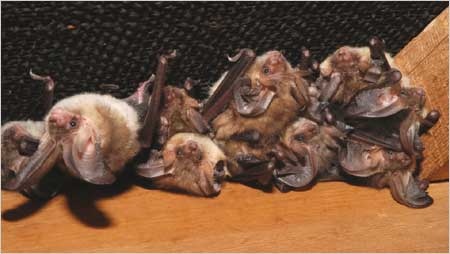
They emit short loud 'shouts' and listen to the echoes as the sound bounces back. This gives them a mental image of the position and distance of objects around them. These calls are loud but humans can’t hear them as they are frequencies generally above our range. Bats also make a chattering noise at their roosts.
Photo credits
Photos courtesy of the Bat Conservation Trust, JJ Kaczanow and Hugh Clark.
Web links
Field Studies Council
Mammal Society
The BBC is not responsible for the content of external internet sites.
Photo gallery
Watch and Listen
Visit a bat roost, find out how to listen to these creatures with bat devices and watch them swarming in the company of presenter Mike Dilger:
Help playing audio/video
Tips
Tips for viewing this species:
- Autumn is a great time to watch bats before they disappear for their winter hibernation when they enter a state of torpor.
- Dawn is the best time of the day to see bats swarming. Dusk and evenings are also good bat watching times.
- Most local bat groups organise regular events - The Bat Conservation Trust can provide details of more than 90 local groups across Britain.
- Common bat habitats include woodland, country estates, and plantation edges close to water. Caves, old buildings and tunnels are popular with some species of bat including the Greater Horseshoe and Daubenton's.
- Good places to watch bats include Dalby Forest (North Yorkshire), Heligan (Cornwall), Crom (Northern Ireland) and Cheddar Gorge Caves.
- To identify the type of bat, look at its size, flight pattern and level of flight, habitat and time of emergence after dusk. A Pipistrelle is most likely to be seen flying fast and erratically about six feet above the ground along habitat edges. This bat emerges about 20-30 minutes after sunset. Other bats emerge sooner (Noctule) or later (Natterer's) so keep a check on times.
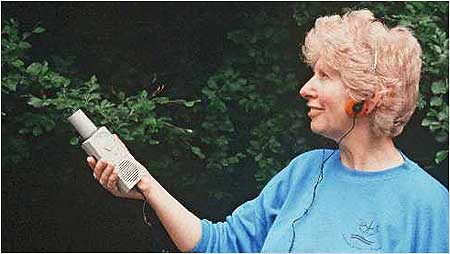
- Bat detectors can help with identification - each different species has its own characteristic call. There are several types of bat device including the heterodyne detector which can be used tuned to the frequency of the ultrasound used by the bat. Another listening device is the time expansion bat detector which records the ultrasound of the bat, then slows it down to assist audibility, and enables the information to be displayed on a sonogram or graph. These can be bought from nature suppliers.
- The Field Studies Council produces a bat guide with information on flight patterns, call frequencies and habitats.
- Remember it is illegal to disturb or handle a wild bat. The National Bat Helpline provides information and advice about bats and their conservation - Bat Helpline - 0845 1300 228.
Habitat
Bat habitats include woodland, country estates and forested areas close to vegetation and smooth water. During the winter bats hibernate in trees, caves or buildings, sometimes coming out to eat and drink.
Large bat roosts are of major importance for breeding - in the summer the females gather from miles around to form maternity roosts. Bats are slow breeders and generally only have one baby a year. At other times of the year bats live in smaller satellite roosts.
Bats eat a variety of flies and moths including midges, mosquitoes and knats. A roost of a 100 Pipistrelles can consume 1.5 million gnats in a month!
Bats are very social animals but much of their social behaviour is still a mystery.
Swarming usually takes place when bats return at dawn from feeding. There may be a ritual aspect to this behaviour or it may be designed to strengthen social bonds. Alternatively the bats may be 'queuing' to get into the roost. Some bat experts believe that swarming may be establishing an 'order' or hierarchy - others think it may involve the transfer of information about good feeding areas etc. Another theory is that swarming gives the bats time to digest food or get rid of waste before entering the roost.
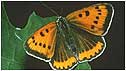
No. 27 - Butterflies
Butterflies boast some have the most vivid colours of any of the UK’s wildlife. In summer the spectacle of clouds of butterflies is a sight to behold.
Best places to see - Great Orme (Wales). Summer meadows.
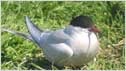
No. 26 - Arctic Terns
The Arctic Tern is a maritime bird which visits the British Isles when it can often be seen dive bombing passers by!
Best place to see - Farne Islands (Northumberland).
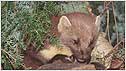
No. 25 - Pine Martens
ThePine Marten is a slender, colourful and shy creature with a red-brown coat and long chocolate coloured bushy tail.
Best place to see - Highlands (Scotland).


Also on Nature's Top 40
BBC Nature & Wildlife
More from bbc.co.uk nature

BBC iD
BBC iDBBC navigation
BBC links

BBC © 2014The BBC is not responsible for the content of external sites. Read more.
This page is best viewed in an up-to-date web browser with style sheets (CSS) enabled. While you will be able to view the content of this page in your current browser, you will not be able to get the full visual experience. Please consider upgrading your browser software or enabling style sheets (CSS) if you are able to do so.
