Unit 20: Telling stories
Narrative tenses
Select a unit
- 1Pop-ups
- 2Hidden talents
- 3Can't buy me love
- 4Travellers' tales
- 5The colleague from hell
- 6Jurassic mystery: unpacking the past
- 7Career changes
- 8Art
- 9Project management
- 10The dog ate my homework!
- 11The diary of a double agent
- 12Fashion forward
- 13Flat pack skyscrapers
- 14Extreme sports
- 15Food fads
- 16Me, my selfie and I
- 17Endangered animals
- 18A nip and a tuck: cosmetic surgery
- 19I'm really sorry...
- 20Telling stories
- 21Fakes and phrasals
- 22Looking to the future
- 23Becoming familiar with things
- 24From rags to riches
- 25Against the odds
- 26Our future on Mars?
- 27Where is it illegal to get a fish drunk?
- 28Dodgy dating
- 29Annoying advice
- 30I'll have been studying English for thirty weeks
Session 2
When we tell stories, jokes and anecdotes we use particular verb forms. Most of these, but not all, are past forms. Learn more and discover how you can also use the present to talk about the past.
Activity 2
Have you heard the one about ...
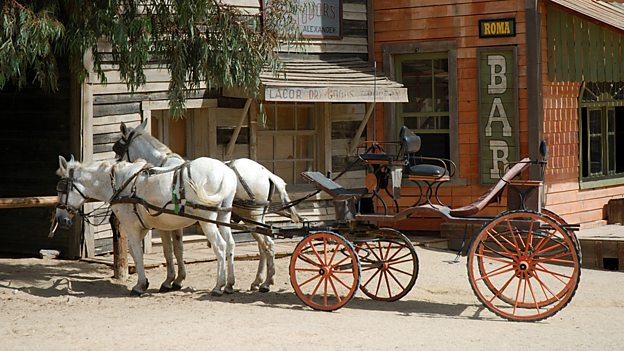
A horse walks into a bar ...
There is a genre of short jokes in English that involve people or animals walking into bars. The barman then makes some comment about the customer.
The joke is often language based. To understand these jokes you usually need to understand the different meanings that words and expressions have. There is often a play between literal and idiomatic meanings. Take this joke for example:
A horse walks into a bar. The barman says: "Why the long face?"
Hilarious, isn't it!
To understand this you need to know that if someone has a long face it means they look sad. This is the idiomatic meaning. A horse, of course, has a long face, not idiomatically but really.
OK, this might not be the funniest joke ever, but it does demonstrate an interesting grammar point.
Look at the verb forms in the joke:
A horse walks into a bar. The barman says: "Why the long face?"
They are present.
In informal spoken English it's very common to use present verbs forms when we are telling jokes. This is also true for stories and anecdotes and also when talking about the plots of films and books.
ነቲ ጽሑፍ ብምንባብ ነቲ ስራሕ ዕመምዎ
Present for the past
Read this description of an unusual event. What do you notice about the verb forms?
"So last Sunday I'm on my way to the shops when I see the strangest thing. There's a giraffe. And it's just walking down the street as if it's on the way to the shops too. I take a picture of it and before you know it my photo goes viral. It's on social media, it's on the news. It's in the papers on Monday and on Tuesday I'm on televsion talking about it. What a week!"
Everything that's described here happened in the past however there are no past verb forms. Present verb forms are used throughout.
Using the present for past events makes the story more engaging and more personal. It's typical in informal spoken English.
To do
Do you remember the story of the man and his grandad going fishing in the last activity? In this quiz you're going to tell the story again only this time using present verb forms where appropriate.
Gone fishing, again
8 Questions
In the last quiz we had the story of a man and his grandad going fishing. Retell the story using present forms but pay attention. If there is reported speech you may still need to use the past.
ሓገዝ
Activity
In the last quiz we had the story of a man and his grandad going fishing. Retell the story using present forms but pay attention. If there is reported speech you may still need to use the past.
ኣመት
Look for correct present verb forms.Question 1 of 8
ሓገዝ
Activity
In the last quiz we had the story of a man and his grandad going fishing. Retell the story using present forms but pay attention. If there is reported speech you may still need to use the past.
ኣመት
Look for correct present verb forms.Question 2 of 8
ሓገዝ
Activity
In the last quiz we had the story of a man and his grandad going fishing. Retell the story using present forms but pay attention. If there is reported speech you may still need to use the past.
ኣመት
Look for correct present verb forms.Question 3 of 8
ሓገዝ
Activity
In the last quiz we had the story of a man and his grandad going fishing. Retell the story using present forms but pay attention. If there is reported speech you may still need to use the past.
ኣመት
Look for correct present verb forms.Question 4 of 8
ሓገዝ
Activity
In the last quiz we had the story of a man and his grandad going fishing. Retell the story using present forms but pay attention. If there is reported speech you may still need to use the past.
ኣመት
Look for correct present verb forms.Question 5 of 8
ሓገዝ
Activity
In the last quiz we had the story of a man and his grandad going fishing. Retell the story using present forms but pay attention. If there is reported speech you may still need to use the past.
ኣመት
Look for correct present verb forms.Question 6 of 8
ሓገዝ
Activity
In the last quiz we had the story of a man and his grandad going fishing. Retell the story using present forms but pay attention. If there is reported speech you may still need to use the past.
ኣመት
Look for correct present verb forms.Question 7 of 8
ሓገዝ
Activity
In the last quiz we had the story of a man and his grandad going fishing. Retell the story using present forms but pay attention. If there is reported speech you may still need to use the past.
ኣመት
Be careful, there is reported speech here.Question 8 of 8
Excellent!Great job!ሕማቕ ዕድል!ዘመዝገብኩምዎ ነጥቢ ...:
Next
Now it's time to sit back, relax and listen to Catherine and Finn talking about the topic of narrative verb forms in 6 Minute Grammar. Enjoy!
ናይ ስዋስው ክፍሊ
Present in the past
In informal spoken English present verb forms are often used when telling jokes, anecdotes and stories.
A snail walks into a bar. The barman says: "We don't serve snails here." He puts the snail outside. Exactly one year later the same snail comes back in and says: "What did you do that for?"
