The Reading Room
ระดับกลาง
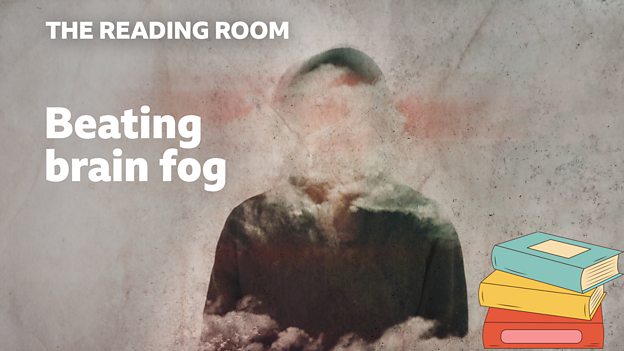
Beating brain fog
Episode 250923 / 23 Sep 2025

(Image: Getty)
___________________________________________________________________
More articles
_________________________________________________________
Hard: Upper intermediate level and above, B2 and above
Introduction
Read the article and answer the questions below. To listen to this article, click here for an audio download.
Read
1 Do you ever wake up with a fuzzy feeling in your head, you can't concentrate on anything, or find your memory just isn't working as it should? You're not alone. 39% of British people said they suffer brain fog on a regular basis in a FutureYou Cambridge study. But why do we get brain fog, and can we do anything to prevent it?
2 The technical word for brain fog is cognitive impairment. When you have it, you can't think as clearly as you normally can – just as if your brain was actually full of fog. Dr Brennan, a neuroscientist and author, says "Brain fog is different to these short-term disruptions, because it is persistent, occurs regularly and can interfere with the quality of your life, your relationships, and your work". The reality is that no-one knows exactly what causes it, though theories include chemical or blood flow changes in the brain, and low-level inflammation. What we do know are factors that make it worse.
3 Fatigue, for example, is a key contributor to brain fog, making it hard to stay focused. This is because sleep deficiency can change activity in some parts of the brain, which means processing and recalling detail becomes harder. Pain and anxiety can also contribute to it – they interfere with cognitive speed because they are distracting. There are also medical conditions that can make it worse, like long Covid or autoimmuneconditions like lupusdisease.
4 So, if you're suffering from brain fog, what can you do to fix it? One thing you can do is avoid ultra-processed foods (UPFs). Dr Megan Rossi, the founder of The Gut Health Doctor, told the BBC that "UPFs are often low in essential nutrients like magnesium, omega-3 fatty acids and iron, all of which are crucial for brain function and mental clarity". Therefore, we should pack our diets with nutrient-rich foods like whole grains, vegetables and healthy fats. Blueberries are particularly rich in polyphenols and have been shown to improve cognitive function and memory in clinical trials. Hydration is also very important.
5 So, if you feel a bit foggy, try to get more sleep and consider making some changes to your diet.
Questions
1. Match the paragraph with the most appropriate heading.
Paragraph 1 ________
Paragraph 2 ________
Paragraph 3 ________
Paragraph 4 ________
Paragraph 5 ________
a. Fix your problem
b. A change in diet
c. The benefits of socialising
d. The possible causes of brain fog
e. What is it?
f. It's not uncommon
2. Choose the correct option based on the content of the article.
1. Globally, over a third of the population have experienced brain fog.
a. True
b. False
c. Not given
2. Scientists know what makes brain fog worse, but not exactly what causes it.
a. True
b. False
c. Not given
3. Why can sleep deficiency contribute to brain fog?
a. Because it is distracting
b. Because it can change brain activity
c. Because it can lead to anxiety
4. What does 'it' refer to in the following sentence? There are also medical conditions that can make it worse.
a. anxiety
b. cognitive speed
c. brain fog
5. Why can blueberries help avoid brain fog?
a. Because they are a type of UPF
b. Because they are hydrating
c. Because they are rich in nutrients that help with brain function
3. Use the words from the list to complete the summary of the article.
If you every suffer from 1) ________, technically called 2) ________, here are some tips to help you out. Make sure you get enough sleep as this will help your brain to process and 3) ________ detail. Also, avoid 4) ________ and make sure your diet is rich in 5) ________.
nutrients
recall
cognitive impairment
autoimmune
ultra-processed food
brain fog
fuzzy
Vocabulary
fuzzy
unclear
brain fog
a condition where you can't think clearly or pay attention
cognitive impairment
have difficulty with some mental activities
sleep deficiency
the state of not getting enough sleep
recall
remember something, and often give a description of it
autoimmune
a condition where the body's immune system attacks healthy tissues and organs
omega-3 fatty acids
a group of healthy fats found in oily fish, nuts and seeds
mental clarity
a clear mind
whole grains
a grain from a cereal place such as wheat or rice which hasn't had anything removed from it
polyphenol
a chemical found in some plants which is good for your health
Answers
1. Match the paragraph with the most appropriate heading.
Paragraph 1 f. It's not uncommon
Paragraph 2 e. What is it?
Paragraph 3 d. The possible causes of brain fog
Paragraph 4 b. A change in diet
Paragraph 5 a. Fix your problem
1. Choose the correct option based on the content of the article.
1. c. Not given. Global statistics aren't mentioned. 39% of British people said they suffer brain fogon a regular basis in a FutureYou Cambridge study.
2. a. True. The reality is that no-one knows exactly what causes it yet. What we do know are factors that make it worse.
3. b.This is because sleepdeficiencycan change activity in some parts of the brain, which means processing and recalling detail becomes harder.
4. c. 'it' refers to brain fog which is mentioned at the beginning of the paragraph. Each sentence in the paragraph then gives an example of a contributor to brain fog.
5. c.Blueberries are particularly rich inpolyphenols and have been shown to improve cognitive function and memory in clinical trials.
2. Use the words from the list to complete the summary of the article.
If you every suffer from brain fog, technically called cognitive impairment, here are some tips to help you out. Make sure you get enough sleep as this will help your brain to process and recall detail. Also, avoid ultra-processed foods and make sure your diet is rich in nutrients.
Next
Listen to the article.
Learn about which food is best for the brain in this 6 Minute English.
The Reading Room ล่าสุด
What happens when your job is just too boring?
Episode 251110 / 10 Nov 2025
Are you suffering from rust out?

What are the chances of an asteroid hitting you?
Episode 251109 / 09 Nov 2025
Practise your reading skills and learn about whether it's possible you could be hit by an asteroid!

Britain celebrates 200-year anniversary of passenger trains
Episode 251108 / 08 Nov 2025
Practise your reading skills and learn about the history of trains in English

Can we trust technology in sport?
Episode 251107 / 07 Nov 2025
Practise your reading skills and learn about how well technology is being used in sport

Life lessons learnt from pocket money
Episode 251106 / 06 Nov 2025
Practise your reading skills and learn about the pros and cons of pocket money in English

Is your dog reading your mind?
Episode 251105 / 05 Nov 2025
Practise your reading skills and learn about pets reading your mind in English

How can restaurants earn a Michelin star?
Episode 251104 / 04 Nov 2025
Practise your reading skills and learn about Michelin stars in English
Is food colouring bad for you?
Episode 251103 / 03 Nov 2025
Practise your reading skills and learn about whether food colouring really is bad for you

Small steps to build long-lasting habits
Episode 251102 / 02 Nov 2025
Practise your reading skills and learn about habits in English

Why some people believe AI is human
Episode 251101 / 01 Nov 2025
Practise your reading skills and learn about how AI can seem human in English
How to make a good apology
Episode 250924 / 24 Sep 2025
Practise your reading skills and learn about the art of a good apology in English
Beating brain fog
Episode 250923 / 23 Sep 2025
Practise your reading skills and learn about brain fog and how to avoid it

The joy of missing out
Episode 250922 / 22 Sep 2025
Practise your reading skills and learn the difference between 'FOMO' and 'JOMO'

Making friends as you age
Episode 250921 / 21 Sep 2025
Practise your reading skills and learn about ways to make friends as you reach adulthood
Morning shower or evening shower: Which is best?
Episode 250920 / 20 Sep 2025
Practise your reading skills and learn about hygiene in English

What can magic teach us about the brain?
Episode 250919 / 19 Sep 2025
Practise your reading skills and learn how illusions can tell us what happens in our brain

Can we create the perfect city soundscape?
Episode 250918 / 18 Sep 2025
Practise your reading skills and learn about city soundscapes

The world's first digital country
Episode 250917 / 17 Sep 2025
Practise your reading skills and learn about a country that is slowly sinking underwater

The benefits of spending money on a good time
Episode 250916 / 16 Sep 2025
Practise your reading skills and learn whether it's better to treat yourself by buying a thing or an experience

How to take control of your emotions
Episode 250915 / 15 Sep 2025
Practise your reading skills and learn about emotion regulation