บทเรียน 13: Welcome to BBC Broadcasting House
Comparatives and superlatives
เลือกบทเรียน
- 1Nice to meet you!
- 2What to wear
- 3Like this, like that
- 4The daily grind
- 5Christmas every day
- 6Great achievers
- 7The Titanic
- 8Travel
- 9The big wedding
- 10Sunny's job hunt
- 11The bucket list
- 12Moving and migration
- 13Welcome to BBC Broadcasting House
- 14New Year, New Project
- 15From Handel to Hendrix
- 16What's the weather like?
- 17The Digital Revolution
- 18A detective story
- 19A place to live
- 20The Cult of Celebrity
- 21Welcome to your new job
- 22Beyond the planets
- 23Great expectations!
- 24Eco-tourism
- 25Moving house
- 26It must be love
- 27Job hunting success... and failure
- 28Speeding into the future
- 29Lost arts
- 30Tales of survival
บทเรียนย่อย 2
Let's find out more about Broadcasting House and focus on the language used to describe the changes that have taken place there (comparative adjectives) and also some of the features that make the building unique (superlative adjectives)
คะแนนจากบทเรียนย่อย 2
0 / 13
- 0 / 5แบบฝึกหัด 1
- 0 / 8แบบฝึกหัด 2
- 0 / 0แบบฝึกหัด 3
- 0 / 0แบบฝึกหัด 4
แบบฝึกหัด 2
Much and more
More about comparatives
อ่านเนื้อหาพร้อมทำแบบฝีกหัด
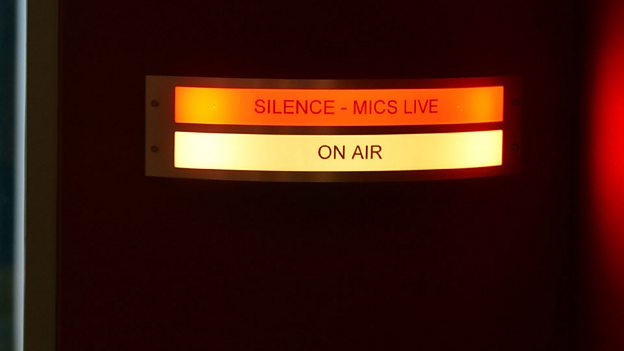
In activity one, we looked at comparative adjectives ending with –er and superlatives ending with –est, but I am sure many of you noticed there were sentences like this in Session One:
- New Broadcasting House now provides the most advanced digital broadcast and production centre in the world.
- It's a more accessible building for the public.
- Broadcasting House is one of the most iconic buildings in the world.
- In the 1960s, the Beatles were the most famous band in the world.
The comparatives and superlatives are different in these sentences. We use ‘more’ before the adjective to make a comparative form and ‘the most’ to make a superlative. Do you know why?
It is because these adjectives have 2 syllables or more and they don’t end in ‘y’. Here are some more examples:
- The new Broadcasting House was the most expensive project in BBC history.
- Having one central location makes the BBC more efficient.
- The new ‘John Peel Wing’ is named after one of the BBC’s most popular presenters.
- The new studios are more comfortable than the old ones.
When we make comparisons, we sometimes also use ‘much’ or ‘a lot’ before the adjective for emphasis. Look at these examples:
- The new building is much nicer than the old one.
- I love this new furniture. It is a lot more comfortable than the old stuff.
- Our studios are much more modern now.
- My office is a lot bigger than before. It’s great!
We do not use ‘much’ or ‘a lot’ with superlatives because they do not need extra emphasis!
Please check out the grammar reference for more examples and explanations.
To do
Do you know when to use ‘–er’ and when to use ‘more’? And how about ‘-est’ and ‘most’? Find out with this multi-choice quiz. Choose the best answer to finish each sentence.
Choosing the right thing to say
8 Questions
Read the sentences below and decide if they are correctly written (RIGHT) or not (WRONG)
ช่วยเหลือ
แบบฝึกหัด
Read the sentences below and decide if they are correctly written (RIGHT) or not (WRONG)
คำใบ้
Check the information in Activity 1 and 2 or the grammar reference if you are not sureช่วยเหลือ
แบบฝึกหัด
Read the sentences below and decide if they are correctly written (RIGHT) or not (WRONG)
คำใบ้
Check the information in Activity 1 and 2 or the grammar reference if you are not sureช่วยเหลือ
แบบฝึกหัด
Read the sentences below and decide if they are correctly written (RIGHT) or not (WRONG)
คำใบ้
Check the information in Activity 1 and 2 or the grammar reference if you are not sureช่วยเหลือ
แบบฝึกหัด
Read the sentences below and decide if they are correctly written (RIGHT) or not (WRONG)
คำใบ้
Check the information in Activity 1 and 2 or the grammar reference if you are not sureช่วยเหลือ
แบบฝึกหัด
Read the sentences below and decide if they are correctly written (RIGHT) or not (WRONG)
คำใบ้
Check the information in Activity 1 and 2 or the grammar reference if you are not sureช่วยเหลือ
แบบฝึกหัด
Read the sentences below and decide if they are correctly written (RIGHT) or not (WRONG)
คำใบ้
Check the information in Activity 1 and 2 or the grammar reference if you are not sureช่วยเหลือ
แบบฝึกหัด
Read the sentences below and decide if they are correctly written (RIGHT) or not (WRONG)
คำใบ้
Check the information in Activity 1 and 2 or the grammar reference if you are not sureช่วยเหลือ
แบบฝึกหัด
Read the sentences below and decide if they are correctly written (RIGHT) or not (WRONG)
คำใบ้
Check the information in Activity 1 and 2 or the grammar reference if you are not sureQuestion 1 of 8
Right
Wrong
Excellent!เยี่ยม!แย่หน่อย!คุณทำคะแนนได้:
Choosing the right thing to say
8 Questions
Read the sentences below and decide if they are correctly written (RIGHT) or not (WRONG)
ช่วยเหลือ
แบบฝึกหัด
Read the sentences below and decide if they are correctly written (RIGHT) or not (WRONG)
คำใบ้
Check the information in Activity 1 and 2 or the grammar reference if you are not sureQuestion 1 of 8
ช่วยเหลือ
แบบฝึกหัด
Read the sentences below and decide if they are correctly written (RIGHT) or not (WRONG)
คำใบ้
Check the information in Activity 1 and 2 or the grammar reference if you are not sureQuestion 2 of 8
ช่วยเหลือ
แบบฝึกหัด
Read the sentences below and decide if they are correctly written (RIGHT) or not (WRONG)
คำใบ้
Check the information in Activity 1 and 2 or the grammar reference if you are not sureQuestion 3 of 8
ช่วยเหลือ
แบบฝึกหัด
Read the sentences below and decide if they are correctly written (RIGHT) or not (WRONG)
คำใบ้
Check the information in Activity 1 and 2 or the grammar reference if you are not sureQuestion 4 of 8
ช่วยเหลือ
แบบฝึกหัด
Read the sentences below and decide if they are correctly written (RIGHT) or not (WRONG)
คำใบ้
Check the information in Activity 1 and 2 or the grammar reference if you are not sureQuestion 5 of 8
ช่วยเหลือ
แบบฝึกหัด
Read the sentences below and decide if they are correctly written (RIGHT) or not (WRONG)
คำใบ้
Check the information in Activity 1 and 2 or the grammar reference if you are not sureQuestion 6 of 8
ช่วยเหลือ
แบบฝึกหัด
Read the sentences below and decide if they are correctly written (RIGHT) or not (WRONG)
คำใบ้
Check the information in Activity 1 and 2 or the grammar reference if you are not sureQuestion 7 of 8
ช่วยเหลือ
แบบฝึกหัด
Read the sentences below and decide if they are correctly written (RIGHT) or not (WRONG)
คำใบ้
Check the information in Activity 1 and 2 or the grammar reference if you are not sureQuestion 8 of 8
Excellent!เยี่ยม!แย่หน่อย!คุณทำคะแนนได้:
Next
We have looked closely at describing changes using comparative and superlative adjectives. In the next activity, we will look at how we compare nouns.
หลักไวยากรณ์จากบทเรียนย่อย
Comparative adjectives tell us how something is different (the original smaller home of the BBC) or how something has changed (It's busier than ever).
In most cases, we add -er to the adjective to form a comparative (large-larger, fast-faster).'If the adjective finishes with a consonant-vowel-consonant pattern (like 'big'), the final consonant is doubled when -er is added (big-bigger, fat-fatter).
If the adjective ends with a consonant + y, we change the y to an i (busy-busier, funny-funnier).
We use 'than' to make a direct comparison with something else (I am taller than my brother.)
Superlative adjectives highlight something that is bigger, better or more than everything else (the largest live newsroom in Europe, the latest technology).
We add –est after the adjective. We also use 'the' before the adjective (fast-the fastest, large-the largest).
If the adjective finishes with a consonant-vowel-consonant pattern (like 'big'), the final consonant is doubled (big-the biggest, fat-the fattest).
If the adjective ends with a consonant + y, we change the y to an i (busy-the busiest, funny-the funniest).
Note - there are always irregular forms in English! This is true for comparative and superlative adjectives as well. Here are some of the common irregular forms:
adjective - comparative - superlative
good - better (than) - (the) bestwell - better (than) - (the) best
bad - worse (than) - (the) worst
ill - worse (than) - (the) worst
far - further (than) - (the) furthest
