
The Reading Room
Intermediate level
Life lessons learnt from pocket money
Episode 251106 / 06 Nov 2025

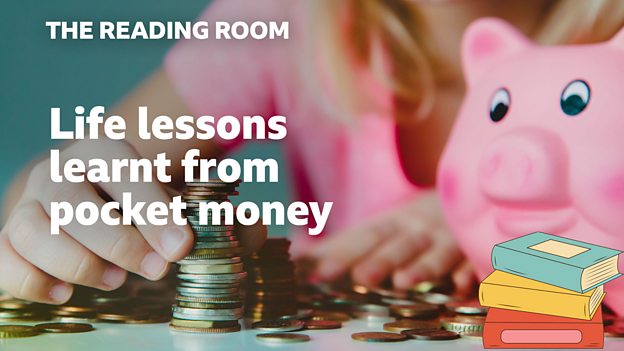
(Image: Getty)
___________________________________________________________________
More articles
_________________________________________________________
Hard: Upper intermediate level and above, B2 and above
Introduction
Read the article and answer the questions below. To listen to this article, click here for an audio download.
Read
1 How much pocket money did you get as a child, if any? Was it a regular, weekly allowance, or just occasional one-off payments for chores? Parents around the world have different ideas about the dos and don'ts of pocket money. How much should parents give? Should they track what their children spend money on? And where is the balance between teaching children valuable life lessons and simply spoiling them?
2 Giving children pocket money offers more than just disposable income – it can provide lessons in financial literacy. One of the first things children can learn is that money is finite – once it is spent, there's no more until the next allowance. This awareness can help children learn how to budget and make good financial decisions. For example, they might spend weeks saving up for something big and exciting, rather than spending small amounts immediately. Making money mistakes while the amounts are relatively small can prepare children for when they start handling larger sums of money as adults.
3 Some parents link pocket money to household chores, teaching kids that hard work and good behaviour is rewarded. Louise Hill is the CEO of GoHenry – a money management service for children. She says that earning through chores encourages financial independence and "ultimately gives much more satisfaction rather than instant gratification". The downside of this, however, is that kids may only help around the house when they receive payment, rather than seeing it as their shared responsibility. In their adolescence, young people may transition to a more lucrative way of earning pocket money – part-time work such as babysitting.
4 Pocket money used to mean exactly that – coins or notes that children could keep in their pocket. And when they're young, seeing physical cash is a good way for them to understand money. But in today's digital world, families are increasingly going cashless. Online money management services are emerging in the market, many of them offering a combination of prepaid debit cards and an app that both child and parent can use to track spending. Some even offer gamified money lessons and the option to set up pots to fulfil savings goals. This modern approach is just another way children can be prepared for adult life, where many transactions are digital.
5 There's no perfect formula when it comes to pocket money, and a lot will depend on family situation and finances. Ultimately, learning to spend wisely, save and even give generously can help children build a healthy relationship with money that can continue into adulthood.
Questions
1. Match the heading to the paragraph.
Paragraph 1 ________
Paragraph 2 ________
Paragraph 3 ________
Paragraph 4 ________
Paragraph 5 ________
a. Saving pocket money
b. Earning pocket money
c. Pocket money teaches generosity
d. Pocket money in the modern world
e. The bigger picture
f. Many factors to consider
2. Choose the correct option based on the content of the article.
1. In paragraph 2, what does 'it' refer to in the following sentence? Giving children pocket money offers more than just disposable income – it can provide lessons in financial literacy.
a. giving children pocket money
b. disposable income
c. pocket money
2. Understanding that money is finite teaches children…
a. how to spend.
b. how to budget.
c. how to be an adult.
3. The author thinks it's bad for children to make mistakes with money.
a. True
b. False
c. Not given
4. What is the disadvantage of paying children for doing chores?
a. They might not help around the house without payment.
b. They might be underpaid.
c. They might get tired.
5. Digital money management services cost money.
a. True
b. False
c. Not given
3. Use the words from the list to complete the summary of the article.
Giving children pocket money can improve their 1) ________. If they want to 2) ________ for an exciting new toy, they must learn how to 3) ________ and only buy the things they need, rather than being tempted by 4) ________. If children want to save up faster, they must do more chores to earn more pocket money from their parents. Once they're older, they can try something more 5) ________ such as babysitting.
save up
financial literacy
instant gratification
allowance
budget
spoil
lucrative
Vocabulary
allowance
some money given as a regular payment to meet needs
one-off
done only once
spoil
treat someone (often a child) too indulgently, sometimes worsening their character
disposable income
money left after all necessities, such as taxes and bills, are paid for
financial literacy
ability to manage money wisely
budget
plan how you are going to spend your money
save up
accumulate your money by not spending it, usually for a purpose
instant gratification
immediate, small reward instead of a larger reward later
lucrative
producing a lot of money
gamified
made into games to make something more interesting
Answers
1. Match the heading to the paragraph.
Paragraph 1 f) Many factors to consider
Paragraph 2 a) Saving pocket money
Paragraph 3 b) Earning pocket money
Paragraph 4 d) Pocket money in the modern world
Paragraph 5 e) The bigger picture
2. Choose the correct option based on the content of the article.
1. a. 'It' refers back to the phrase 'giving children pocket money'.
2. b.This awareness can help children learn how to budget and make good financial decisions.
3. b. False.Making money mistakes while the amounts are relatively small can prepare children for when they start handling larger sums of money as adults.
4. a. The downside of this, however, is that kids may only help around the house when they receive payment, rather than seeing it as their shared responsibility.
5. c.Not given. How much digital money management services cost is not mentioned.
3. Use the words from the list to complete the summary of the article.
Giving children pocket money can improve their financial literacy. If they want to save up for an exciting new toy, they must learn how to budget and only buy the things they need, rather than being tempted by instant gratification. If children want to save up faster, they must do more chores to earn more pocket money from their parents. Once they're older, they can try something more lucrative such as babysitting.
Next
Listen to the article.
What to learn more about money in English? Try our topic page.
최신 The Reading Room

What happens when your job is just too boring?
Episode 251110 / 10 Nov 2025
Are you suffering from rust out?

What are the chances of an asteroid hitting you?
Episode 251109 / 09 Nov 2025
Practise your reading skills and learn about whether it's possible you could be hit by an asteroid!

Britain celebrates 200-year anniversary of passenger trains
Episode 251108 / 08 Nov 2025
Practise your reading skills and learn about the history of trains in English

Can we trust technology in sport?
Episode 251107 / 07 Nov 2025
Practise your reading skills and learn about how well technology is being used in sport
Life lessons learnt from pocket money
Episode 251106 / 06 Nov 2025
Practise your reading skills and learn about the pros and cons of pocket money in English

Is your dog reading your mind?
Episode 251105 / 05 Nov 2025
Practise your reading skills and learn about pets reading your mind in English

How can restaurants earn a Michelin star?
Episode 251104 / 04 Nov 2025
Practise your reading skills and learn about Michelin stars in English
Is food colouring bad for you?
Episode 251103 / 03 Nov 2025
Practise your reading skills and learn about whether food colouring really is bad for you

Small steps to build long-lasting habits
Episode 251102 / 02 Nov 2025
Practise your reading skills and learn about habits in English

Why some people believe AI is human
Episode 251101 / 01 Nov 2025
Practise your reading skills and learn about how AI can seem human in English
How to make a good apology
Episode 250924 / 24 Sep 2025
Practise your reading skills and learn about the art of a good apology in English
Beating brain fog
Episode 250923 / 23 Sep 2025
Practise your reading skills and learn about brain fog and how to avoid it

The joy of missing out
Episode 250922 / 22 Sep 2025
Practise your reading skills and learn the difference between 'FOMO' and 'JOMO'

Making friends as you age
Episode 250921 / 21 Sep 2025
Practise your reading skills and learn about ways to make friends as you reach adulthood
Morning shower or evening shower: Which is best?
Episode 250920 / 20 Sep 2025
Practise your reading skills and learn about hygiene in English
What can magic teach us about the brain?
Episode 250919 / 19 Sep 2025
Practise your reading skills and learn how illusions can tell us what happens in our brain
Can we create the perfect city soundscape?
Episode 250918 / 18 Sep 2025
Practise your reading skills and learn about city soundscapes

The world's first digital country
Episode 250917 / 17 Sep 2025
Practise your reading skills and learn about a country that is slowly sinking underwater
The benefits of spending money on a good time
Episode 250916 / 16 Sep 2025
Practise your reading skills and learn whether it's better to treat yourself by buying a thing or an experience

How to take control of your emotions
Episode 250915 / 15 Sep 2025
Practise your reading skills and learn about emotion regulation