The Reading Room

Intermediate level

Is food colouring bad for you?

Episode 251103 / 03 Nov 2025

(Image: Getty)
___________________________________________________________________

More articles
_________________________________________________________

Hard: Upper intermediate level and above, B2 and above 

Introduction

Read the article and answer the questions below. To listen to this article, click here for an audio download.

Read 

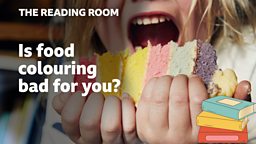
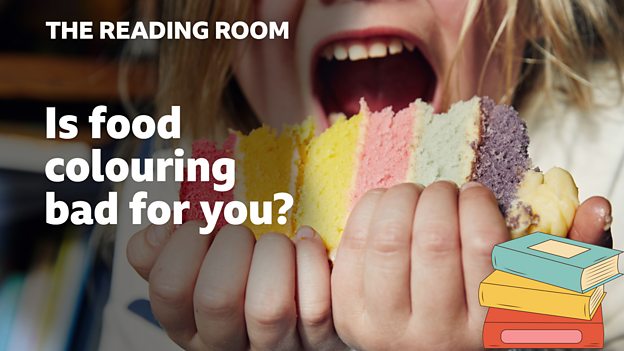
1    Food colouring is difficult to avoid. From bright orange cheesy crisps to frosted cakes, and even peanuts and meat, these additives make food more visually appealing. But for years, people have been worried about their safety and the long-term effects on our bodies. So, just how bad is food colouring, and what are the alternatives?

2    Synthetic food dyes, like Red 40 and Yellow 6, have been linked to hyperactivity and attention problems in children, particularly those in key stages of brain development. Studies show that even small amounts of these dyes, which are commonly found in ultra-processed foods, can affect behaviour. In 2010, the EU began requiring warning labels on products containing specific artificial colourings associated with hyperactivity in children.

3    There are further issues too, such as allergic reactions. Yellow 5 has been shown to produce hives, itching and symptoms typically associated with asthma in some people. It's derived from petroleum and is found in a range of foods, medicine and cosmetics. Red 3 is also problematic – links have been found between the colour and cancer in male rats. This dye is almost completely banned in the UK now, and food manufacturers in the USA have been given until 2027 to modify foods that currently use it in their recipe.

4    So, what can artificial colours be replaced with? There are natural alternatives like beetroot, turmeric, paprika and spirulina. Companies such as Fermentalg based in France are developing natural colourings from microalgae, such as Galdieria sulphuraria, which produces a bright blue pigment. Products using this colour are expected to be on shop shelves in the USA soon, alongside other natural blue dyes like butterfly pea extract and gardenia blue, which have all recently been approved by the Food and Drug Administration in the US. However, replacing synthetic dyes can be challenging because of stability, cost, and colour intensity. Natural dyes tend to be less vivid and have shorter shelf lives.

5    So, it's hard to avoid, but for your health do what you can to minimise unnecessary artificial colours in what you eat, and stick to natural alternatives instead.

Questions

1. Choose the best summary for the article.

a. All food colouring is generally harmful.
b. Natural alternatives are replacing artificial food dyes.
c. Dyes are essential for making food look appetising.

2. Choose the correct option based on the content of the article.

1. The safety of food dyes has recently become a worry for people.

a. True
b. False
c. Not given

2. What products are warning labels required to be on in the EU?

a. Foods that are essential for children's brain development
b. Ultra-processed foods
c. Foods containing colours associated with hyperactivity in children

3. The dye Red 3…

a. can produce allergic reactions, including hives.
b. is banned in the UK.
c. is being removed from food products in the USA.

4. What does 'this colour' refer to in the following sentence? Products using this colour are expected to be on shop shelves in the USA soon.

a. Microalgae
b. Galdieria sulphuraria
c. Butterfly pea extract

5. Why can replacing synthetic dyes with natural ones be a challenge?

a. Because natural dyes are more vivid in colour and don’t last as long
b. Because synthetic dyes have more intense colours and longer shelf lives
c. Because the cost of synthetic dyes is higher than natural alternatives

3. Use the words from the list to complete the summary of the article.

There are numerous 1) ________ dyes out there these days, such as 2) ________ which gives food a yellow colour. A lot of 3) ________ colours have been given 4) _________ in the EU due to their associations with 5) ________ in children and occasionally allergic reactions.

natural
behaviour
hyperactivity
warning lables
turmeric
beetroot
artificial

Vocabulary

frosted cake
a cake with icing on the top

synthetic
made with artificial substances

hyperactivity
a state of having more energy than usual

ultra-processed
prepared using industrial processes; often made with a large number of ingredients you wouldn't use at home

hives
a condition where skin becomes red and raised

ban
forbid something officially

spirulina
a type of blue-green algae that can be dried and used as a food source

pigment
a substance that gives something colour

vivid
brightly coloured

shelf life
the length of time a product, often food, can be kept before it becomes old and unusable

Answers

1. Choose the best summary for the article.

b. Natural alternatives are replacing artificial food dyes. So, what can artificial colours be replacedwith? There are natural alternatives like beetroot, turmeric, paprika and spirulina. Products using this colour are expected to be on shop shelves in the USA soon, alongside other natural blue dyes like butterfly pea extract and gardenia blue, which have all recently been approved by the Food and Drug Administration in the US.

2. Choose the correct option based on the content of the article.

1. b. False. But foryears, people have been worried about their safety and the long-term effects on our body.

2. c. In 2010, the EU began requiring warning labels on products containing specific artificial colourings associated with hyperactivity in children.

3. c. Another problematic colour is Red 3, … and food manufacturers in the USA have been given until 2027 to modify foods that currently use it in their recipe.

4. b. Companies … are developing natural colourings from microalgae, such as Galdieria sulphuraria …Products using this colour are expected to be on shop shelves in the USA soon.

5. b. However, replacing synthetic dyes can be challenging because of stability, cost, and colour intensity. Natural dyes tend to be less vivid and have shorter shelf lives.

2. Use the words from the list to complete the summary of the article.

There are numerous natural dyes out there these days, such as turmeric which gives food a yellow colour. A lot of artificial colours have been given warning labels in the EU due to their associations with hyperactivity in children and occasionally allergic reactions.

Next

Listen to the article.

Learn about which food is best for the brain in this 6 Minute English

Explore the food topic page

Latest The Reading Room