'Parker was perhaps too nice'published at 17:27 BST 5 May
Natalie Bromley
Fan writer

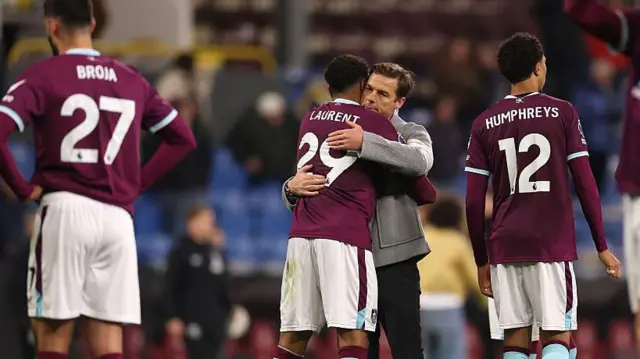 Image source, Getty Images
I watched the wave of player tributes for Scott Parker flooding Instagram last week with interest. The impact that he has had on those players, the relationships he built with them and the role model he has become was clear. There is little doubt that he held that dressing room tightly.
Why, then, did those players not perform on the pitch for him? In so many post-match interviews, Parker talked about disappointment, how plans were not followed and how his players were off the mark as against what they had prepared for.
It seems odd, doesn't it? That such a tight group of individuals could fail so spectacularly in their common goal?
The main takeaway for me is that Parker was perhaps too nice. It is not your job as head coach to be your players' friend, and players need to feel a sense of jeopardy in what they do.
I am not talking about fear or bullying, or the 90s hairdryer treatment - there is no place for that in sport, or in society any more - but managers need to be able to cultivate resilience and regulate emotional responses.
If managers allocate too much of their time and focus on being a friend and mentor, no matter how important that role is, do they then lack the ability to give the hard messages that make those performances improve?
I am starting to suspect that this has been a critical factor in Parker's failures this season – some of the best bosses I have learned from in my career have been those who were not afraid to deliver hard performance reviews, but who I ultimately got the best lessons from.
Mike Jackson now wants these players to use the final three games to develop some confidence and play for the fans.
I am not sure how relevant that is to us, given we will be saying goodbye to most of them soon, so I would rather the club uses the next three games to remember who we are.
A gritty little club in east Lancashire, around since the very beginning of the league, that gets up, shows up and lives for that little old mill town.
Find more from Natalie Bromley at No Nay Never podcast, external