Broadcasting House, Cardiff
BBC Cymru Wales' first purpose-built headquarters
Before Broadcasting House
BBC Wales (5WA) opened on 13 February 1923 with a performance of Dafydd y Garreg Wen (David of the White Rock) by the singer Mostyn Thomas in a tiny studio above a music shop at 19 Castle Street, Cardiff. The BBC expanded rapidly into larger premises in Park Place and various other studios dotted across the City.
A new HQ for Wales
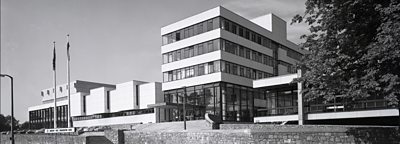
The arrival of television after World War II prompted the BBC to purchase a ten acre site in the grounds of a Victorian villa, Baynton House, in 1952 to house all its operations in the city. However, construction at the Llandaff site was delayed owing to the projected cost, and the fledgling television service in Wales was broadcast instead from the former Broadway Methodist Chapel in Roath from 1959 and was later joined by premises in nearby Stacey Road from 1959.
The design for the new Broadcasting House was drawn up by the Welsh architect Ivan Dale Owen in the Modern style in 1960, and the first phase was constructed between 1963 and 1966.
Broadcasting House in Llandaff, Cardiff was the first BBC Wales building to bring together the Corporation's radio, television, news and other functions into one site. Radio studios were in use by late 1966 and the building was officially opened by HRH Princess Margaret on 1st March 1967, St David's Day.
Phase 2, the construction of television studios at Broadcasting House took place in the 1970s, requiring the demolition of Baynton House in 1975. The grounds also included the original outdoor set for the S4C drama Pobol y Cwm. In 1986 the BBC bought University College Cardiff's School of Home Economics across Llantrisant Road and created a new administration, finance and archive block, renaming it Tŷ Oldfield as a tribute to former controller Alun Oldfield-Davies.
Future
Drama production moved to the newly-constructed Roath Lock Studios in March 2012. Roath Lock has nine studios, three external filming lots and post-production facilities.
BBC Cymru Wales moved out of the Llantrisant Road site in 2019 to their new headquarters at Central Square next to Cardiff Central station. The Llandaff site will be demolished and the site will become housing.
Buildings
Alexandra Palace
The birthplace of television
Broadcasting House
The first purpose-built broadcast centre in the UK
Broadcasting House, Belfast
BBC Northern Ireland's headquarters since 1941
Broadcasting House, Bristol
Former home of the Natural History Unit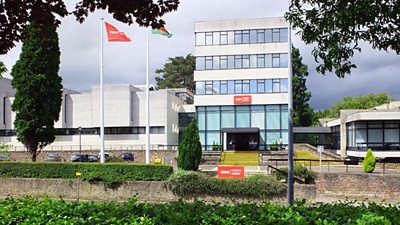
Broadcasting House, Cardiff
The BBC's first bespoke headquarters in Wales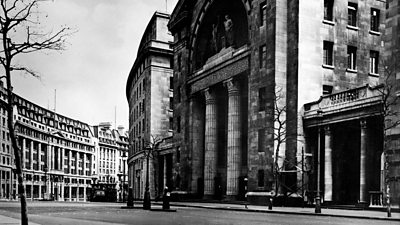
Bush House
Home of the World Service 1940-2012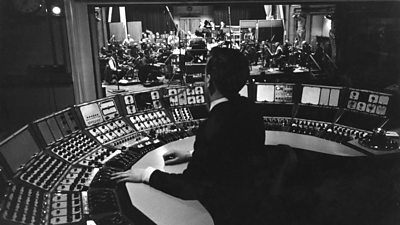
Camden Palace Theatre
Light entertainment and music from North London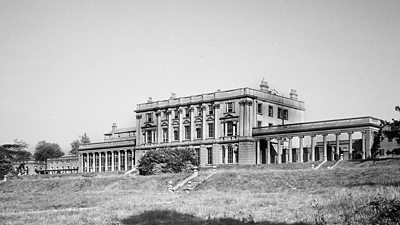
Caversham Park
Listening to the world, 1943 to 2018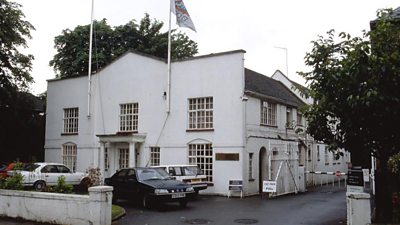
Ealing Studios
The BBC Television Film Studios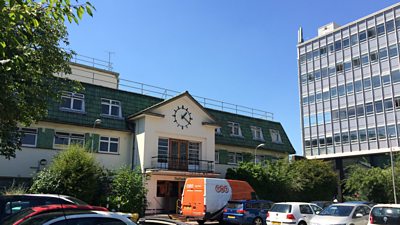
Elstree Studios
Home of EastEnders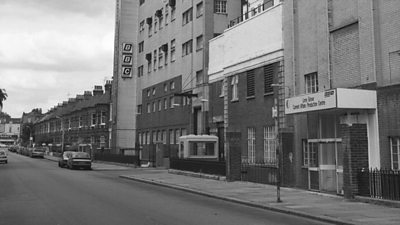
Lime Grove
A temporary measure for 42 years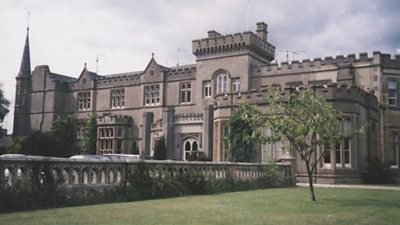
Kingswood Warren
Former home of BBC Research & Development
The Langham
Sustaining the BBC during World War 2 and after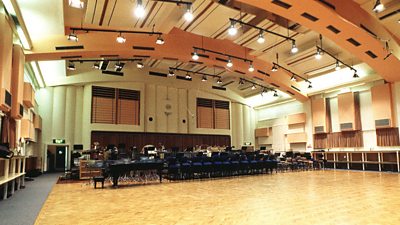
Maida Vale
The best acoustic in London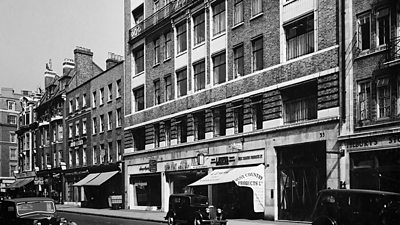
35 Marylebone High Street
The first headquarters of the Radio Times and BBC Radio London.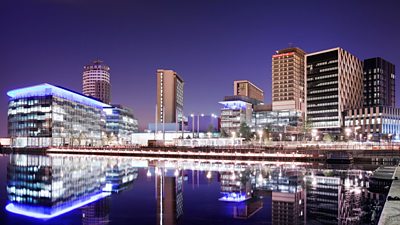
MediaCityUK
The BBC's Northern base in Salford
Pacific Quay
Headquarters of BBC Scotland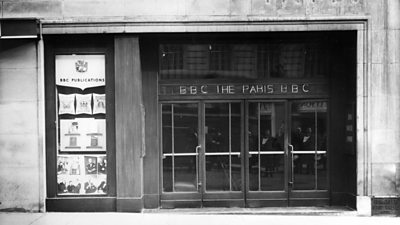
Paris Studios
Former London cinema which hosted The Beatles and Dad's Army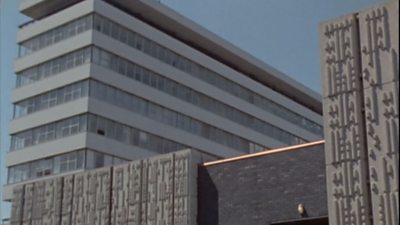
Pebble Mill
A hub for drama, entertainment and factual programmes in Birmingham between 1971 and 2004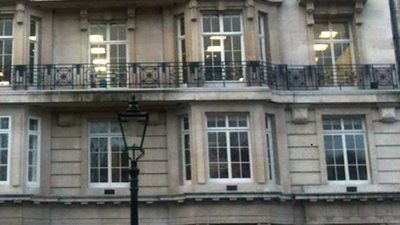
Queen's House, WC2
Centre of English language learning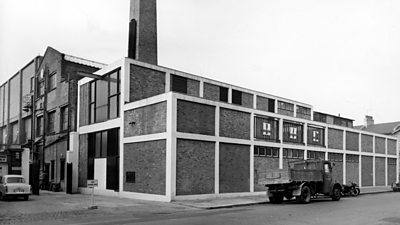
Riverside Studios
A film studio regenerated into a TV studio used by the BBC from 1954 to 1975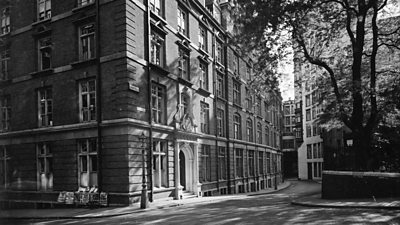
Savoy Hill
The first home of the BBC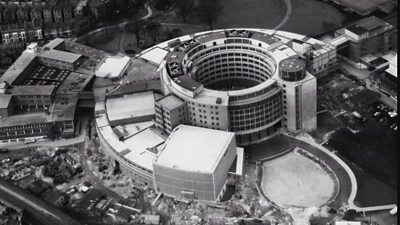
Television Centre
The Television Factory
Television Theatre
A mecca for the stars of the 1960s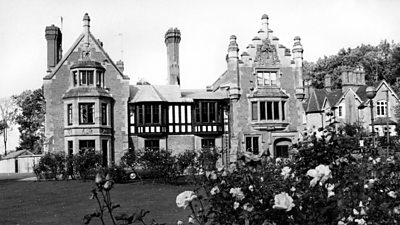
Wood Norton
The emergency broadcasting centre


