Sweet shortcrust pastry
- Prepare
- 30 mins to 1 hour
- Cook
- no cooking required
- Serve
- Makes 400g/14oz pastry
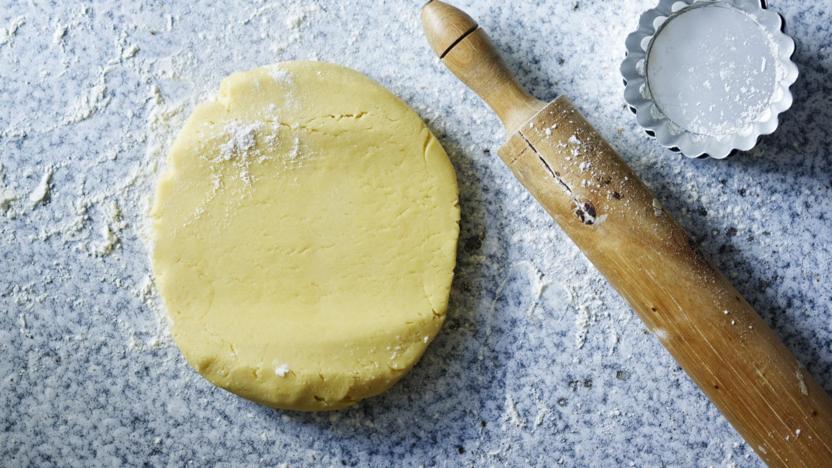
Making your own sweet shortcrust pastry is so satisfying and results in a tastier pie. Give yourself enough time to properly rest and chill the pastry before baking for a perfect result. Use this quantity of pastry to make a 20cm/8in pie with a lid, such as Benjamina's cherry pie, or to line a 23cm/9in tart tin.
Ingredients
- 225g/8oz plain flour, plus extra for dusting
- pinch salt
- 120g/4¼oz fridge-cold butter, cut into 1cm/½in cubes
- 2 tbsp icing sugar
- 1 free-range egg, beaten with 2 tsp very cold water
Method
To make the pastry, put the flour and salt in a food processor and add the butter. Using the pulse function, whizz just until it resembles coarse breadcrumbs (take care not to over process or your pastry will be tough). Alternatively, if you are make the pastry by hand jump to step 3.
Add the icing sugar and briefly pulse again to mix. Add the beaten egg mixture and pulse briefly to mix to a rough dough.
If making the pastry by hand, put the flour into a large bowl. Coarsely grate the butter using a box grater and add to the flour. Coat the butter in the flour by lightly mixing it with your fingers.
Using your fingertips, lightly rub the butter into the flour until it resembles coarse breadcrumbs. Stir in the icing sugar and salt.
Using a table knife, stir in the beaten egg mixture to make a rough dough, then turn out onto a lightly floured board and bring together into a ball.
Tip the pastry out onto the work surface, and using your hands, lightly bring the dough together into a ball. Wrap the dough in cling film or place in a plastic container to chill for about 20–30 minutes (this prevents pastry shrinkage later on).
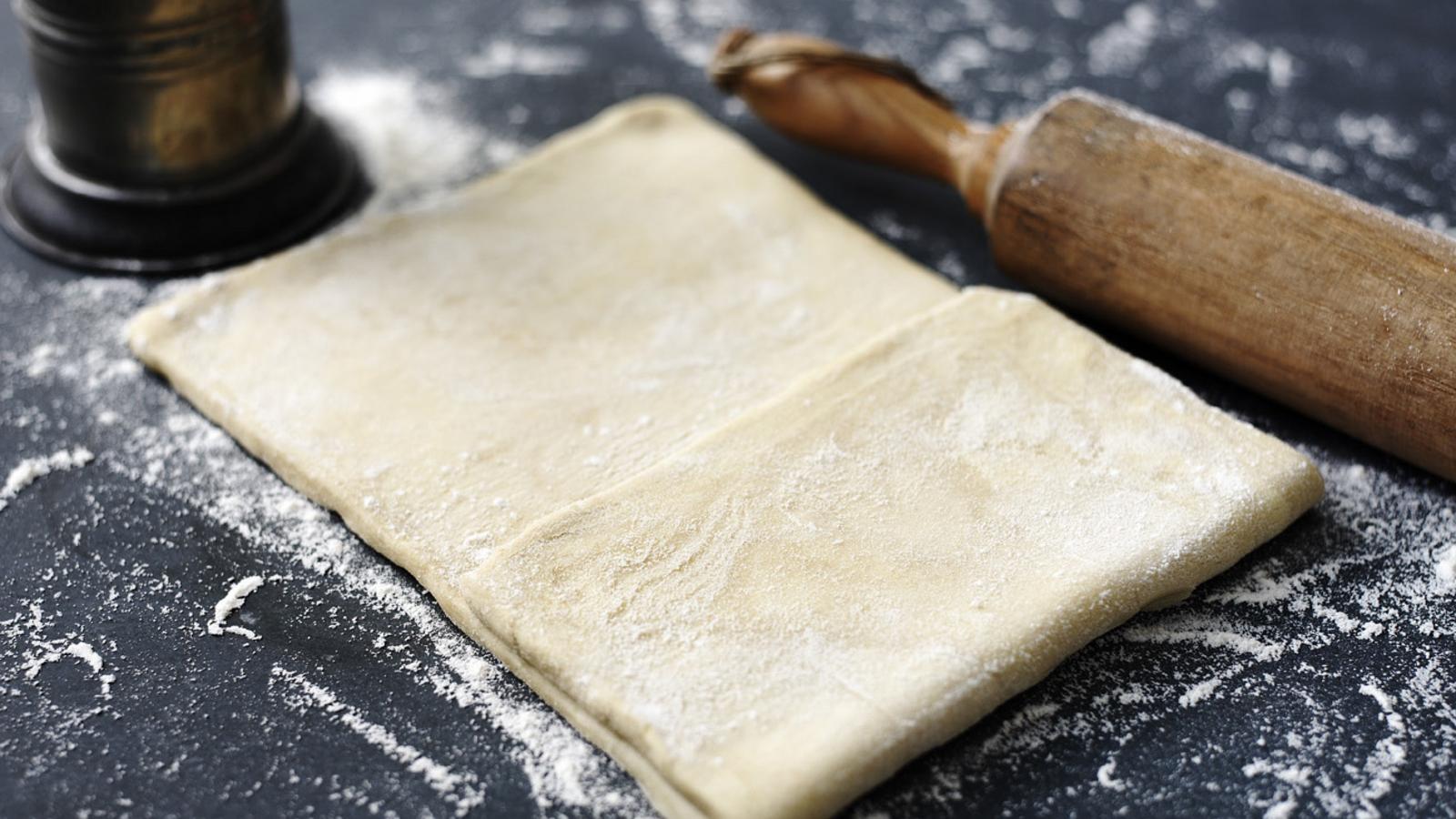
To use the pastry, turn the dough out onto a lightly floured work surface. Gently shape into a ball and roll out into a circle that is about 4mm/⅛in thick. Fold the pastry over the rolling pin and gently unroll it into a pie dish. Trim the edges and, ideally, cover with cling film or foil and chill again for another 20 minutes before filling and baking.
Recipe tips
Using a food processor really speeds up the process of making pastry, but it does come with a risk of overprocessing which will negatively affect the texture of the cooked pastry. If you are new to making pastry, take care to only have the motor running for the absolute minimum time and watch the recipe video so you know what it should look like at each stage.
When making pastry by hand, it's still possible to overwork it, but it's much less likely as it's a more gentle method. Still it's worth keeping everything cold and being careful to only handle to pastry as much as needed. That's why the recipe recommends grating the butter if working by hand, as it's much easier to rub it into the pastry that way.