How this family reduced their plastic waste by three-quarters
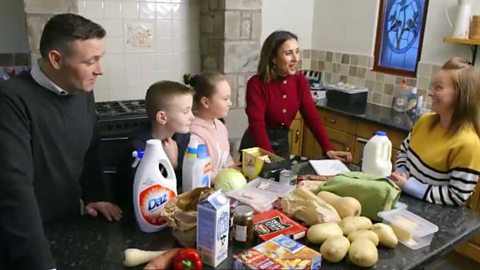
In a bid to reduce their consumption of single-use plastic without spending more on food, the Oliver family answered an advert to feature in BBC One’s War On Plastic: The Fight Goes On, presented by Hugh Fearnley-Whittingstall and Anita Rani.
The family had already reduced the amount they put in their black bin (which goes to landfill). But now they wanted to cut back on their use of recyclable items. So in November 2019, experts from the show looked in their kitchen cupboards and Anita emptied their blue bin (which tended to be filled to the brim) to see what they could do. By the end of the experiment? It was just one-quarter full, and they hadn’t increased their shopping spend.
So how did Sarah, Andrew and their two children do it? And have they maintained the changes during the Covid-19 crisis? We found out…
No more sparkling water or grapes
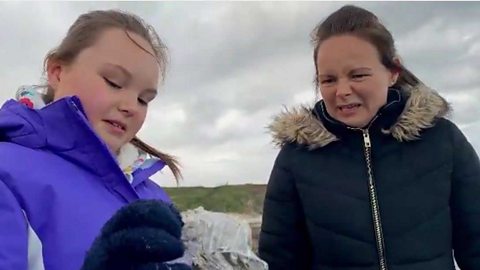
The big one? Plastic bottles of sparkling water. “We live in such a beautiful area, with beautiful beaches, and when you see the likes of plastic bottles on the beach and you know that’s the stuff you use at home, you want to do something about it. We used to have about 20 bottles in that bin every week. I think that’s been the biggest thing”, says Sarah. Rather than buying the water in glass bottles or investing in a device to carbonate tap water at home, they took a simpler approach: “We chilled water in the fridge instead”.
They took empty tubs to the supermarket for meat and cheese from the deli counter (rather than pre-packaged), and bought loose fruit and veg.
They also realised they couldn’t buy some products, including grapes, because they couldn’t find any without plastic packaging.
Homemade snacks, soaps and milk
They replaced some store-bought products with homemade. Some swaps were better than others, says Sarah. “The oat milk was just horrendous. But we also made our own mouthwash and toothpaste, which we still use. The kids loved the snacks we made, so now we make our own popcorn and crisps”.
The family cat wasn’t impressed by homemade cat food, though. “He ate it to start with. And then as usual he turned his nose up at it after the second attempt.”
Their bathroom is now plastic-free, and they’ve swapped soap, shampoo and body wash for bar versions (rather than liquid soaps).
With so many successful swaps, you could be forgiven for thinking the experiment was pretty straightforward. It was anything but. The main problem? They needed to keep to their usual shopping budget.
“We’re working class and at the end of the day the money’s got to last”, says Andrew. “The changes have to be viable for us and the budget has got to match what we were spending before.” Sarah adds: “It took time to work out ways that it could be cost-effective – we couldn’t just switch and do it. There was a LOT of organising to make sure it was affordable.”
They want to take their efforts further, but are restricted by costs. “We still use plastic containers for milk because we find glass bottles too expensive”, says Sarah. They’re also hoping supermarkets will start selling more produce loose. “I would love to take it up a notch, but I don’t think we can until we get help from the supermarkets because we live in a small place. A limited number of shops sell things loose, but it’s all organic and really expensive – that’s not what we can afford. I just want normal loose pasta, rice and breakfast cereals, I want to be able to get that from the supermarkets.”
How Covid-19 changed everything
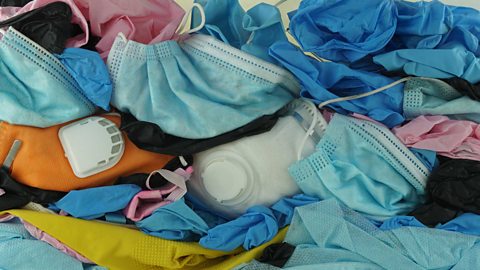
“It was a lot more difficult. Everything to do with reducing plastic seemed to go by the wayside”, says Sarah.
The Olivers were determined not to return to their old ways, though. “We could still make our own products. I could still use my tubs at supermarkets. But then I noticed that everything was wrapped in plastic. I could have cried one day when I went in and all the veg was wrapped. The fruit and veg stall, which is usually on the street twice a week, wasn’t there because they weren’t allowed to sell on the street”, continues Sarah.
Things are slowly returning to normal for the Olivers, but there’s a wider societal concern that the health crisis has set back the fight against single-use plastic.
There are questions from consumers about whether the use of plastic wrappers on food helps protect people from the virus. So far the evidence suggesting it does is limited, and there is a counter-argument that the virus remains for longer on plastic than on cardboard.
Fearnley-Whittingstall is keen to reassure people they don’t need to turn their backs on the fight against single-use plastic. “Obviously everyone’s number one priority right now is to keep themselves and their families safe. But the evidence I’ve seen suggests that using more single-use plastic in our everyday lives doesn’t help us do that.
“We definitely don’t need to wear plastic gloves – in fact they give us a false sense of security. They can just as easily be contaminated as our hands, so it makes much more sense to simply wash our hands. We don’t need to buy those single-use disposable masks (which a lot of people don’t realise are actually made of plastic) – we can buy reusable, washable masks (or make our own).
“It’s no safer to buy fruit and veg wrapped in plastic either. We just need to wash it well when we get it home. It’s understandable that people feel safer when they’ve got a plastic layer between them and the world right now. But outside the world of hospitals and care homes, it doesn’t actually help us live our everyday lives.”
The end result
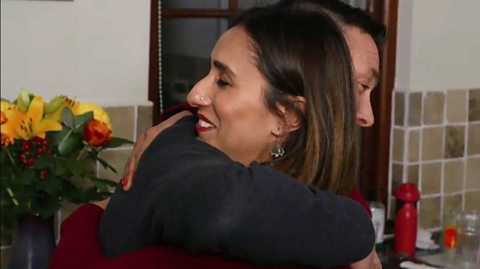
The Olivers have maintained their reduction in plastic waste and are keen to make further changes. “We embraced it because we wanted to change, and needed to change”, says Andrew. “The moment we realised that was when, at the start of the experiment, they emptied our bin. It was embarrassing because we had already done so much to get it down to that amount.”
The children are on-board too. “Even if they’re out and have a bag of crisps, they’ll think, ‘we’ll take the packet home so it can go into the recycling’”, says Sarah.
Sarah and Andrew are also encouraging their colleagues to think more about plastic waste – with Sarah admitting she’s hiding plastic cups at work so people use glasses instead. “I find it quite difficult, people think you’re a tree hugger and you’re not!”, she says, smiling, before adding, “I think until people watch the programme they won’t understand it fully”.
Watch War On Plastic The Fight Goes On on Tuesday, 1 September on BBC One at 9pm, or catch up on BBC One’s iPlayer.
