Can any foods stop a cold?
Should you really starve a fever and feed a cold? Experts delve into the nutrition secrets we all need to know this autumn and winter.
By Claire Spreadbury

We have officially entered cold season with colds, coughs, flu and Covid on the rise.
It’s impossible to avoid germs altogether, but can eating and drinking specific things make you more immune to viruses and, if you do end up with a winter bug, can your diet make it short-lived?
To stay well, going back to basics and living a healthy lifestyle is really important, says Dr Hilary Jones MBE. “Not smoking, not drinking too much alcohol, getting plenty of sleep and avoiding stress.”
There is no scientific way to boost your immunity, warns nutritionist Rhiannon Lambert, author of Learn How to Eat Well for Health and Happiness. “Let’s be clear,” she says, “there is no such thing as an immunity diet. Ultimately, we want a balanced immune system and this requires a balanced diet.”
Experts and studies agree there is no magic prevention or cure for the common cold, but eating healthily can help. And there might be a few specific ingredients worth stocking up on, too.
Busting the myths
When feeling unwell, it can be tempting to try any myths to feel better. But is there any truth in these common beliefs?
Should you feed a cold, starve a fever?
“The idea that eating food may help the body generate warmth during a cold and avoiding food may help it cool down when overheated, is a saying that's been around centuries,” says Lambert.
“The reality is, whether you've got a cold, flu or fever, your immune system needs energy and nutrients to do its job, so eating and getting enough fluids has never been so important. The saying really ought to be ‘feed a cold, feed a fever’.
“Even if you don’t have much of an appetite, you need energy to fight whatever it is that's against you. You don’t have to eat as much as usual, but it’s important to choose nutritious foods to help your body function as optimally as possible. So, if you're feeling run down, try and enjoy a varied, colourful, balanced diet.”
Can garlic ward off a cold?
“Garlic contains a compound called alliin, which has antimicrobial properties,” says dietitian Clare Thornton-Wood. “When garlic is cut or crushed, alliin converts to allicin within 10 minutes. However, it is destroyed by heat, so eating it raw or adding at the end of cooking is best.”
Some small studies have revealed eating garlic can shorten the length of a cold, she adds, (though it’s still believed there’s insufficient evidence) so it’s a good plant to be consuming.
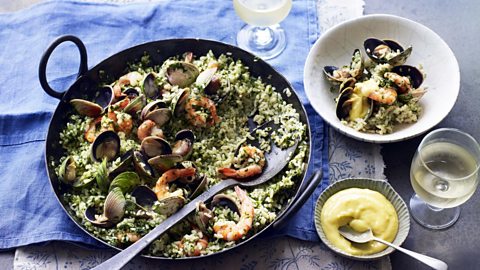
Arroz verde
There are 12 cloves of garlic in this recipe including four that are raw in the aioli
Will sliced potatoes in your socks stop a cold in its tracks?
This sounds ridiculous but it frequently does the rounds on social media. The idea is you put slices of raw potatoes in your socks before going to bed. The theory is that they draw out the toxins from your virus overnight. Apparently the potatoes turn a satisfying grey colour…
Unsurprisingly, the experts are unconvinced. "There is no evidence that potatoes are an effective method of drawing out toxins or helping people get over an illness faster. While participating in the trend is not really harmful or dangerous, experts do not recommend trying it as it won’t offer any benefit," says Lambert.
Thornton-Wood adds, "There's no evidence [to support this]. You're better off eating them as they are a source of vitamin C, fibre, energy and many other nutrients."
Dr Xand's Con or Cure | Add to your iPlayer watchlist now
On this episode Dr Xand discovers whether drinking brandy or whisky on a cold day will warm you up

Should you eat chicken soup when you feel unwell?
“The steam from chicken soup has a decongesting effect, so it gives a temporary relief from symptoms, as well as a general warming effect,” says GP Dr Gareth Patterson, aka TheIrishGP. “It's unlikely to make a difference to the duration or severity of a cold, but if it’s home-made with vegetables, there's a nutritional benefit.”
Chicken soup is often considered a go-to comfort food and for good reason, adds Lambert. “It’s a well-rounded, easily digestible option that’s easy on the stomach.
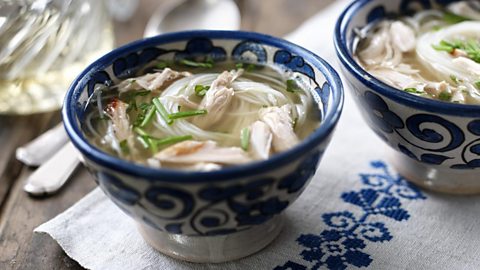
Chicken noodle soup
Chicken soup is often a go-to when we are under the weather
“From a nutritional perspective, chicken soup is a good source of protein, which helps support immune function and tissue repair. The vegetables contribute vitamins, minerals and antioxidants, which are essential for maintaining the body’s defences. And additionally, the broth helps with hydration, which is key when fighting off an illness.”
Can vitamin C prevent colds?
“This is false for prevention, but partially true for severity, says nutritionist Rob Hobson author of Unprocess Your Family Life. “While it won’t stop you from catching a cold, regular intake may slightly reduce its duration.”
Fruity kebabs
Kiwis, strawberries and citrus fruit are all high in vitamin C

Dr Patterson agrees: “There's certainly evidence that vitamin C can be helpful in boosting the body's immune system. Research is limited, but I advise patients to have at least a couple of portions of citrus fruit [or other vitamin c-rich ingredients] a day.”
The disclaimer? You need to have vitamin c regularly, not just increasing it when you’re ill.
Should you avoid dairy if you have a cough or cold?
“This is only relevant for individuals who have a dairy intolerance,” says Dr Patterson.
“It’s a long-held belief that consuming dairy whilst unwell increases the mucus that's secreted in respiratory pathways, but it's not known to actually be the case. It's only in those who would have a sensitivity to dairy, that pre-exists their cold or cough.”
Golden turmeric latte
This turmeric latte can be made with or without dairy milk

Can honey soothe coughs and sore throats?
Various studies have shown honey to be effective in treating symptoms and reducing the duration of illness, says Dr Patterson. “The more natural the honey, the better - and the higher the potency of anti-inflammatory antimicrobial properties, which we believe is helpful with coughs and colds.
Is dark chocolate good for coughs?
“Dark chocolate may help soothe a cough,” notes Lambert, stating there are two reasons for this. “First, like honey, chocolate forms a sticky coating on the throat that can protect irritated nerve endings, reducing the urge to cough. Second, cocoa contains theobromine, an alkaloid substance that has shown promise in studies for suppressing coughs.”
Theobromine has a similar effect to codeine, which is often used in cough medicine, adds Thornton-Wood.
Mexican hot chocolate cookies
With dark chocolate and cayenne pepper, these cookies could give you a warming kick

Can you sweat out a cold with spicy food?
“Chillies contain capsaicin which is what causes the 'heat' or burning sensation,” says Thornton-Wood. “When you eat capsaicin, it stimulates the pain receptors in your tongue - this pain (which we feel as heat) can temporarily block out other pain, such as a sore throat.
“The capsaicin can break down and increase the flow of mucus. This could help if you are very congested, although you might develop a very runny nose.”
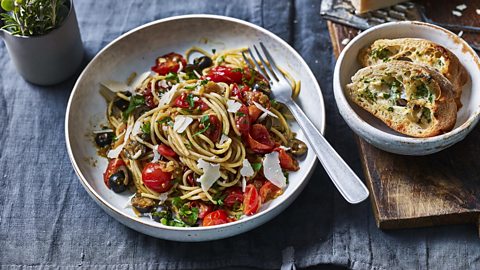
Spaghetti puttanesca
Chilli flakes add a spicy touch to this pasta dish
What foods should you eat to fight colds?
Some foods can help to nurse you back to better health (as part of a balanced diet).
“There is something very comforting about a broth,” says Hobson. “They’re a good way to hydrate, which is important when you have a cold and they are also a good source of cysteine - an amino acid that helps thin mucus, making it easier to expel.
All drinks are hydrating, he continues. “Hot lemon and honey is nice, you’ll get vitamin C from the lemon and a soothing effect from the honey. Ginger is anti-inflammatory and in tea form can help with nausea or general discomfort.”
If you’re struggling to sleep, he recommends tea containing chamomile or valerian – which calms the body at bedtime.Lambert is full of recommendations, too, from vitamin C-packed peppers, tomatoes and berries, to upping your zinc intake.“Often touted as immune boosting, zinc does play an important role, helping our immune cells to do their job in the fight against infection, as well as helping our cells resist infection with viruses that cause the common cold.”
This means there may be a benefit from increasing foods high in zinc – try seafood, nuts and wholegrains - upon the onset of symptoms.
Originally published January 2024. Updated October 2025
Want more? Visit BBC Food on Instagram, Facebook and Pinterest. Want to watch the latest Food TV programmes? Visit BBC iPlayer.