How eliminating food waste affected my diet
Between a fifth and a quarter of food bought by consumers in the UK is wasted, according to sustainable food charity WRAP, with the greatest percentage of this coming from households. Bread, milk, cheese, potatoes, bananas and apples are among the foods most commonly thrown away. So I’m going cold-turkey on food waste to work out if it’s possible to avoid it entirely.
Success is all about planning
A key to reducing food waste is not to buy lots of perishables in one go. I started writing a weekly meal plan a couple of years ago, and I stick to the shopping list. It’s tempting to buy extra reduced-price produce, but unless I can freeze it, I don’t (though I swap things around, like a cauliflower for a broccoli, if something’s out of stock or doesn’t look good). Instead I pop to the shops regularly to top up on fresh veg, which I suspect is easier to do if like me you don’t have children.
I cook for two, and can plan meals around our schedules, although my partner has gone away for much of my trial week so it’s just me. But my colleague, and mum of two boys, Becca, has a different approach to planning. “I shop every two weeks, and try to use mainly tinned and frozen veg in the second week,” she says, but she finds past-their-best bits of veg often get chucked going into the second week.
Friends cooking for families find it trickier to anticipate what’s needed for dinner every night, due to sleepovers, after-school activities, unexpected guests and the unpredictable appetites of their children, and this can lead to food waste.
Make the most of the freezer
Many shops only sell some veg such as carrots, spinach and parsnips pre-bagged, and it can be hard to finish them before they go off. I could buy them frozen, but I don’t think they taste as good. Instead, for my food-waste-free week, I plan meals I can freeze, such as curries, chillis, stews and soups, and batch-cook while it’s fresh.
I started freezing bread after I had mouldy loaves two weeks on the trot. If it’s been sliced, it’s easy to use from frozen: it can go straight in the toaster and you can make sandwiches on frozen bread (this makes butter much easier to spread), then pop it into a lunchbox and leave it to defrost in the fridge overnight.
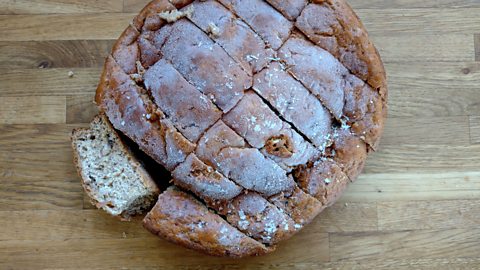
My partner eats bananas, but I’m not a fan. I was left with six of them when he went away. This was poor planning, as we shouldn’t have bought them! The only option was to crack out my favourite banana cake recipe – I had enough bananas to make two! After slicing them thickly, I wrapped them in foil and put them in a freezer container. I defrost a slice (in the microwave or even toaster if I’m really impatient) when I want it. I make banana skin curry with the peels (thanks to Nigella Lawson for the inspiration).
Veg peels and skins
Tucking into a root veg stew, I stumble at the first ingredient, an onion. What do I do with the skin? After a quick internet search, I find it’s edible, so I remove any dirty bits and then blitz it into a powder and add it to the stew with the vegetable stock. You could do the same with garlic skin.
Scrubbed parsnips and sweet potatoes are chopped up without peeling, and added to the pot. I open a couple of tins of chickpea and debate whether draining the water is classed as food waste. What harm could chucking it all in do? After simmering the mixture with stock and spices, I serve two portions and freeze the rest. The result? You’d never guess there’s ground onion skin and chickpea water in it!
Weighing out pasta and rice
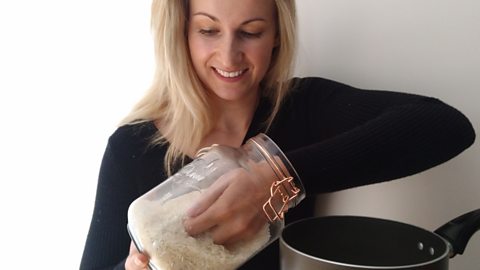
One issue I didn’t have in my food waste-free week was throwing away cooked pasta and rice, a common problem. I used to make too much every time, but then discovered the right amount for me: a handful (50g) of dried rice or two (100g) of dried pasta per person. When I use spaghetti, I weigh it out.
A business plan or two
Making a batch of apple butter for porridge leaves me clueless about what to do with the leftover eight apple cores. Normally, these would go in the food waste, but by boiling in water for 45 minutes, you can make pectin for setting jam. I still had to get rid of the stalks, pips and apple mush left over after straining the mix, but it’s such a small amount I bury it under the apple tree in the garden. Is that cheating? Armed with pectin, it’s time to make jam. I pick a punnet of blackberries and end up with four jars of the sweet stuff. If I go through an apple a day, I could start a business!
Using my leftover coffee grounds, I make a body scrub at the end of the week, mixing it with olive oil. It smells great and works well (fingers crossed it doesn’t block the drain), but I surely can’t scrub my body enough to use up the amount of grounds I create in a week. Business plan number two or a life-time supply for friends and family? I think I’ll stick to adding it to my garden soil.
Kitchen farming
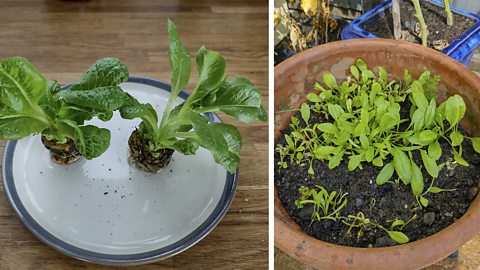
After making lunch, I’m left with the tops of the carrots. Rookie error. I recently discovered you can re-grow spring onions in water, so I decide to try it with the carrots. I put the tops in a shallow saucer of water on the windowsill, and leaves start to grow in just three days. They can be used like a herb and taste, unsurprisingly, like carrots! Revelling in the results, I see what else I can try, and just one week after putting the ends of two Romaine lettuces in water, very small lettuces grow. It’s important to change the water every day when growing the ends, or you can get a gloopy, mouldy mess. If you know what else I can re-grow, tell me on BBC Food socials!
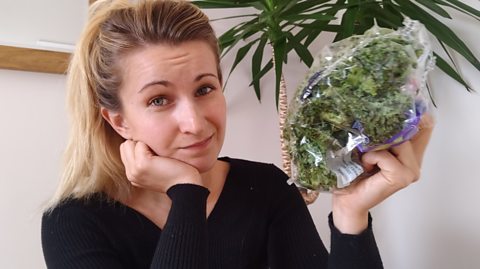
Finding soggy greens, like kale and spinach, at the bottom of the bag is common in my house. Storing them in a food container keeps them fresher for longer, and some chefs recommend using them to make pesto or blanching and then blitzing them with ginger and garlic to make a flavour-bomb paste for soups, stews and stir-fries. I’ve done both of these, but am intrigued when a friend recommends I grow spinach and just pick what I need. I buy a packet of seeds and sprinkle them in a large plant pot. It takes just three days for sprouts to show, and I read online it will only be two weeks before I can harvest.
The result
I have reduced my food waste from roughly a bread bag-size to only the stalk of a butternut squash (which I’ve kept in the freezer to make stock with another time) and seven tea bags, which I’m not going to hang on to. The quality of the meals I created wasn’t affected and I’ve got a supply of jam and coffee scrub for the neighbourhood!
Realistically, unless I make banana skin curry every week and blend all my onion skins, I’ll probably never truly be food waste-free. But if you’re consistently throwing away items, such as milk, bread, cheese and fruit, you may be able to cut your food waste dramatically.
Please don’t eat food or drink that has gone over the use-by date and / or looks or smells off.
Watch this 1-minute animation for great tips for reducing food waste.
This article was first published on 24 September 2021.