The secret to saving £700 a year on your food bill
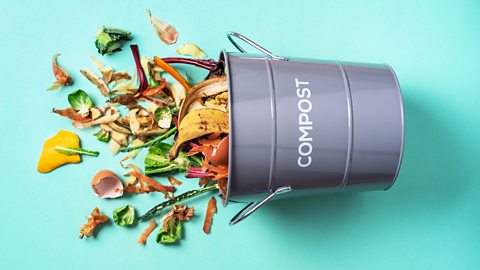
Every year the average UK household throws away £700* worth of food, according to the Waste and Resources Action Programme (WRAP). If food waste were a country, it would be the third largest greenhouse gas emitting country in the world.
“Not only is it better for the planet, you save money when you don’t waste food”, says cook Melissa Hemsley. Here she joins Dr Rupy Aujla, aka the Doctor’s Kitchen, to offer tips and recipes for avoiding food waste and saving cash.
1. Shop for ingredients with a long shelf-life

If you top up your fresh food shop with ingredients that have a long shelf-life, you’re less likely to throw food away. Frozen veg, fruit, fish and meat tends to be cheaper than fresh, and you can use exactly the amount you need for a recipe, leaving the rest in the freezer. Most Brits favour fresh produce over frozen, according to a 2020 YouGov survey, but Dr Rupy aims to win us over with his freezer-friendly recipes. With a bag of frozen spinach, he makes a green veg and feta filo pie, veggie meatballs for pasta and a veggie baked rice.
Root vegetables and veg with a hard skin, such as swede and butternut squash, stay fresh for longer. If you’re new to swede, Dr Rupy’s one-pot chicken with veg is delicious. Sprouting or wrinkling potatoes are the most wasted food in UK homes – but are we needlessly throwing them out? If they’ve gone soft, mushy, wrinkly, cracked, green or mouldy, don’t eat them, but if they’ve just started to sprout little shoots, chop them off and use the potato.
Tinned produce is perfect for cooking on a budget. “What people don’t realise is saving money on food is like getting a pay rise”, says budget cooking queen Jack Monroe, who joins Dr Rupy on his new BBC Food series Thrifty Cooking in the Doctor’s Kitchen. Food waste plays a huge part in how much is spent on food, “I get messages every day saying ‘we’ve cut £100 a week off our food bill because we use your books or because of some tips you’ve given’”, says Jack. Look beyond tinned tomatoes and beans – tinned fruit is brilliant in sweet dishes, such as Dr Rupy’s pear crumple and Jack’s peach traybake cake, and even savoury dishes such as Jack’s kidney bean and pineapple curry.
Dried herbs are inexpensive and work well in stews and soups, and consider swapping cut fresh herbs for potted ones.
Rupy uses frozen spinach in his greens and feta pie
2. Plan flexible meals
Meal planning is key, according to Instagram star and founder of One Pound Meals, Miguel Barclay. “If you buy something and throw half of it away, you’ve got to imagine it costs twice the price”, he says. To avoid waste he recommends batch cooking and flexible recipes, so you can use the veg you have (in the order they go ‘off’) rather than buying new.
Dr Rupy cooks soups, curries, stir-fries, stews and pies that can be altered to use almost any veg (and often meat and grain) you have.
If you end up with veg a little past its best, you can often still use it. Melissa recommends making fritters with any veg that can be grated. Dr Rupy makes a fridge-raid pesto using leftover greens and cheese – if you don’t need the sauce straight away, you can freeze it for later, perhaps to eat with those fritters!
3. Make the most of your freezer
Freezing food stops the growth of bacteria, so is one of the best ways to preserve fresh raw produce and cooked leftovers. You can freeze most fresh veg and fruit – there’s more information here on how to use your freezer better.
Blanch crunchy veg, such as green beans, broccoli or cauliflower, before freezing, by plunging them into boiling water for 2-3 minutes. This helps retain their colour and texture. Peppers can be frozen cooked or raw (though it’s best to chop them up first!). Herbs, ginger and chillies can be frozen and either defrosted or chopped or grated and cooked from frozen.
Freeze fruit, such as berries or sliced bananas, on a baking tray before tipping them into a reusable bag or pot, to stop them freezing in a clump. Use frozen fruit for Rupy’s berry compôte and smoothies. Apples and pears should ideally be cooked before being frozen.
To freeze leftovers, divide into portions and make sure the food is protected from the air with a lidded pot or re-useable freezer bag. Make sure you add a label saying what the food is and when it was made.
Bread is the second most wasted food in UK households, but stale bread has a place in many dishes and is perfect for breadcrumbs. Bread can be toasted from frozen, and you can even make sandwiches and leave them to defrost overnight (it makes spreading butter easier too!).
In theory, food can be frozen indefinitely without going ‘off’. However, the texture and taste can be affected with time, and fats can go rancid. Check our list to see how long you can freeze foods for.
4. Get maximum flavour from your ingredients
There are lots of ways to bring out the flavour in your food so you waste less and don’t need to use as many seasonings. Dr Rupy roasts a whole chicken on a high heat for 15 minutes to create a crispy crust before stirring grains and vegetables into the juices and roasting at a lower temperature. Cooking this one-pot with the lid on means juices from the meat, which would be lost through evaporation in a tray, mingle with the grains and veg.
Cooking vegetables, such as onions, carrots, parsnips and mushrooms, over a high heat in a little oil caramelises their natural sugars. Dr Rupy cooks mushrooms until golden-brown, adding a rich flavour to his creamy pasta.
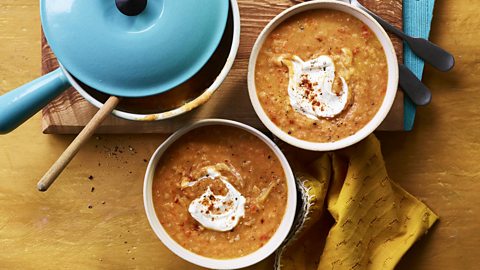
Spices come alive when they’re toasted in a dry pan or sizzled for a moment in a little oil before adding other ingredients, like in Dr Rupy’s Mulligatawny soup and chickpea curry.
5. Make the most of ends of veg
“Avoid peeling vegetables, if you can”, says Dr Rupy, as nutrients are concentrated in the peel. But discarded bits of veg don’t need to go to waste. Melissa recommends keeping a stock bag in the freezer, and popping in any bits of veg that aren’t going into a meal to make veggie stock. It will freeze well, ready to use in curries, soups and stews. Vegan cooks BOSH recommend making a vegan ‘bacon’ with any sweet potato peelings – fry with “soy sauce and some maple syrup” for a tasty treat, they suggest.
For information on how to avoid wasting various ingredients click here.
* Figures from sustainability not-for-profit WRAP’s Courtauld Commitment 2025 Milestone Progress Report.