
The Rhodes Less Travelled
I saw two films this week that portrayed regime changes in rock and roll. The first was 'Charlie Is My Darling' the documentary of the Rolling Stones in Ireland, 1965. It was the vision of a band getting assertive and cool, appreciating their power to mess with old-fangled society. The footage of them lashing out 'Satisfaction' while a priest stands rigid in the middle of a feverish crowd was a powerful metaphor for the age.
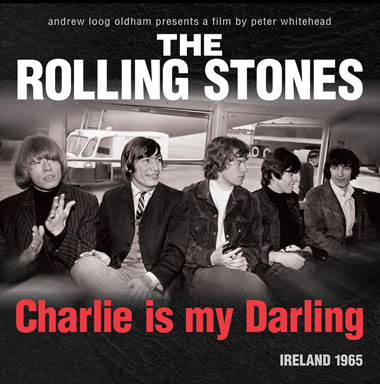
The Stones were larking around plenty, and so was their manager, Andrew Loog Oldham. But there was a more subtle story in there also. Mick Jagger and Keith Richards were a powerful double act, playing off each other's sympathies and rival energies. Already, they were voicing the bold themes of the baby boomers.
However, the ghost figure in all this was Brian Jones. He was arguably the founder of the Stones, originally the sharpest practitioner of the blues and a glowering influence on their bad boy allure. In 1965 he still had the aura, the musical chops, the hair and the cheekbones.
But presently, Keith would steal his girl and his modus operandi. Brian had four miserable years before ejection and then drowning wrote him out of the script. In this film, the invisibility is already starting to settle.
Two days later and was at the QFT in Belfast, watching 'The Rise And Fall Of The Clash'. Directed by Danny Garcia, this was a more conscious study of a band in uproar. Once the core loyalty had gone and the heroin-dependent drummer had been evicted, The Clash and their gang mentality were effectively busted. The drama was hastened by success in America and the return of their old manager, Bernie Rhodes.
The latter claimed to have instigated punk in association with Malcolm McLaren, provocateur with the Sex Pistols. Bernie had pressed the band to be more political and abrasive, but he was also a crass manipulator in the tradition of Tin Pan Alley operators like Larry Parnes.
The final stages of the film are depressingly downbeat, as founder guitarist Mick Jones is isolated and then removed. This leads to The Clash II, a lightweight exercise with Bernie co-writing the songs while the band's reputation slumps. This part of the story is normally
treated as a brief interlude, but Danny Garcia fixates on the pettiness and the moral decline of this era. It's also an opportunity to see how once-famous rockers deal with decline - lost in post-traumatic stress, regret and abuse. Not exactly pretty to watch, but time that particular tale was told.

Comments Post your comment