Volunteering for the #brumvotes Challenge

Talisha Johnson
Broadcast Assistant Trainee, BBC West Midlands
Talisha Johnson is a broadcast assistant trainee working at Radio WM who volunteered on a creative workshop for young voters.
“It was such a fulfilling experience working with the BBC Outreach team running the #brumvotes challenge at The Drum Arts Centre in Aston.
This unique workshop created a platform for Birmingham’s young voices to talk about issues that matter to them in their community.
The evening kicked off with an animated introduction by Radio WM presenters Sunny and Shay who posed the question: ‘What does politics mean to you?’
Many hands flew up in the air followed by answers such as ‘White men in suits’, ‘People who make promises but never keep them.’ and ‘Problems that never get solved.’ Like me, many of my peers seemed to paint negative portrayals surrounding politicians and the general election.
It’s not really a matter of choice whether I like it or not, I have to know about it. In fact, we all do.
In groups the young people were then asked to explore their personal views of the general election, single issues they wanted to see changed and how politicians can engage with them. Going around the room, I heard the same issues being highlighted; tuition fees, cost of travel and one young woman mentioned the lack of youth clubs for young people to access. She went on to say that youth clubs are an opportunity to engage with them positively and teach them life skills that they do not necessarily learn in school.
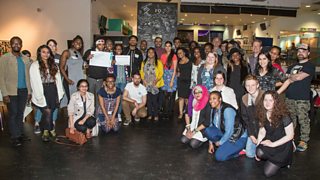
The #brumvotes gathering
I know it’s in my job description to be impartial, but for a moment I couldn’t help but sit there and relate. As a born and bred Brummie I have watched young people in my city constantly being targeted by the media with stigmas and labels.
In reality, it’s not that we are rebellious, incompetent or unable to comply with society. We are just never given the chance to be heard. The workshop showed that in order to engage with us, politicians need to be relatable.
We may be ordinary people, but we have EXTRAordinary potential to make effective social change in our community and even the world. I think Jade Richards summed up my point perfectly as she graced the stage with a spoken word piece that had the room in awe. She made it clear that in order to win her vote ‘it would help if politicians spoke to us in a language we can actually understand, because I’m still trying to figure out the meaning of austerity and deficit.’
After listing the various issues that concerned them, the groups were then asked to put together a pitch for a programme on how they aim to solve them. The programme title they used was ‘If you want my vote…’
25 minutes of intense team work, discussion and debate went by before they were asked to stop. It was pitching time. Amongst the judging panel sat BBC Editor Gareth Roberts, BBC Presenter Nikki Tapper, BBC Broadcast Journalist Noel Phillips and Birmingham’s finest spoken word artists Deci4Life and Jade Richards.
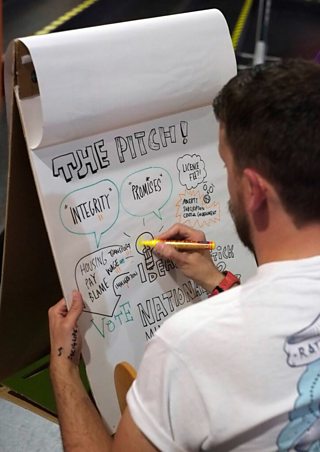
working on a #brumvotes pitch
All the pitches were fantastic and after what looked like a deep deliberation, the panel came to a decision. The winners of the Brum Votes Challenge Pitch 2015 went to…”Welcome To The Real Birmingham”. I have to admit this campaign was both original and creative and consisted of making a TV programme where MPs live out the lives of young people in Birmingham. Now this I would definitely like to see…Whilst eating popcorn of course!
Overall, the success of the event certainly put a smile on my face. The participation and positive vibes from the young people were living proof that by giving them a say they can feel socially included and respected. After the event, one young person said to me “The sad thing about this is, if it wasn’t for you I would have never known about this event. How else do we find out what the BBC are doing for us young people?”
From this statement alone, it reinforces that young people are not ‘hard to reach’ we are in fact ‘easy to miss’.”
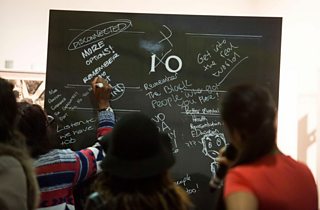
A message to Number 10
*BBC Outreach & Corporate Responsibility brings the BBC closer to its audiences - particularly those audiences we have identified as harder to reach - with face-to-face activity, community support and staff volunteering.
