

Further VAT rise was considered
- 26 Nov 08, 10:35 AM
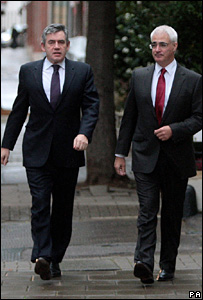
The Treasury's plan to increase VAT to 18.5% was dropped as late as last Friday. It followed what I'm told was a lively debate between Gordon Brown and Alistair Darling although both sides insist there was no row.
 The Whitehall line is that this reflects the sort of choice that governments have to face all the time.
The case for a VAT rise was that it would increase the stimulus effect of a temporary cut in VAT as shops can say "buy now before VAT soars". As it is not a tax on income it would have no disincentive effect and would not encourage the wealthy to move abroad. However, since it is a regressive tax - the poor spend a greater proportion of their income than the rich - it would not fit into Labour's "fairness" agenda. It was, after all, Margaret Thatcher's policy in 1979 to cut income tax and raise VAT.
The arguments for a new top rate of income tax and rise in NICs will have been that it highlighted the choice between the parties. What's more it's not as politically risky as it once was since there's public anger with rich bankers, traders and the like. It's also less economically risky since other countries - the USA, for example - are planning to put up taxes on the rich. The downside, of course, was that it would allow the Tories to say that it was the thin end of the taxation wedge and to claim that New Labour is dead.
Historians will enjoy looking hard at this. They will be fascinated at the light it shines on Gordon Brown's last minute decision making.
However, the story has further to go today.
I have been told by one apparently well informed source that the Treasury were considering a further VAT rise to 20% in 2012.
The question all this raises is - did the Treasury want to promise to raise more tax than was announced in the PBR in order to look credible? Remember that each 1% of VAT raises around £5bn.
Did Gordon Brown fear that this would frighten consumers and voters - undermining the effect of the fiscal stimulus and also, of course, Labour's re-election chances?
In the summer, before the banking crisis worsened, some in Whitehall talked of their hopes that Alistair Darling would become a chancellor like Roy Jenkins or Ken Clarke. In other words someone prepared to raise taxes for the good of the country even if it damaged their party. Indeed, Mr Darling spoke of his desire to be open and transparent with the voters. To be fair to him the PBR did spell out both the scale of the budgetary problem Britain faces and some pretty uncomfortable medicine too.
But did he originally plan to go further?


