

Extraordinary
- 7 Nov 08, 09:53 AM
Just a few long weeks ago when the Labour Party was gathering for its conference all agreed that the Glenrothes by-election was already lost and many felt that this might prove to be the trigger for a full blooded leadership coup. That, it was argued, was why voting should take place in the week of the American election so that bad news could be quickly forgotten if not actually buried.
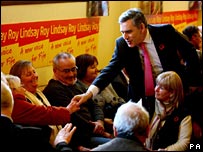 Even yesterday, on the day of voting, Labour MPs were convinced they'd lost and the SNP did nothing to downgrade expectations of the political earthquake which Alex Salmond had once predicted.
Gordon Brown has re-written the textbooks for leaders in crisis. It was never before thought helpful for leaders in trouble to organise a global economic crisis.
The question today is how much this was a local rather than a national election?
Gordon Brown isn't just the MP for the neighbouring constituency. He was born and bred a Fifer - a citizen of the Kingdom of Fife. Labour's candidate was the highly respected and well known head teacher of his old school. His wife Sarah regularly popped in to campaign from their home four miles down the road.
The SNP were the incumbents. They ran both the council and the Scottish government and, although this was a Westminster election, Labour successfully turned this into a referendum on the SNP's performance - their local spending squeeze and their national promise made in headier times that an independent Scotland could join an "arc of prosperity" with, er, Iceland.
The economic downturn - which has led news bulletins for weeks - has yet to be felt by many in Fife. There's anxiety about job losses at the nearby Rosyth dockyard and fears that they'll soon follow in the banking sector, but when I spent two days there last week I could not find local examples of economic gloom. That is why the SNP campaigned not on the looming recession but on the soaring cost of fuel bills.
Nevertheless, none of this would have mattered a jot if Labour voters had felt ashamed of their government and embarrassed by their leader. In Glasgow East, in the aftermath of the 10p tax fiasco, many felt both. In Glenrothes it's clear that many did not.
None of it would have been possible if Alex Salmond's long honeymoon with the electorate had not ended (you can read much more about that on the blog of the BBC's political editor in Scotland, Brian Taylor).
Now, of course we should remember that this was always a safe Labour seat. Of course, we should note that there was still a swing away from Labour. Of course, we can observe that the party could not run this sort of campaign in a general election.
However, what matters in politics is momentum and narrative. This was scheduled to have been the week when the voters of Glenrothes declared "It's time for a change". Instead, by casting what politicians like to call "real votes in real ballot boxes" they have confirmed that the Brown bounce is real.


